fbpixel
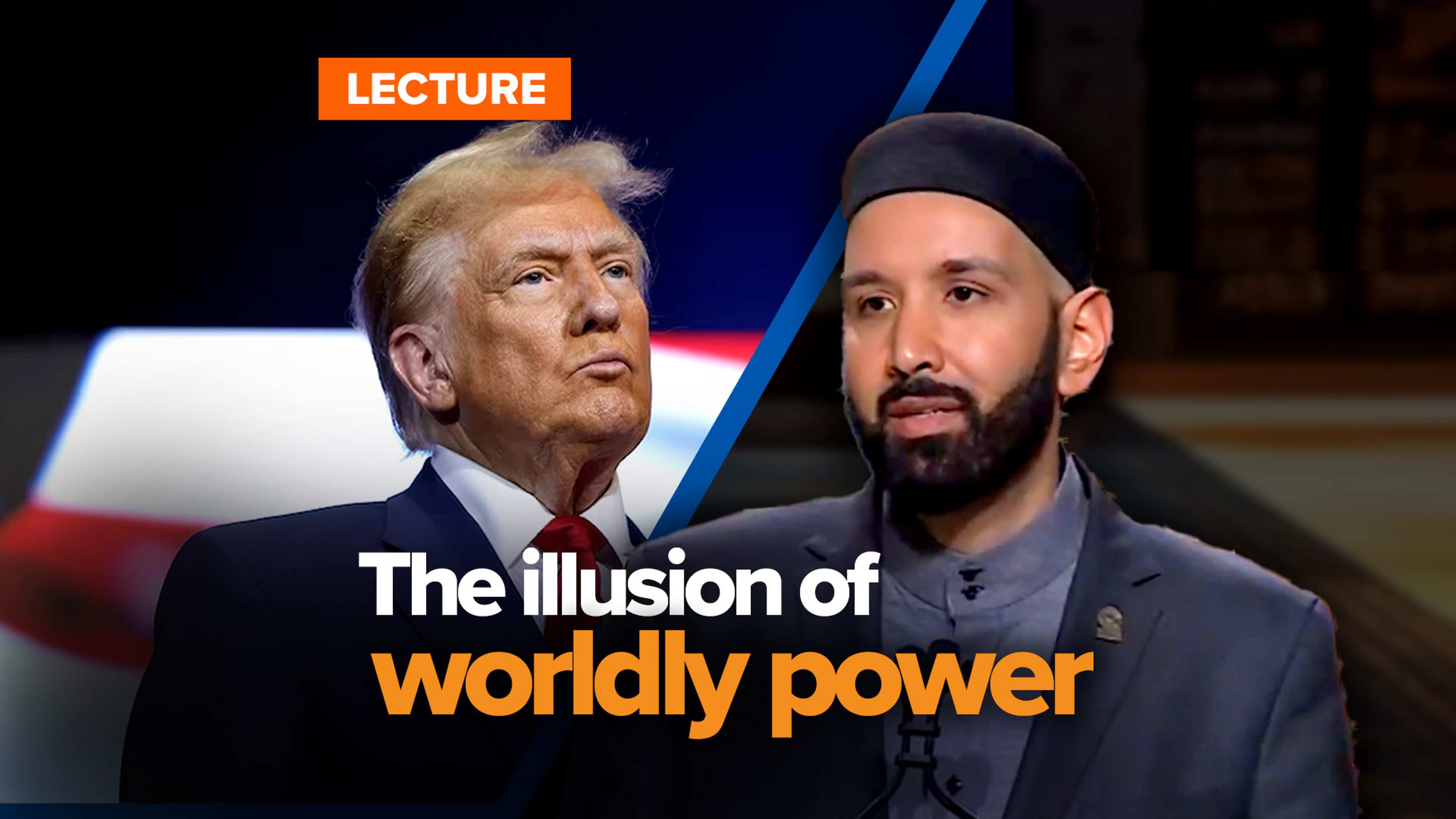
Finding Resilience Beyond the Illusion of Power | Lecture by Dr. Omar Suleiman
Is Islam to Blame for ISIS?
Is Islam to Blame for ISIS?

Islam’s Take on Modernity and Progress
Islam’s Take on Modernity and Progress

Prophet Muhammad - The Epitome Of Mercy
Prophet Muhammad - The Epitome Of Mercy

Cultivating Conviction (Yaqeen) - Mohammad Elshinawy
Cultivating Conviction (Yaqeen) - Mohammad Elshinawy

Why Some American Muslim Youth Are Doubting Their Faith
Why Some American Muslim Youth Are Doubting Their Faith

Rise up to Reclaim Our Narrative #SupportYaqeen
Rise up to Reclaim Our Narrative #SupportYaqeen

How Prophet Muhammad (PBUH) Dealt With His Enemies - Sh Omar Suleiman
How Prophet Muhammad (PBUH) Dealt With His Enemies - Sh Omar Suleiman

Dr. Jonathan Brown - How to Approach Hadith - Verifying and Understanding Hadith
Dr. Jonathan Brown - How to Approach Hadith - Verifying and Understanding Hadith

Religious Minorities Under Islamic Rule - Tesneem Alkiek

Religious Minorities Under Islamic Rule - Tesneem Alkiek

Reviving a Lost Sunnah: Adoption and Foster Care in Islam
Reviving a Lost Sunnah: Adoption and Foster Care in Islam

Reclaiming the Narrative About Our Prophet ﷺ | Part 1
Reclaiming the Narrative About Our Prophet ﷺ | Part 1

Reclaiming the Narrative About Our Prophet ﷺ | Part 2
Reclaiming the Narrative About Our Prophet ﷺ | Part 2

Why Do Innocent People Suffer? - Sh Omar Suleiman
Why Do Innocent People Suffer? - Sh Omar Suleiman

Repentance in Islam, Tawbah A Cornerstone of Faith - Roohi Tahir | 16th MAS-ICNA Convention
Repentance in Islam, Tawbah A Cornerstone of Faith - Roohi Tahir | 16th MAS-ICNA Convention

Dealing with Isolation: Learning from Islam’s Original Converts - Omar Suleiman | Lecture
Dealing with Isolation: Learning from Islam’s Original Converts - Omar Suleiman | Lecture

Does Islam Need Saving? An Analysis of Human Rights | Nour Soubani | 16th MAS-ICNA Convention
Does Islam Need Saving? An Analysis of Human Rights | Nour Soubani | 16th MAS-ICNA Convention

Islam, A Coherent Social Justice Tradition | Omar Suleiman | 16th MAS-ICNA Convention
Islam, A Coherent Social Justice Tradition | Omar Suleiman | 16th MAS-ICNA Convention

The Pursuit of Certainty - Sh. Yaser Birjas | Lecture
The Pursuit of Certainty - Sh. Yaser Birjas | Lecture

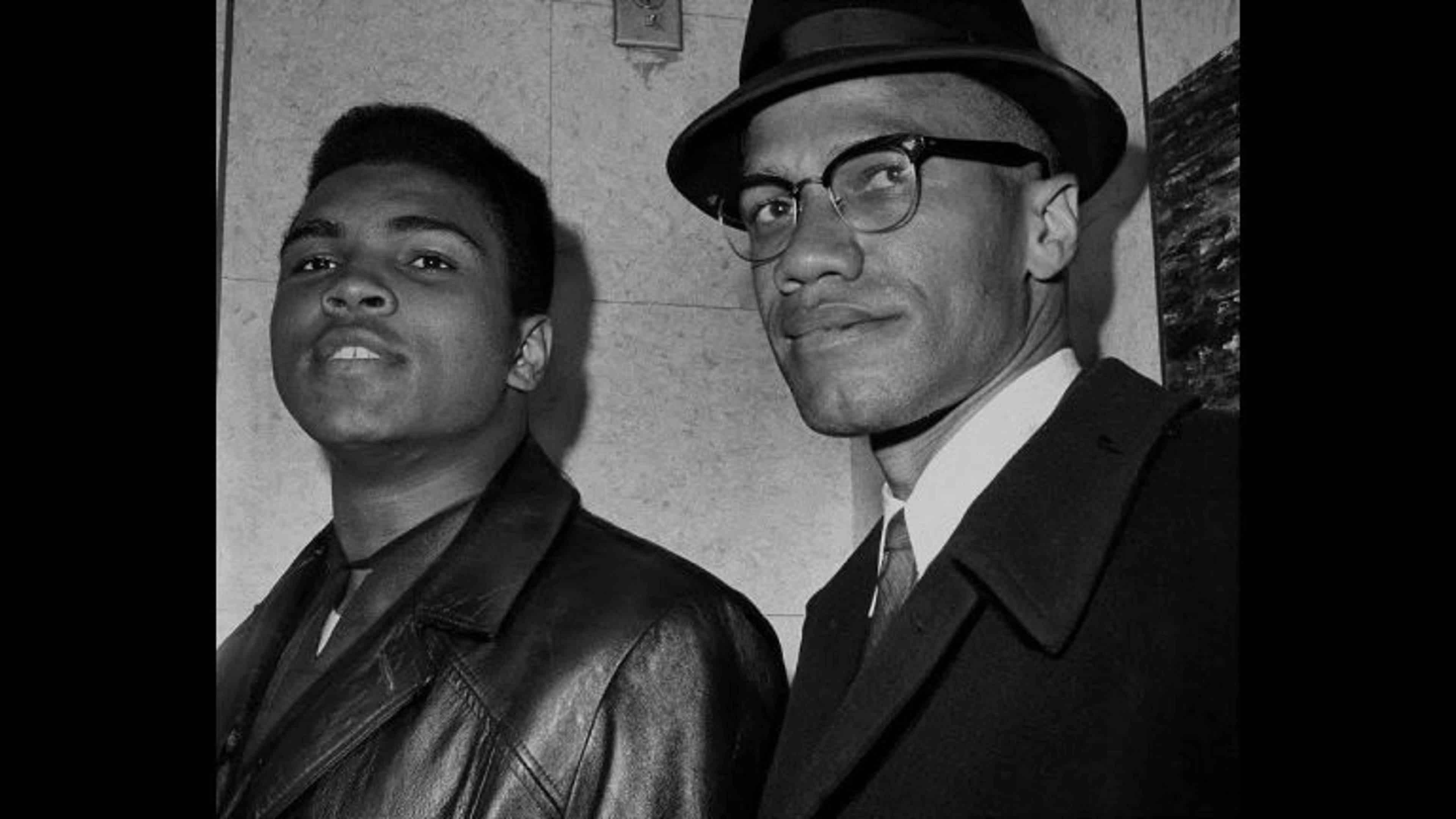
Seeds of Greatness: Malcolm X and Muhammad Ali
Seeds of Greatness: Malcolm X and Muhammad Ali

Atheism: Doubting Your Doubts - Asadullah Ali | Yaqeen in NY
Atheism: Doubting Your Doubts - Asadullah Ali | Yaqeen in NY

The Infinitely Merciful and the Question of Hellfire - Mohammad Elshinawy | YM Youth Conference 2017
The Infinitely Merciful and the Question of Hellfire - Mohammad Elshinawy | YM Youth Conference 2017

Appreciating Scholarship: Intro to Islamic Law - Tesneem Alkiek | Yaqeen in NY
Appreciating Scholarship: Intro to Islamic Law - Tesneem Alkiek | Yaqeen in NY

Station of Certainty | Lecture
Station of Certainty | Lecture

Personal Accountability in Life and Faith - Sh. Mohammad Elshinawy | Lecture
Personal Accountability in Life and Faith - Sh. Mohammad Elshinawy | Lecture

How Yaqeen Works to Educate the Public - Dr. Jonathan A.C. Brown | Making Principled Progress
How Yaqeen Works to Educate the Public - Dr. Jonathan A.C. Brown | Making Principled Progress

How Yaqeen Heals Internalized Islamophobia - Dalia Mogahed | Making Principled Progress
How Yaqeen Heals Internalized Islamophobia - Dalia Mogahed | Making Principled Progress

Contextualizing the Life and Mission of Jesus | Lecture
Contextualizing the Life and Mission of Jesus | Lecture

An Imam & A Pastor in Conversation on Loving Jesus
An Imam & A Pastor in Conversation on Loving Jesus

How Yaqeen is a Resource for Our Community - Sh. Omar Suleiman | Making Principled Progress
How Yaqeen is a Resource for Our Community - Sh. Omar Suleiman | Making Principled Progress

Conversations at The Carter Center: Harmonizing Religion and Human Rights
Conversations at The Carter Center: Harmonizing Religion and Human Rights

Meaningful Solidarity - Sh. Omar Suleiman | Lecture
Meaningful Solidarity - Sh. Omar Suleiman | Lecture

Combating Islamophobia with Marketing and Design | #SXSW19
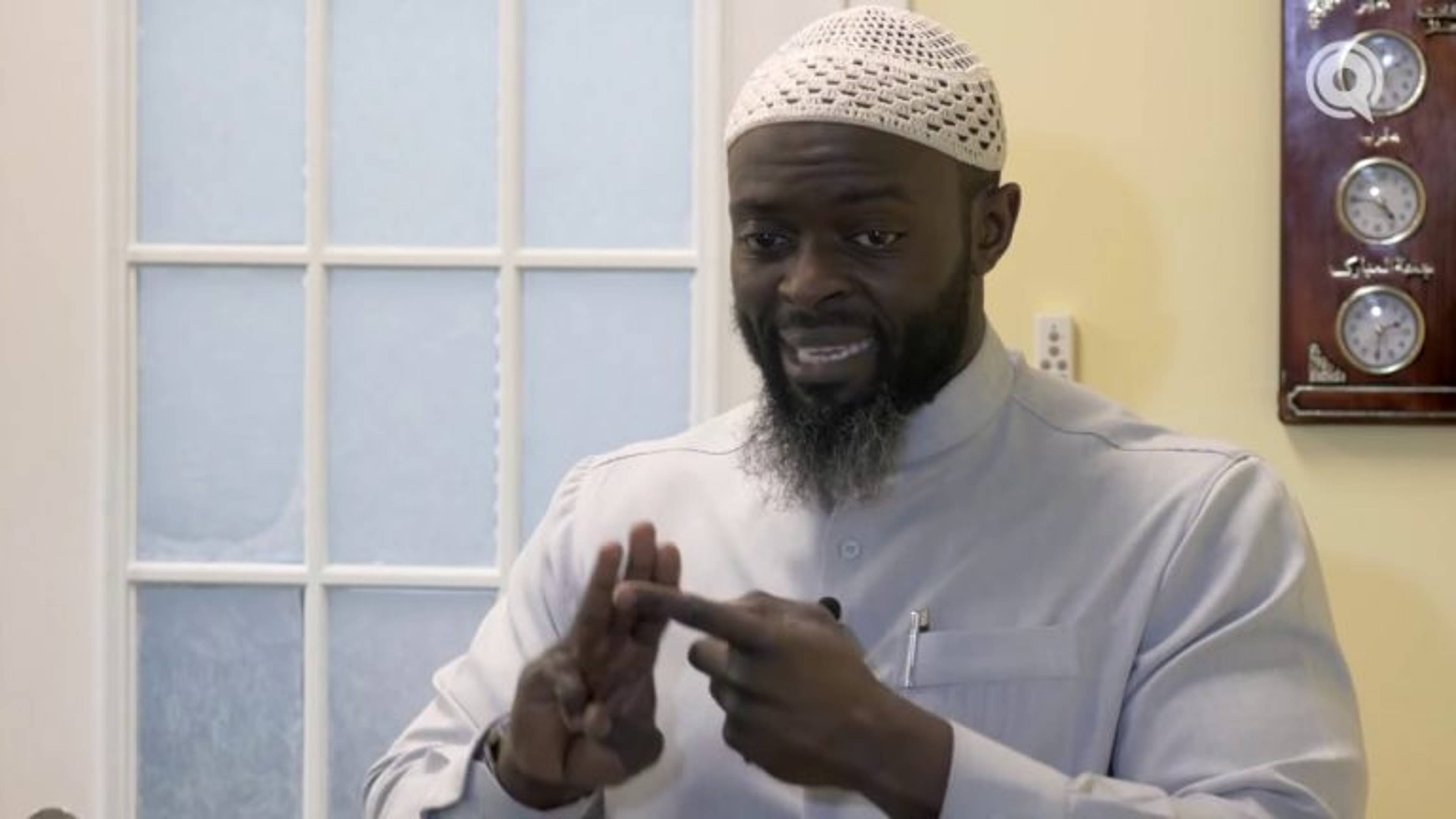
Combating Islamophobia with Marketing and Design | #SXSW19

Racism in Our Ranks | Khutbahs with Purpose
Racism in Our Ranks | Khutbahs with Purpose

Spiritual Personality - Zohair Abdul-Rahman | 2018 Yaqeen/MAS Academic Conference
Spiritual Personality - Zohair Abdul-Rahman | 2018 Yaqeen/MAS Academic Conference

Conflict Resolution: The Line Between Justice and Peace - Sh. Omar Suleiman | Lecture
Conflict Resolution: The Line Between Justice and Peace - Sh. Omar Suleiman | Lecture

The Flexibility of Islamic Law - Tesneem Alkiek | 2018 Yaqeen/MAS Academic Conference
The Flexibility of Islamic Law - Tesneem Alkiek | 2018 Yaqeen/MAS Academic Conference

To Know Him is to Love Him | Introduction by Sh. Omar Suleiman
To Know Him is to Love Him | Introduction by Sh. Omar Suleiman

The Role of Parents in Instilling Faith - Roohi Tahir | Yaqeen/MAS Academic Conference
The Role of Parents in Instilling Faith - Roohi Tahir | Yaqeen/MAS Academic Conference

Perfection and Beauty | Episode 1 | To Know Him is to Love Him
Perfection and Beauty | Episode 1 | To Know Him is to Love Him

Hope and Potential | Episode 2 | To Know Him is to Love Him
Hope and Potential | Episode 2 | To Know Him is to Love Him

Bonds and Relations | Episode 3 | To Know Him is to Love Him
Bonds and Relations | Episode 3 | To Know Him is to Love Him

The Story of Hajar: Uncovering Certainty in Uncertainty - Sh. Omar Suleiman | Lecture
The Story of Hajar: Uncovering Certainty in Uncertainty - Sh. Omar Suleiman | Lecture

Gracious Dealings | Episode 4 | To Know Him is to Love Him
Gracious Dealings | Episode 4 | To Know Him is to Love Him

Gift Giving | Episode 5 | To Know Him is to Love Him

Gift Giving | Episode 5 | To Know Him is to Love Him

The Generous | Episode 6 | To Know Him is to Love Him
The Generous | Episode 6 | To Know Him is to Love Him

Navigating Adolescence - Dr. Altaf Husain | Reframing the Gender Question
Navigating Adolescence - Dr. Altaf Husain | Reframing the Gender Question

Keeping Masculinity from Trending Toxic - Dr. Jonathan Brown | Reframing the Gender Question
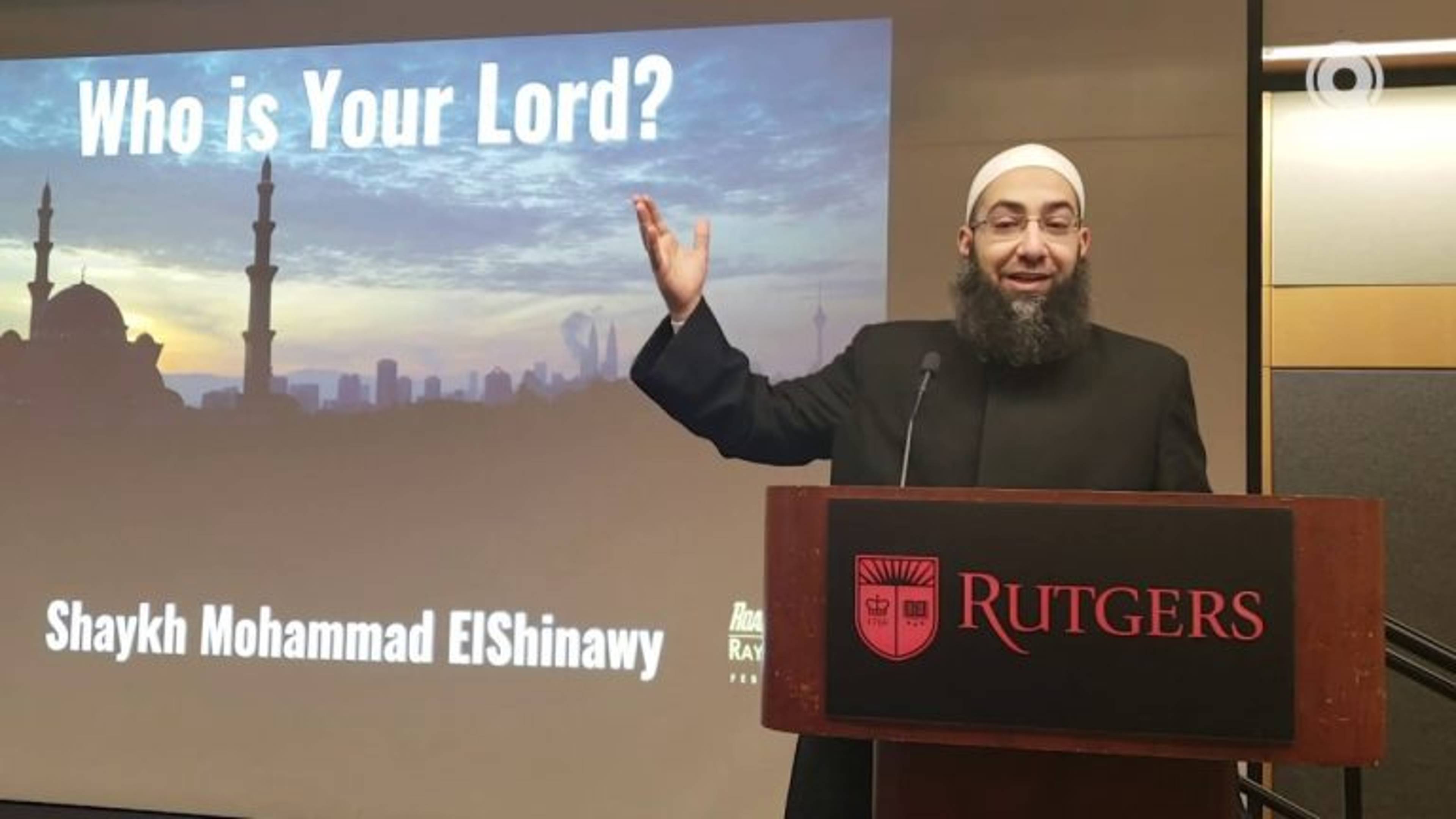
Keeping Masculinity from Trending Toxic - Dr. Jonathan Brown | Reframing the Gender Question

Why Does God Ask People to Worship Him? - Sh. Mohammad Elshinawy | Lecture
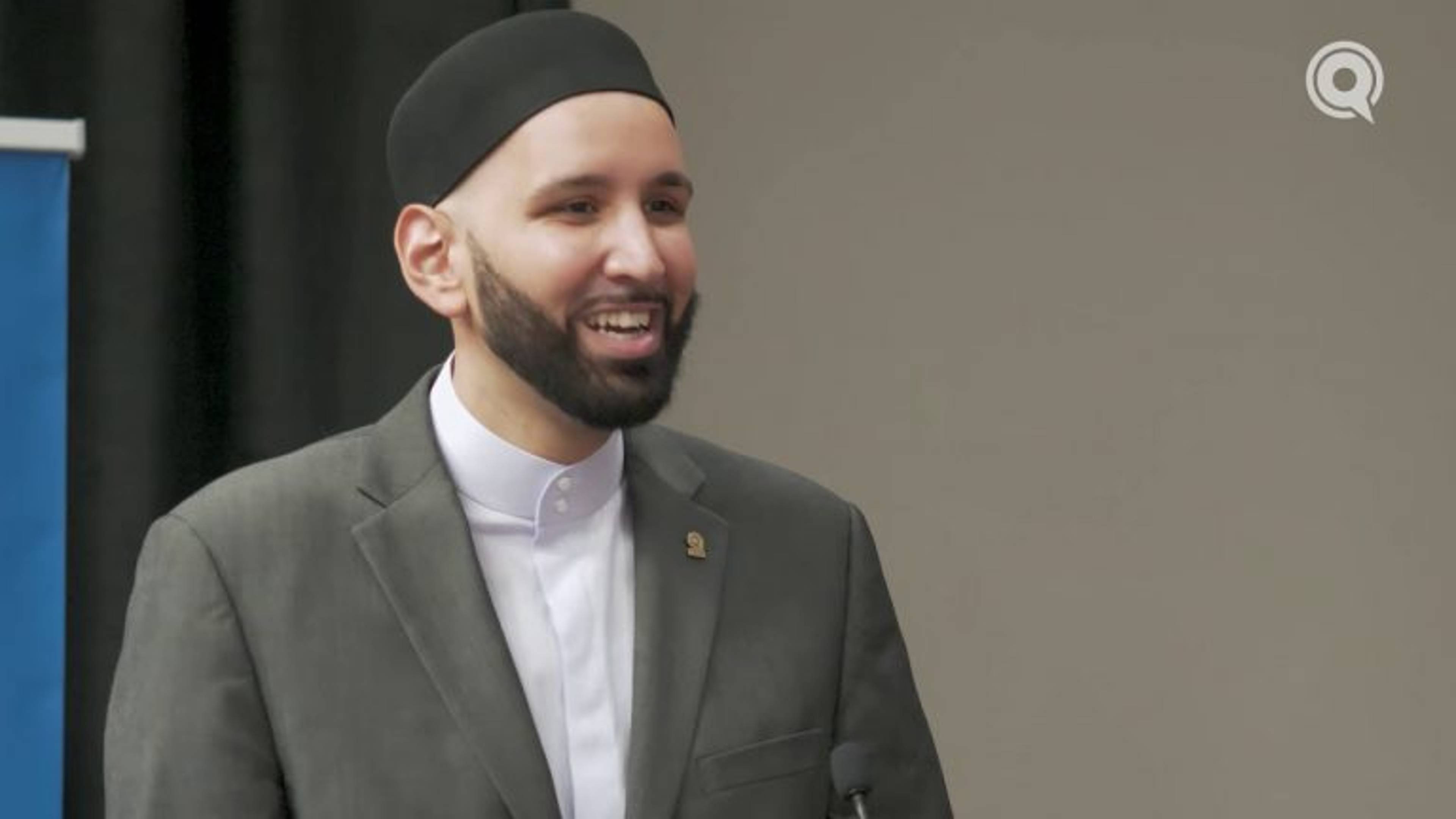
Why Does God Ask People to Worship Him? - Sh. Mohammad Elshinawy | Lecture

Addressing the Topic of Trauma and Faith - Sh. Omar Suleiman | ISNACON 2019
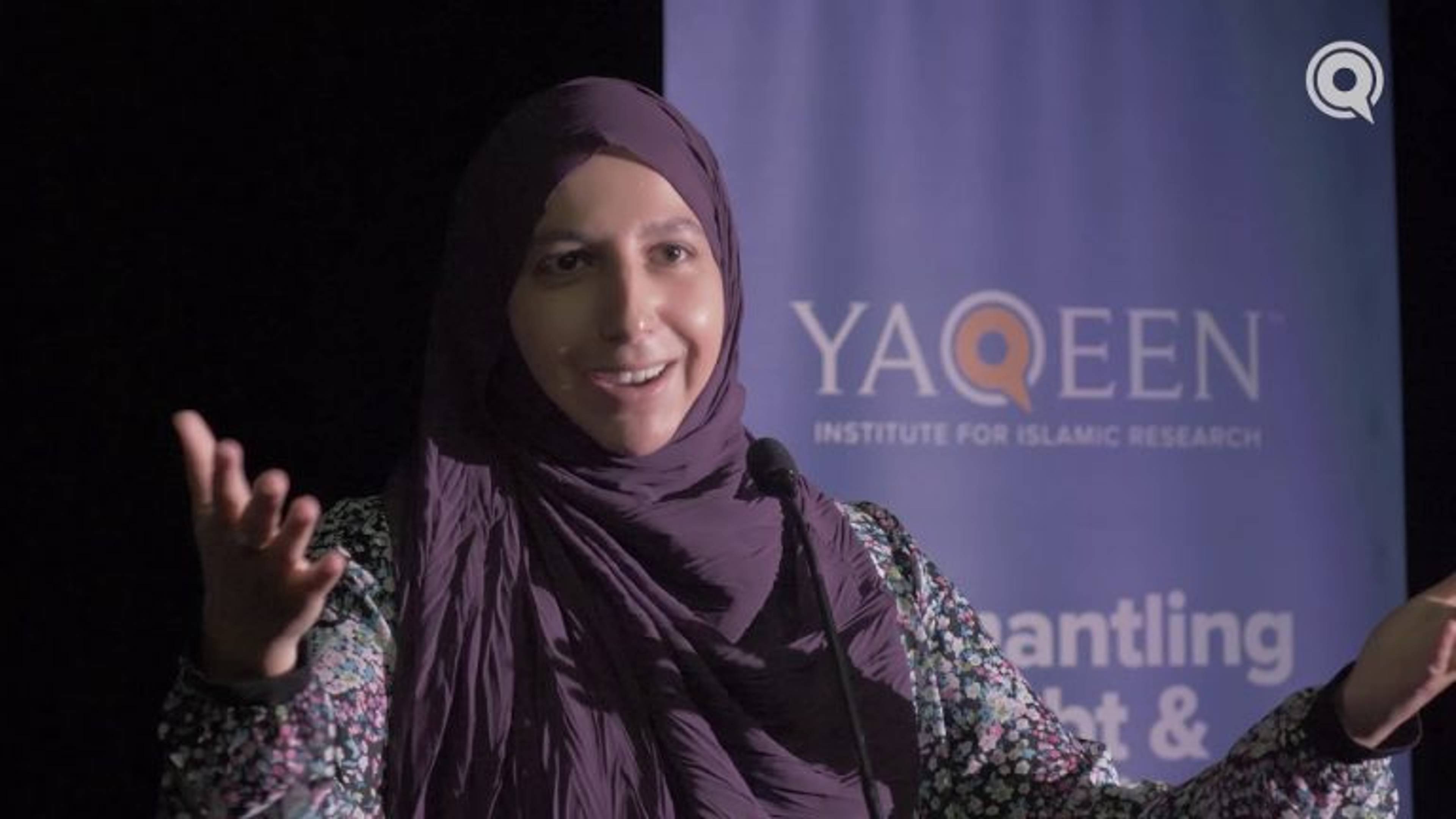
Addressing the Topic of Trauma and Faith - Sh. Omar Suleiman | ISNACON 2019

The Impact of Trauma on Faith - Sarah Sultan | ISNACON 2019
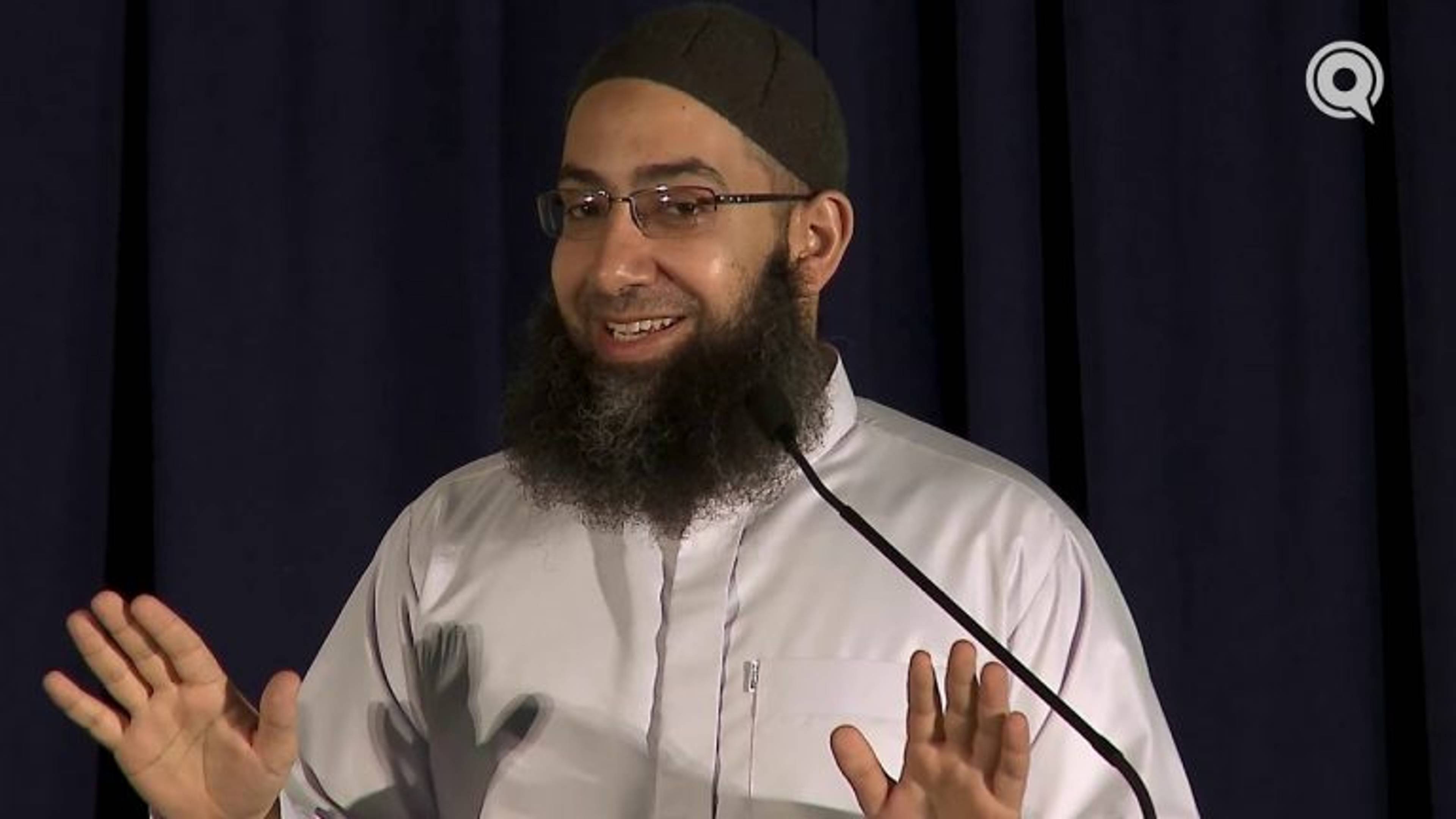
The Impact of Trauma on Faith - Sarah Sultan | ISNACON 2019

The Rising Tide of Atheism - Sh. Mohammad Elshinawy | ICNA 2019
The Rising Tide of Atheism - Sh. Mohammad Elshinawy | ICNA 2019

The Duha Approach: A New Model to Treat Trauma - Najwa Awad | ISNACON 2019
The Duha Approach: A New Model to Treat Trauma - Najwa Awad | ISNACON 2019

How Islam Addresses Grief - Dr. Altaf Husain | ISNACON 2019
How Islam Addresses Grief - Dr. Altaf Husain | ISNACON 2019

Understanding Traumatic Grief - Najwa Awad | ISNACON 2019
Understanding Traumatic Grief - Najwa Awad | ISNACON 2019

Calling Out to Allah With Meaning - Sh. Tahir Wyatt | Lecture
Calling Out to Allah With Meaning - Sh. Tahir Wyatt | Lecture

Slavery in Islam - Dr. Jonathan AC Brown | Lecture
Slavery in Islam - Dr. Jonathan AC Brown | Lecture

The Gift of Receiving Good Counsel - Dr. Hatem ElHaj | Lecture
The Gift of Receiving Good Counsel - Dr. Hatem ElHaj | Lecture

Roots and Implications of Pop Culture | Firm Roots
Roots and Implications of Pop Culture | Firm Roots

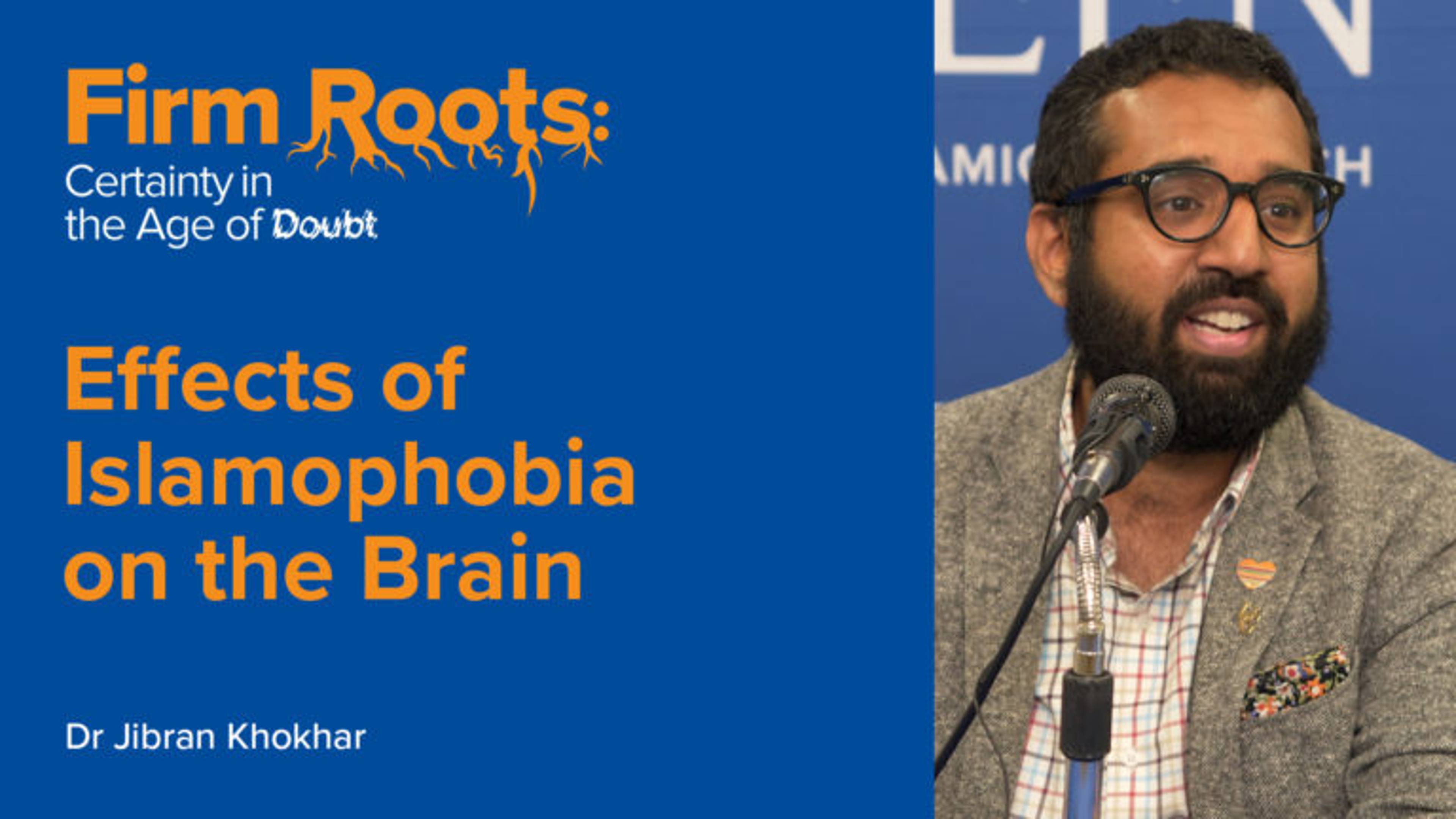
Effects of Islamophobia on the Brain - Dr. Jibran Khokhar | Firm Roots
Effects of Islamophobia on the Brain - Dr. Jibran Khokhar | Firm Roots

With Hardship Comes Ease | Dr. Omar Suleiman
With Hardship Comes Ease | Dr. Omar Suleiman

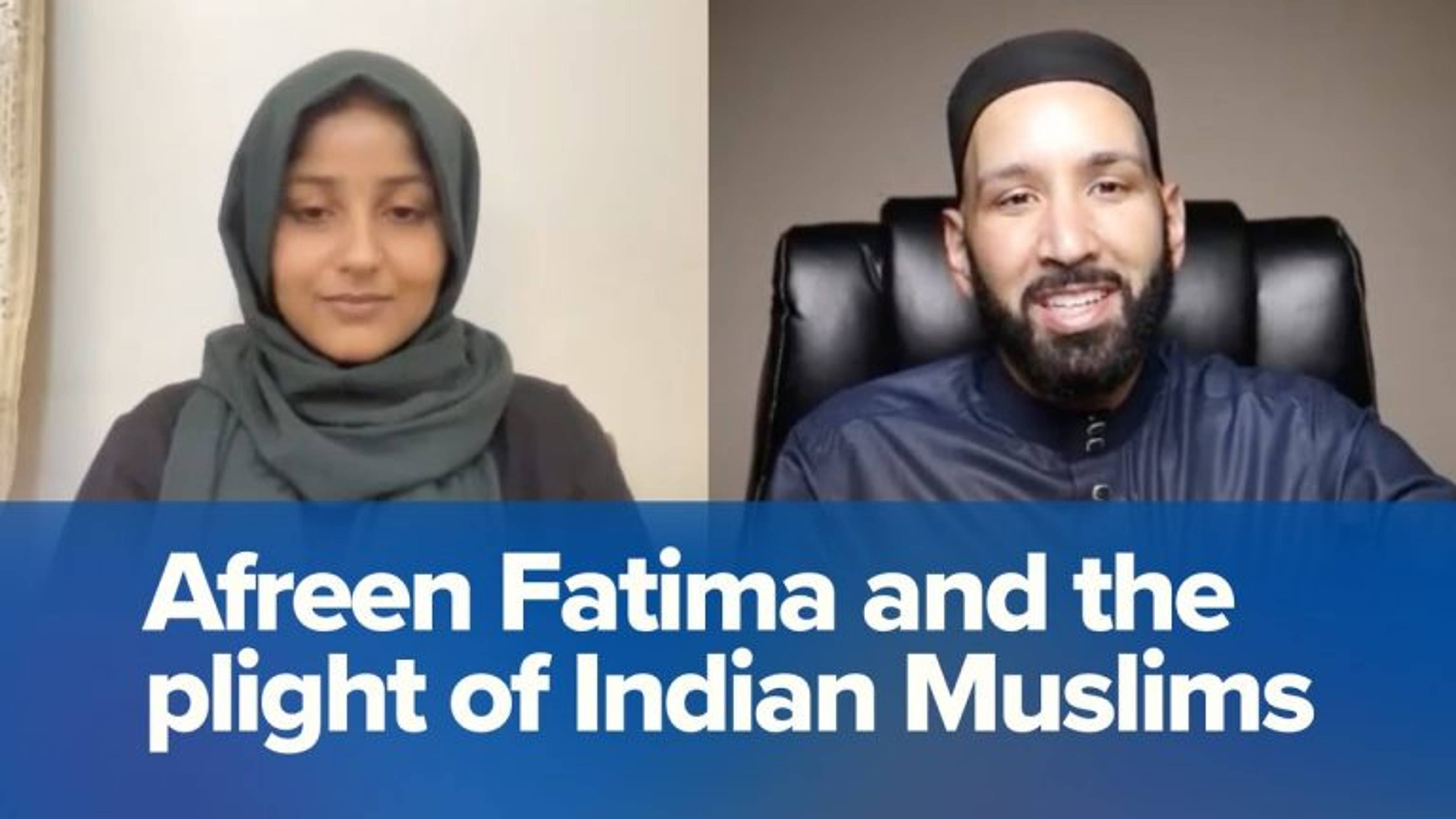
A Conversation with Afreen Fatima on the Plight of Indian Muslims | Dr. Omar Suleiman
A Conversation with Afreen Fatima on the Plight of Indian Muslims | Dr. Omar Suleiman

How the Prophet ﷺ Inspired Young People | Dr. Omar Suleiman
How the Prophet ﷺ Inspired Young People | Dr. Omar Suleiman

When the Qur’an Changes You | Dr. Omar Suleiman
When the Qur’an Changes You | Dr. Omar Suleiman

What Does Allah Really Want From Me? | Dr. Omar Suleiman
What Does Allah Really Want From Me? | Dr. Omar Suleiman

Fueling Your Faith: A Guide to Preparing for Ramadan | Dr. Omar Suleiman
Fueling Your Faith: A Guide to Preparing for Ramadan | Dr. Omar Suleiman

Be In This World A Stranger or a Wayfarer  | Dr. Omar Suleiman
Be In This World A Stranger or a Wayfarer | Dr. Omar Suleiman

Becoming the Best Version of Yourself | Dr. Omar Suleiman
Becoming the Best Version of Yourself | Dr. Omar Suleiman

Abu Bakr's (ra) Rare Speech | Dr. Omar Suleiman
Abu Bakr's (ra) Rare Speech | Dr. Omar Suleiman

To Love the Prophet ﷺ More Than Yourself | Dr. Omar Suleiman
To Love the Prophet ﷺ More Than Yourself | Dr. Omar Suleiman

Grieving Doctors of Gaza | Dr. Omar Suleiman
Grieving Doctors of Gaza | Dr. Omar Suleiman

Did the Prophet ﷺ See You in The Future? | Dr. Omar Suleiman
Did the Prophet ﷺ See You in The Future? | Dr. Omar Suleiman

Is Religion Making Us Complacent? I Dr. Omar Suleiman
Is Religion Making Us Complacent? I Dr. Omar Suleiman

Consumerism and The Inflation of Self | Black Friday | Dr. Omar Suleiman
Consumerism and The Inflation of Self | Black Friday | Dr. Omar Suleiman

Is Syria Really a Good Thing ? | Dr. Omar Suleiman
Is Syria Really a Good Thing ? | Dr. Omar Suleiman

Finding Solace Through Patience and Wisdom | Dr. Omar Suleiman
Finding Solace Through Patience and Wisdom | Dr. Omar Suleiman

Age is Nothing but a Number | Making An Impact | Dr. Omar Suleiman
Age is Nothing but a Number | Making An Impact | Dr. Omar Suleiman

Tested Like the Prophets | UK Tour Wembley Stadium Lecture by Dr. Omar Suleiman
Tested Like the Prophets | UK Tour Wembley Stadium Lecture by Dr. Omar Suleiman

Waiting for The Mahdi or A Miracle | Lecture by Dr. Omar Suleiman
Waiting for The Mahdi or A Miracle | Lecture by Dr. Omar Suleiman

Why Did Allah Mention The Number 19? Your Test of Faith | Dr. Omar Suleiman
Why Did Allah Mention The Number 19? Your Test of Faith | Dr. Omar Suleiman

Finding Resilience Beyond the Illusion of Power | Lecture by Dr. Omar Suleiman
Playing

Finding Resilience Beyond the Illusion of Power | Lecture by Dr. Omar Suleiman

Preparing for Ramadan - Making the most in Shaban | Lecture by Sh. Mohammad Elshinawy
Preparing for Ramadan - Making the most in Shaban | Lecture by Sh. Mohammad Elshinawy

The People of Gaza Are Undisplaceable | Dr. Omar Suleiman
The People of Gaza Are Undisplaceable | Dr. Omar Suleiman

How to Reinvent Yourself This Ramadan | Dr. Omar Suleiman
How to Reinvent Yourself This Ramadan | Dr. Omar Suleiman

Kashmir Is Calling: Keynote at International War Crimes Tribunal, Bosnia | Dr. Omar Suleiman
Kashmir Is Calling: Keynote at International War Crimes Tribunal, Bosnia | Dr. Omar Suleiman

The Most Amazing Wedding I’ve Ever Been To | Dr. Omar Suleiman's South Africa Tour 2025
The Most Amazing Wedding I’ve Ever Been To | Dr. Omar Suleiman's South Africa Tour 2025

This Is What Made The Prophets Unstoppable | Lecture by Dr. Omar Suleiman
This Is What Made The Prophets Unstoppable | Lecture by Dr. Omar Suleiman

What Is Allah Preparing You For? | Lecture by Dr. Omar Suleiman
What Is Allah Preparing You For? | Lecture by Dr. Omar Suleiman

27th Night Special Du’a Stream by Dr. Omar Suleiman #LaylatulQadr
27th Night Special Du’a Stream by Dr. Omar Suleiman #LaylatulQadr

Khatm al-Quran Du’a 2026 by Dr. Omar Suleiman

Khatm al-Quran Du’a 2026 by Dr. Omar Suleiman

Lecture

Finding Resilience Beyond the Illusion of Power | Lecture by Dr. Omar Suleiman

What does it mean to choose faith over worldly power? In this inspiring lecture, Dr. Omar Suleiman uncovers how true strength and resilience emerge amidst deviant mindsets and flawed systems. Reflect on the powerful journeys of Prophet Musa (AS) and Prophet Muhammad ﷺ, who found unparalleled resilience by turning away from worldly power and relying on Allah alone.

This transcript was auto-generated using AI and may contain misspellings.
Dear brothers and sisters, Allah subhanahu wa ta'ala warns not just about sins in the Qur'an,
but Allah subhanahu wa ta'ala often speaks to the vulnerabilities that create opportunities for that sin to find room in the heart in the first place.
Allah subhanahu wa ta'ala warns us in the Qur'an not just about deviant ways of thinking in the Qur'an,
but Allah subhanahu wa ta'ala warns us about the mindset that precedes a deviant way of thinking in the nations that came before us.
I want to begin, before interrogating the systems of the world that have led to the oppression of our brothers and sisters far and near,
before I speak about how our community demonstrates resilience with the uncertainty that is in the air,
I want to speak about the very simple reminders that Allah subhanahu wa ta'ala gives us in the Qur'an to not succumb to certain mindsets of defeat.
In Surah Al-Baqarah, as Allah subhanahu wa ta'ala speaks to Bani Israel, and then speaks to the community immediately following Bani Israel,
which is our community, the Ummah of Muhammad sallallahu alayhi wasallam. Allah subhanahu wa ta'ala mentions,
وَاتَّقُوا يَوْمًا لَا تَجْزِي نَفْسٌ عَن نَفْسٍ شَيْئًا وَلَا يُقْبَلُ مِنْهَا عَدْلٌ وَلَا تَنْفَعُهَا شَفَاعَةٌ وَلَا هُمْ يُنصَرُونَ
That beware of a day when no human being will be able to benefit another human being. And no intercession will be worth anything.
And no ransom will be paid. And a person will not be helped.
Allah subhanahu wa ta'ala speaks to the mindset of a loser who doesn't just embrace their own failure, but actually in the process of embracing their own failure,
relies upon failed mechanisms of power to get them out of the holes that they dig themselves into. What do I mean by that? When a person is not accountable for their own sins,
they tend to fall deep into those sins and then call upon the same people that warned them about falling into those sins to save them and pull them out.
When a person fails to hold themselves accountable in terms of building a sense of independence from the creation,
in terms of putting forth the efforts that are required for success, they tend to always rely upon who they know to get them out of their situations
instead of coming to know what Allah subhanahu wa ta'ala has put within them of potential, of strength.
Weak-minded people seek power from other weak-minded people who pose as being powerful.
I want you to take for example those that were the magicians of Fir'aun. And Allah subhanahu wa ta'ala mentions to us the conversation that preceded the momentous occasion
where they stood before Musa alayhi salam and they carried out the orders of the pharaoh. And there is deep wisdom in every single word that is said to represent the mindset that preceded the moment.
Where Fir'aun knows that this group of people seeks access to power as the greatest threshold, the greatest measure of their success.
And so when they ask him, will there be ajr, will there be compensation, should they carry out these orders? He responds to them and says, not only will there be compensation, but he will say,
وَإِنَّكُمْ لَمِنَ الْمُقَرَّبِينَ You will be amongst those who are brought near to me. I will give you access to power. Cast that into what Allah subhanahu wa ta'ala warns us of,
of becoming too dependent on the idea of someone else saving you, of someone else being able to ransom you, and of someone else being able to intercede for you, access, compensation.
We always fall back on these things until we learn to fall back into our sujood, into our prostration to Allah subhanahu wa ta'ala, and into the source of all power, al-Qadir al-Qadir al-Muqtadir subhanah.
And so he promises them that I'll bring you close, I'll give you access to me, you'll be brought near to me. And in the moments that they realize that the sorcery that they were under,
the sorcery that they would practice, the lie that they used to sell to people, was now laid bare in the staff of Musa alayhi salam.
In that moment, not only did they realize that the structure of power that they were deriving their purpose and their meaning from was actually meaningless,
but that their truest sense of self-fulfillment was going to be found in submission to Allah subhanahu wa ta'ala, who they were just introduced to in those moments with the staff of Musa alayhi salam.
And suddenly these magicians, whose eyes lit up at the idea of being muqarrabin, being brought near to the pharaoh,
threw themselves into sajda, threw themselves into prostration, and said, amanna bi rabbi Musa. We believe in the Lord of Moses. We believe in the Lord of the pharaoh.
We believe in Rabb al-Alamin. We believe in the Lord of the worlds. And I want you to think about the image, think about the change, not just of the spiritual state, but think of the change of the mindset.
If you were to see these cronies in a palace the day before with pharaoh, when he says, wa innakum lamina al-muqarrabin, what a pathetic state they were in. Their eyes lit up, we're in.
If they could take selfies with the pharaoh, they would have taken selfies with the pharaoh. We're in. Did you hear that guys? We're close to him. We're good now. We have power, we have purpose.
And anyone that actually has a brain, that actually has a conscience, would look at them from the outside. If you were watching them in a movie, and you watch reenactments of the pharaoh and those that are around him,
not connecting the dots to the modern day pharaohs and those that are around them, the cronies that are around them.
You watch them and you say, how pathetic their glazed eyes at a human being that is just as lowly as them.
And then the next day, that moment where they're on the ground, their faces in prostration to Allah subhanahu wa ta'ala.
Knowing that not only have they disqualified themselves in the process, from nearness to power, but they have earned themselves death.
These were the same people that used to watch pharaoh, tear his opponents apart, burn them and carry out the cruelest forms of punishment against them.
These were the same people that gave pharaoh a certain level of credibility to be able to carry out those types of crimes. But now look at them, with their faces on the ground in prostration.
And you tell me if you're watching that movie, where power really is. Pharaoh said, The Prophet sallallahu alayhi wasallam said,
The closest that a person is to his Lord is when he's in a state of prostration.
Do you understand that in a moment, these people who found their greatest joy and pleasure in being brought near to a tyrant,
found their greatest sense of meaning and purpose in being brought near to Allah subhanahu wa ta'ala in that state of sajda, and they went from being magicians to martyrs in a day. What happens?
A spiritual state changed, and in the process of that spiritual state changing, a mindset changed as well. Because you can't claim, just like you can't say that iman only changes the hearts.
And it doesn't manifest in the deeds. You can't say that you've spiritually been transformed if your mindset hasn't been transformed as well.
Let's bring it back to the seerah of the Prophet sallallahu alayhi wasallam, and to our own lives, the moments in history that we are living right now.
The Messenger of Allah sallallahu alayhi wasallam had access to power before prophethood.
The Prophet sallallahu alayhi wasallam, at the age of 39 years old, could walk up to any door in Makkah. Listen very carefully. Could walk to the door of Abu al-Hakam, who we know as Abu Jahl.
Could walk to the door of his uncle Abu Lahab, who loved him so much that he had two of his sons engaged to two of his daughters. He could walk to the door of Umayyah.
He could walk to the door of the most powerful people in Makkah. And he would be welcomed with open arms. He would be given red carpet treatment.
Not because the Prophet sallallahu alayhi wasallam sold his soul to spiritually diseased Makkah, but because he won them over with his character sallallahu alayhi wasallam,
before he was even known as the Prophet of Allah. He could have knocked on any door. He had access to that power. He would have been welcomed. And the moment that Allah subhanahu wa ta'ala made him a Prophet,
Allah subhanahu wa ta'ala divorced him from that power. Those doors were shut. And the Prophet sallallahu alayhi wasallam had to learn a lesson,
that was first expressed to him through Waraqah ibn Nawfal (رضي الله عنه), who's read the script before, because he knew the scripture before,
that no one has come with this type of a message before you, except that their people ran them out. Except that the same doors of power that were given to them would run them out. And there's a parallel to Musa alayhi salam.
Musa was raised in the palace of Fir'aun. The Prophet sallallahu alayhi wasallam was raised in part by the same people that were trying to kill him after he said that, I am the Prophet of Allah.
He had to learn how to be divorced from power. He had to learn sallallahu alayhi wasallam how to be divorced from comfort. He lost the emotional support in Khadijah (رضي الله عنها),
and there is no way to overestimate what that emotional support meant to him sallallahu alayhi wasallam, from our blessed beloved mother Khadijah. May Allah be pleased with her.
We cannot, we cannot say enough about what that emotional support meant to him. But he had to learn sallallahu alayhi wasallam how to find his emotional resilience in something other than Khadijah (رضي الله عنها).
He had to learn sallallahu alayhi wasallam how to find his protection in something other than Abu Talib. The process of prophethood, of the greatest human being sallallahu alayhi wasallam, the greatest of Allah's creation,
was one of growth and greatness. And the messenger of Allah sallallahu alayhi wasallam found his strength in his prayer,
learned to find his strength in the revelation that once caused him trepidation. He found his strength sallallahu alayhi wasallam in these things,
and his community also found that strength. You see, if you're watching the beginning of the film, who wouldn't wish that when the prophet sallallahu alayhi wasallam
stood on Safa the first time, his uncle wouldn't have cursed him, that the people would have said, we know you're a sadiq al-amin, we will support you with our power, we are with you.
Who wouldn't wish if you're watching the opening scene, that the opening scene plays out differently. But when it's all said and done,
the divorce from power that the prophet sallallahu alayhi wasallam had to undergo, the embrace of being an oppressed group of people,
allowed for a resilience to be born through the complete reliance upon revelation, that would lead to a different way of power
when the prophet sallallahu alayhi wasallam eventually assumes that type of power. That would lead to a certain humility, to a certain integrity by those same people that were once dragged through the streets of Mecca,
when they now had the places of power in Mecca and beyond Mecca. It built character in them. It built faith in them. It taught them something else. It taught them that there was a different way.
You see, in a tribal society, it's all about who you know. It's all about your connection. Bring it forward to where we are right now.
There's something deeply profound about being known as the outsider. There's something deeply profound about being the usual scapegoat.
There's something deeply profound about knowing that you are hated by the powers that be. There's something deeply profound
about embracing the stranger status. About being told very openly that you're not welcome to the table. That you are in fact on the menu.
Because Gaza is us. And any Muslim with an ounce of iman sees the people of Gaza being slaughtered as their own children, as their own people. We are on the menu. We are the outsider.
We are being killed. We are being massacred in Gaza. Not somebody else. There's something deeply profound about the alienation that we have felt in this last year and a half.
And you know what? Perhaps it will unlock a different type of power inside of us. I want you to pay attention, dear brothers and sisters.
If in the effort to be welcomed by the power structures, we were told, don't say too much about Palestine, because it's too early
and that's going to disqualify you. Don't worry. One day. If we were told, in an effort to be brought near, that don't say anything about your political prisoners
that are being thrown into the dungeons in Georgia or Gitmo, the CIA prisons abroad or the intimidation of the FBI domestically. If we're being told, don't say too much
because that's going to disqualify you. Don't say too much because that's going to divorce you from power. Then to hell with that power. Or that perception of power.
If that's what power is supposed to be, we shouldn't want that power. If that's what dignity is supposed to be, we shouldn't want that dignity. If power means forsaking the powerless of your community,
and subhanallah, what a moment. We're in the same moments that we saw people crawl out of the dungeons in Syria under a tyrant of Bashar al-Assad and his father Hafez al-Assad.
We saw Mufid Abdelkader, one of the neglected HLF-5, come out of a dungeon after 16 years, wearing a jumpsuit, a prison jumpsuit,
with a smile on his face. The same smile that we knew him by. But definitely with trauma etched into his psyche. And I want you to know, because we know that the Islamophobes are here,
we know that the Zionists are here, we know that they will report on this conference, we will not forsake the HLF. We will not forsake Aafia Siddiqui. We don't want your approval.
We don't care about your hit pieces. We don't care what you say. Power is in the smile of resilience of Mufid when he walked out after 16 years of trying to break that man's spirit. Power is in the smile of Khalid Nabhan,
ruh al-ruh, who could even smile after being martyred. Power is in finding that power in Allah subhanahu wa ta'ala. Power is in that qurb, in that closeness that Allah subhanahu wa ta'ala guarantees us.
Power is in the character that's being built. That doesn't mean, that doesn't mean we shouldn't be strategic. That doesn't mean we shouldn't be smart. That doesn't mean that we shouldn't try
to build institutional power. That just means that we need to keep in perspective what actual power is. Because the pursuit of false power is the pursuit of a false god.
The pursuit of false power is the pursuit of a false ideal. The pursuit of false power is in fact weakness. And if Allah subhanahu wa ta'ala
teaches us through these moments of estrangement, these moments of alienation, to unlock something deep within ourselves, as an American Muslim community, to where it doesn't matter
who's in the suit in the White House. We know who we are. It doesn't matter who's threatening us. We know who we are. It doesn't matter if they're smiling at us, while still killing our brothers and sisters,
or telling us that they hate us while killing our brothers and sisters. We love ourselves enough, we love our religion enough, we see closeness to Allah subhanahu wa ta'ala enough, to where we still know where our source of power is,
where our source of dignity is. Dear brothers and sisters, take the moment. I say this in conclusion and my time is up. Oftentimes when you look at the incidents of the seerah, you realize now in retrospect
that those moments of devastation unlocked a different type of greatness. We grieve at Uhud, when we stand there, and we know that we are over the bodies
of those that were mutilated, of the greatest people to ever walk the face of the earth, the greatest generation to ever walk. But you know what? Let's ask ourselves,
how would Khandaq have played out if the Muslims won Uhud? If Uhud went like Badr, and then they came back for Khandaq, to try to finish off the job and carry out a genocide,
would the Muslims have had the exact same mentality? Would the Muslims have been as resilient as they were in Khandaq, had they not suffered the defeat at Uhud?
Allah subhanahu wa ta'ala is teaching us. We just have to embrace the status that's been given to us, because that status is Muslim. Muslim in heart, Muslim in our mindset,
Muslim in our actions individually and institutionally. No matter what the world around us looks like, we still enter and engage that world as Muslims. May Allah subhanahu wa ta'ala make us as such. Allahumma ameen. Jazakum Allah khayran.
Assalamu alaikum warahmatullahi wabarakatuh. For more information, visit www.fema.org