

From Gaza to Islam: Understanding the Qur'an's Transformative Power
Latest

Changed by the Qur’an
Changed by the Qur’an is intended as a practical guide to remove the spiritual and intellectual barriers between every Muslim and their personal transformative relationship with the Qur’an
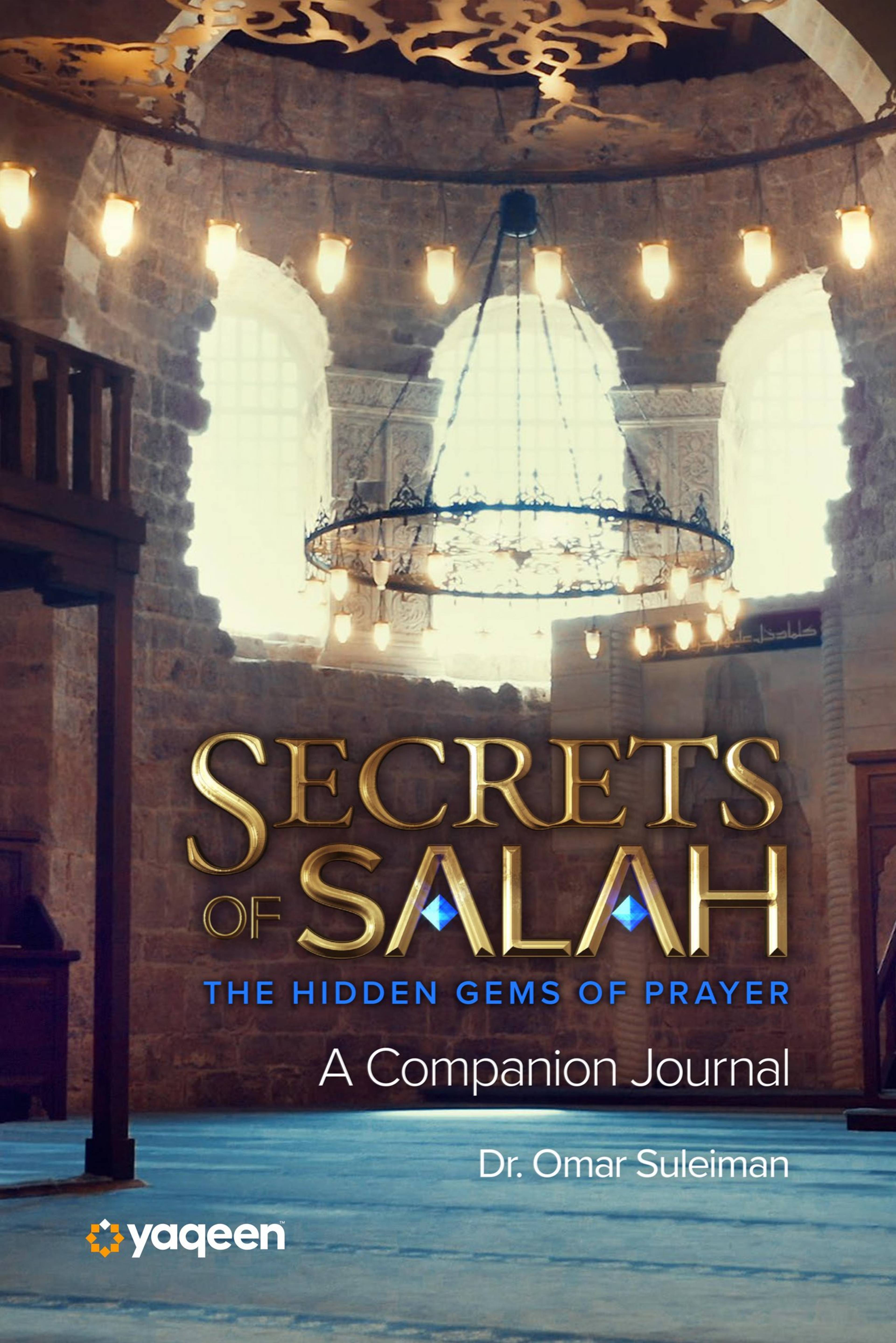
Secrets of Salah: The Hidden Gems of Prayer (Companion Journal)
The Secrets of Salah: The Hidden Gems of Prayer companion journal helps Muslims improve their prayer. It includes commentary and gems for each step of salah, and journaling space for your reflections on your journey to life-changing prayers.

Lowering the Gaze: Prophetic Solutions to Pornography in an Age of Endless Temptation | Essay
Dr. Jibran KhokharLate at night, after a long and exhausting day, a young man lies in bed scrolling through his phone. He is not searching for pornography. At least, that is not what he tells himself. He is simply looking for a distraction, to numb the distress of his day. A few reels become a few more. An image...

Overcoming Intrusive Thoughts and Religious OCD: Prophetic Guidance on Moral Scrupulosity | Essay
Dr. Jibran KhokharMoral scrupulosity is a form of excessive moral anxiety characterized by persistent fear of sin, intrusive thoughts about wrongdoing, and a heightened sense of guilt even in the absence of deliberate action. Often studied within the broader framework of obsessive–compulsive disorder (OCD), it...
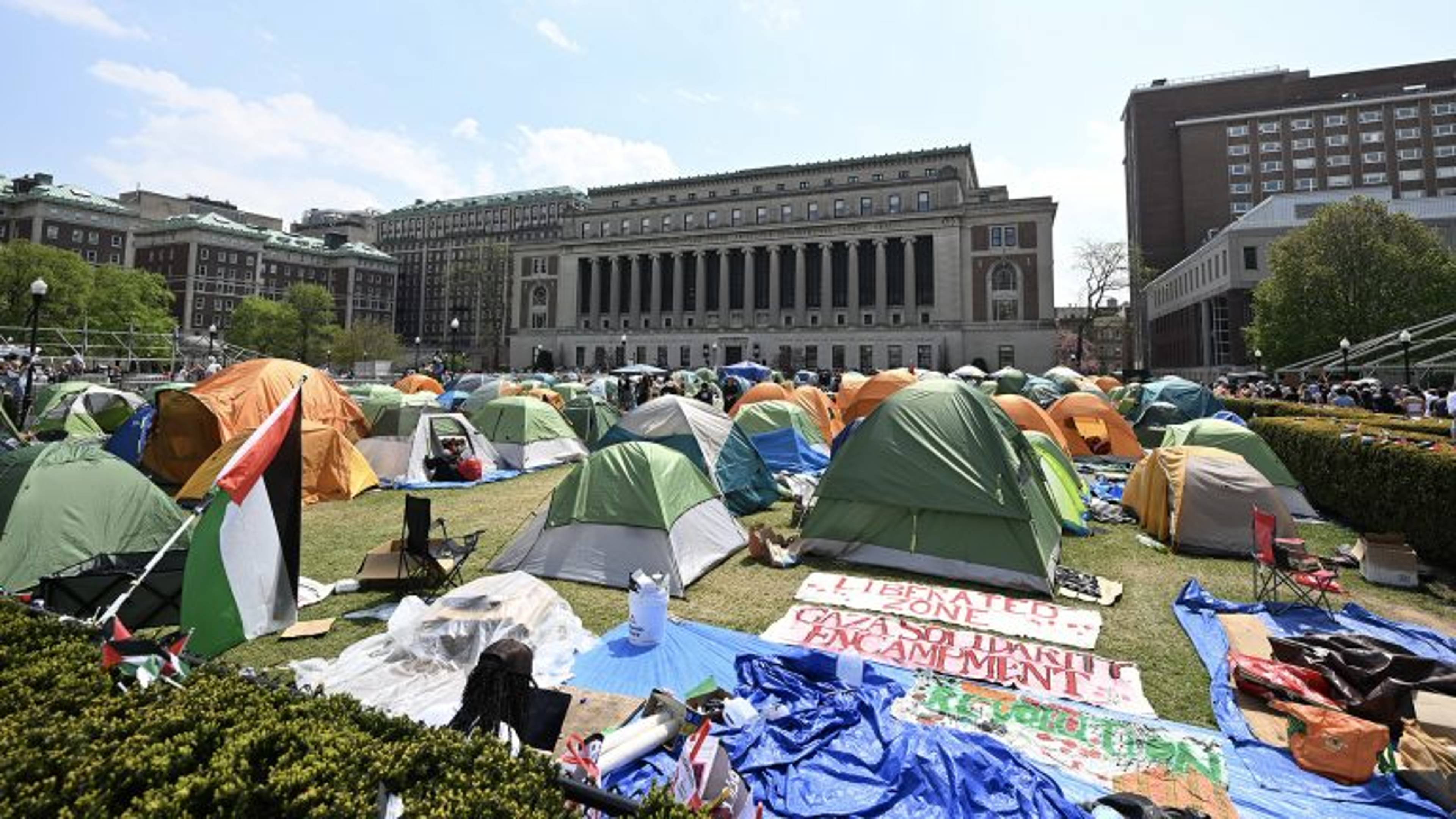
Four Ways of Confronting Islamophobia on Campus: Protecting Muslim Students from Abuse
Imam Khalid LatifSince October 2023, the past three academic years have exposed something painful but necessary for our community to confront: We were not prepared. The Prophet ﷺ taught us to tie our camel and trust in Allah. For far too long, in the higher education space, we trusted, but failed to tie the camel....

Post-Ramadan Highs and Lows: How to Protect Your Faith in 4 Steps | Blog
Tarek GhanemEver wondered why our experience in the last ten days of Ramadan, or on its 27th night, diminishes so quickly after the month ends? Where do the light, faith, inspiration to do more, and sense of elation go? Why is it that they are sometimes overtaken by sluggishness, boredom, spiritual emptiness,...


Imam al-Suyūṭī and Symmetry in the Qur'an: Understanding the Connection Between the Beginning and Ending of Surahs
Sh. Mohammad ElshinawyThe Qur’an is a shoreless ocean of treasures. It enhances your ability to transform your spirit through deeper tadabbur (contemplation) of the Qur’an in general, and in particular, through recognizing some of the possible secrets behind how each sūrah (chapter) of the Qur’an begins and ends....
This paper covers the legal definition of hijab, to read more about the servitude of hijab and its spiritual dimensions go here. Introduction When it comes to the obligation for a Muslim woman to cover her hair and body, many have expressed their confusion as to where this commandment is rooted. In...

"And We Created You in Pairs": Islam and the Gender Question
Faatimah KnightGender informs who we are as individuals, as collectives, and as creators of civilization because it is real. The modern era, however, has uprooted much of our understanding of this defining aspect of selfhood. The new gender theories, pioneered by public intellectuals like Professor Judith Butler,...

5 Tips for Muslim Professionals in their Pro-Palestinian Advocacy | Blog
Yaqeen InstituteAcross the globe, we’re witnessing brazen double standards and extreme measures of censure for those who advocate for our brothers and sisters in Palestine. CEOs are blacklisting future employment candidates, professionals are facing disciplinary measures and termination, and students are being...
10 Ways to Maximize Your Worship in the Last 10 Nights of Ramadan | Blog
Dr. Omar SuleimanWe have a unique opportunity in the last 10 nights of Ramadan to seek forgiveness and draw closer to Allah. Here are 10 tips to make the most of these blessed nights.
Imam al-Suyūṭī and Symmetry in the Qur'an: Understanding the Connection Between the Beginning and Ending of Surahs
Sh. Mohammad ElshinawyThe Qur’an is a shoreless ocean of treasures. It enhances your ability to transform your spirit through deeper tadabbur (contemplation) of the Qur’an in general, and in particular, through recognizing some of the possible secrets behind how each sūrah (chapter) of the Qur’an begins and ends....
This paper covers the legal definition of hijab, to read more about the servitude of hijab and its spiritual dimensions go here. Introduction When it comes to the obligation for a Muslim woman to cover her hair and body, many have expressed their confusion as to where this commandment is rooted. In...
"And We Created You in Pairs": Islam and the Gender Question
Faatimah KnightGender informs who we are as individuals, as collectives, and as creators of civilization because it is real. The modern era, however, has uprooted much of our understanding of this defining aspect of selfhood. The new gender theories, pioneered by public intellectuals like Professor Judith Butler,...
5 Tips for Muslim Professionals in their Pro-Palestinian Advocacy | Blog
Yaqeen InstituteAcross the globe, we’re witnessing brazen double standards and extreme measures of censure for those who advocate for our brothers and sisters in Palestine. CEOs are blacklisting future employment candidates, professionals are facing disciplinary measures and termination, and students are being...
10 Ways to Maximize Your Worship in the Last 10 Nights of Ramadan | Blog
Dr. Omar SuleimanWe have a unique opportunity in the last 10 nights of Ramadan to seek forgiveness and draw closer to Allah. Here are 10 tips to make the most of these blessed nights.



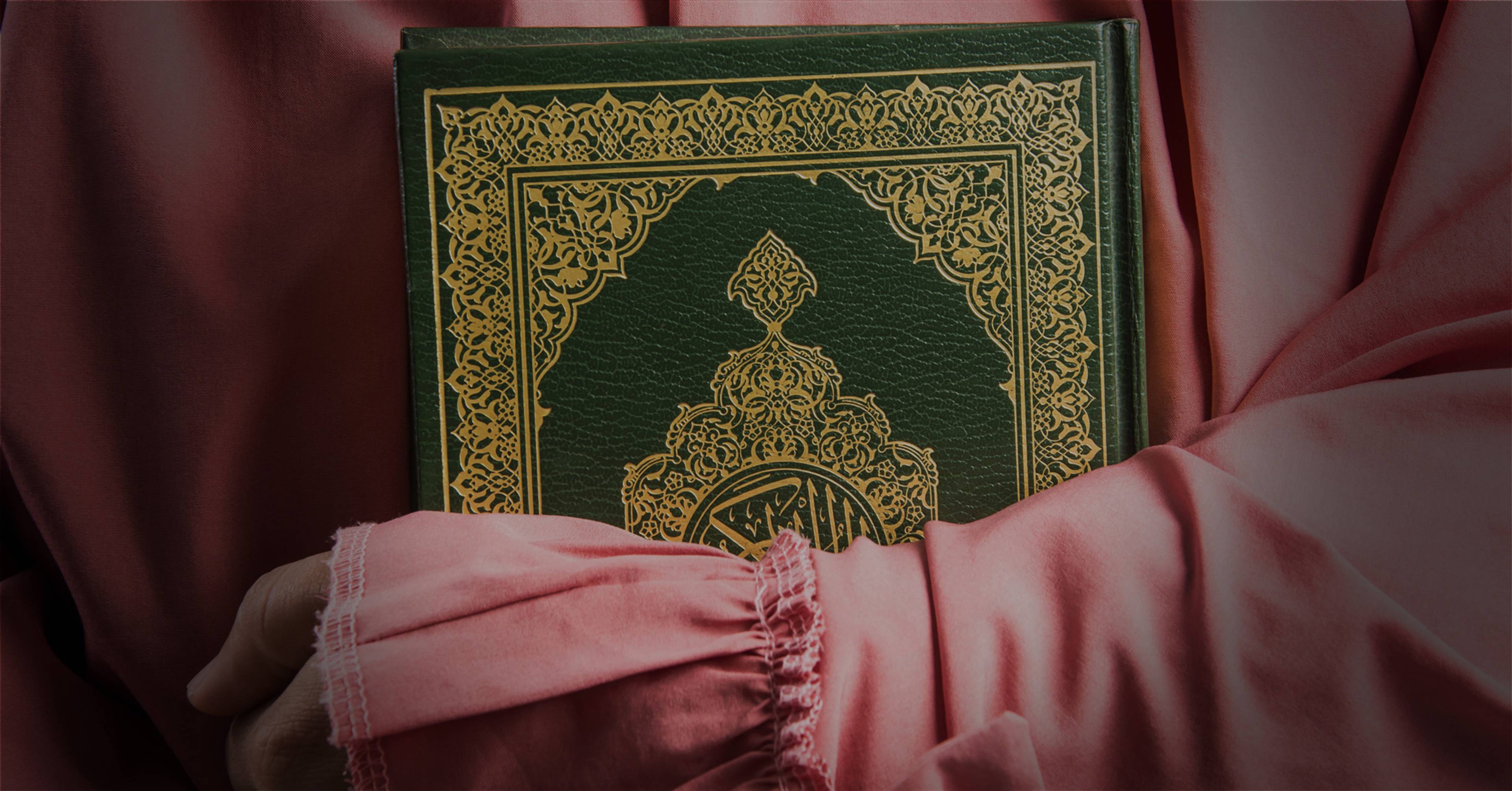
Courage & Commitment: The Femininity of Muslim Women
Dr. Tamara Gray
The term ‘feminine’ conjures up images of flowers and pink fluffy fabrics, soft smiles, and sweetly spoken words. Years ago, girls in Minnesota who preferred soccer to sewing were called ‘tomboys’ because their hobbies were not feminine or ‘girly.’ Today, children are questioning their very...

The Fate of Non-Muslims: Perspectives on Salvation Outside of Islam
Dr. Jonathan Brown
What is the fate of non-Muslims after death? This essay lays out three different answers that Muslims have proposed regarding non-Muslims who have had the message of Islam reliably presented to them (since those who have not are not considered responsible) : 1) the view that Islam is the only true...

What Are We Worth? Redefining Muslim Value with Dignity and Honor | Essay
Anna Birawi
Abdur-rahman is my local North African bus driver. He drives Londoners from A to B, Sunday to Thursday, every week, earning just enough for a small flat, food for his family, and a bit left over to send his daughter to the swimming club after school. Malik, my neighbor, is an electrical engineer...

"And We Created You in Pairs": Islam and the Gender Question
Faatimah Knight
Gender informs who we are as individuals, as collectives, and as creators of civilization because it is real. The modern era, however, has uprooted much of our understanding of this defining aspect of selfhood. The new gender theories, pioneered by public intellectuals like Professor Judith Butler,...

Exploring the Faith and Identity Crisis of American Muslim Youth
Dr. Omar Suleiman
Islam has a centuries-long tradition of inspiring its adherents to contribute to humanity based on conviction in its tenets. Previous generations of Muslims were on the forefront of contributing to medicine, philosophy, architecture, and governance among other areas. With the rise of Islamophobia,...
Courage & Commitment: The Femininity of Muslim Women
Dr. Tamara Gray
The term ‘feminine’ conjures up images of flowers and pink fluffy fabrics, soft smiles, and sweetly spoken words. Years ago, girls in Minnesota who preferred soccer to sewing were called ‘tomboys’ because their hobbies were not feminine or ‘girly.’ Today, children are questioning their very...
The Fate of Non-Muslims: Perspectives on Salvation Outside of Islam
Dr. Jonathan Brown
What is the fate of non-Muslims after death? This essay lays out three different answers that Muslims have proposed regarding non-Muslims who have had the message of Islam reliably presented to them (since those who have not are not considered responsible) : 1) the view that Islam is the only true...
What Are We Worth? Redefining Muslim Value with Dignity and Honor | Essay
Anna Birawi
Abdur-rahman is my local North African bus driver. He drives Londoners from A to B, Sunday to Thursday, every week, earning just enough for a small flat, food for his family, and a bit left over to send his daughter to the swimming club after school. Malik, my neighbor, is an electrical engineer...
"And We Created You in Pairs": Islam and the Gender Question
Faatimah Knight
Gender informs who we are as individuals, as collectives, and as creators of civilization because it is real. The modern era, however, has uprooted much of our understanding of this defining aspect of selfhood. The new gender theories, pioneered by public intellectuals like Professor Judith Butler,...
Exploring the Faith and Identity Crisis of American Muslim Youth
Dr. Omar Suleiman
Islam has a centuries-long tradition of inspiring its adherents to contribute to humanity based on conviction in its tenets. Previous generations of Muslims were on the forefront of contributing to medicine, philosophy, architecture, and governance among other areas. With the rise of Islamophobia,...
Special written resources and journals designed to maximize your productivity during the holy month. These publications often include daily planners, reflections, and spiritual exercises.
Special written resources and journals designed to maximize your productivity during the holy month. These publications often include daily planners, reflections, and spiritual exercises.
Tahajjud: Fuel for the Self and Society
Dr. Tamara Gray
Damascus is a beautiful city. Jasmine vines and bright purple bougainvillea flowers grow on balconies all over the city and jacaranda trees sneak up in the small spaces between blocks and buildings. I used to live in a twelve-story cement block building that stood in a row of at least ten other...
The Spiritual Psychology of Worship
Dr. Zohair Abdul-Rahman
Many young Muslims have grown up dreading acts of worship, viewing them as cumbersome tasks devoid of any meaning or fulfillment. 58% of respondents to a Yaqeen Institute survey of Muslims from the United States admitted that religious beliefs and practices not making sense to them contributed to...
Why Laylatul Qadr? The Significance & Virtues of the Most Important Night of the Year
Dr. Nazir Khan
Islam makes certain times and places especially sacred. The Night of Power is one of these times. Learn the significance of Laylatul Qadr and how to seek its reward.
Reframing Ramadan: How to Flourish While the Masjids are Closed
Dr. Omar Husain
On Friday, March 12, 2020, religious leaders and board members at masjids across the country made the excruciating decision to suspend the Friday (Jumuʿah) prayer due to the spread of COVID-19. This decision was not taken lightly but, after consultation with scholars and medical professionals, it...
How Muslims Feel About Ramadan 2020: A Report
Dr. Osman Umarji
As we begin an unprecedented Ramadan, Muslims are trying to figure out how to approach this blessed month while being isolated at home and without access to the masjid. How do they anticipate their experience this Ramadan to be compared to prior years? Are people optimistic? If so, what predicts...


