Is Islam to Blame for ISIS?
Islam’s Take on Modernity and Progress
Prophet Muhammad - The Epitome Of Mercy
Cultivating Conviction (Yaqeen) - Mohammad Elshinawy
Why Some American Muslim Youth Are Doubting Their Faith
Rise up to Reclaim Our Narrative #SupportYaqeen
How Prophet Muhammad (PBUH) Dealt With His Enemies - Sh Omar Suleiman
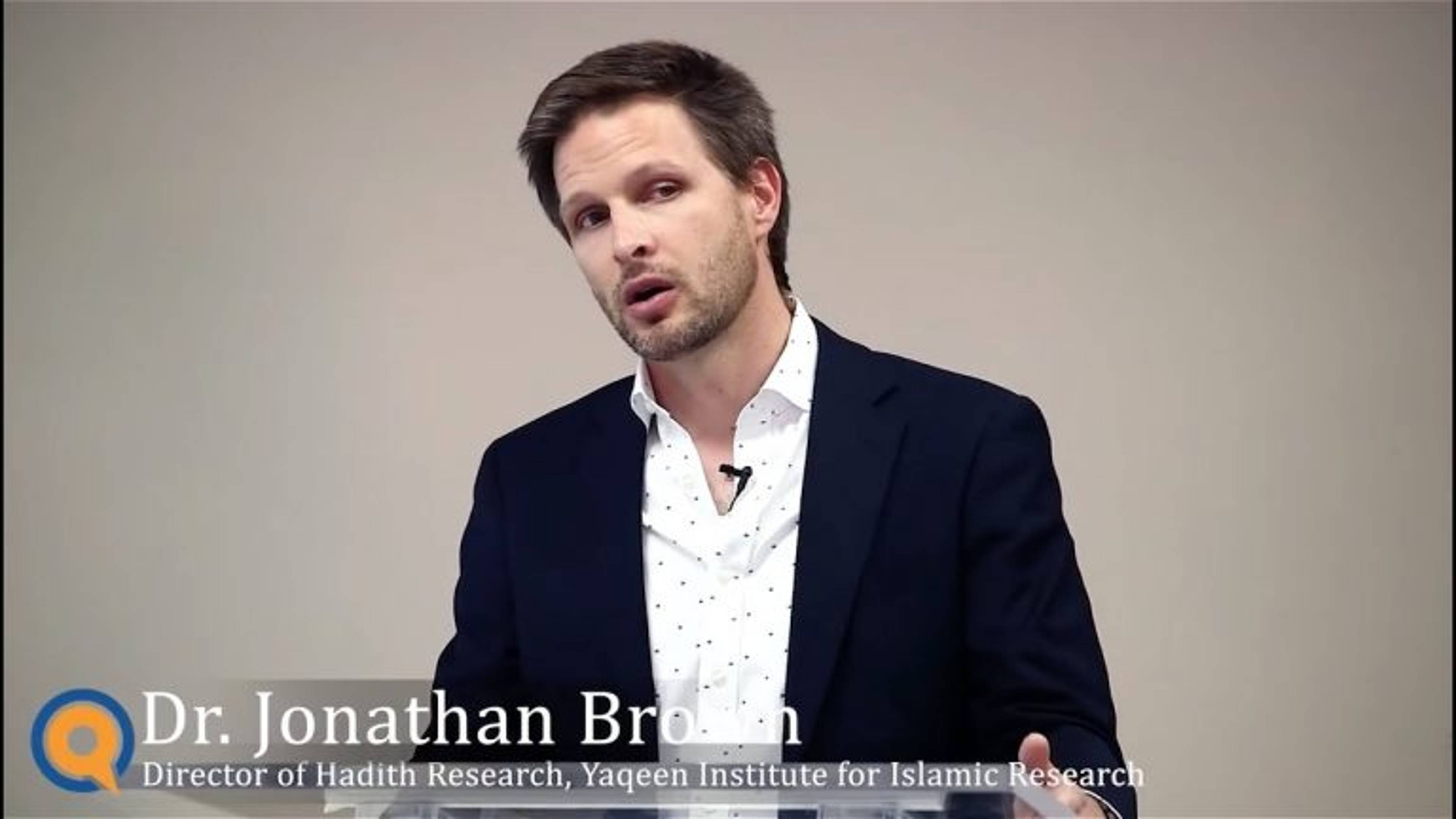
Dr. Jonathan Brown - How to Approach Hadith - Verifying and Understanding Hadith
Religious Minorities Under Islamic Rule - Tesneem Alkiek

Reviving a Lost Sunnah: Adoption and Foster Care in Islam
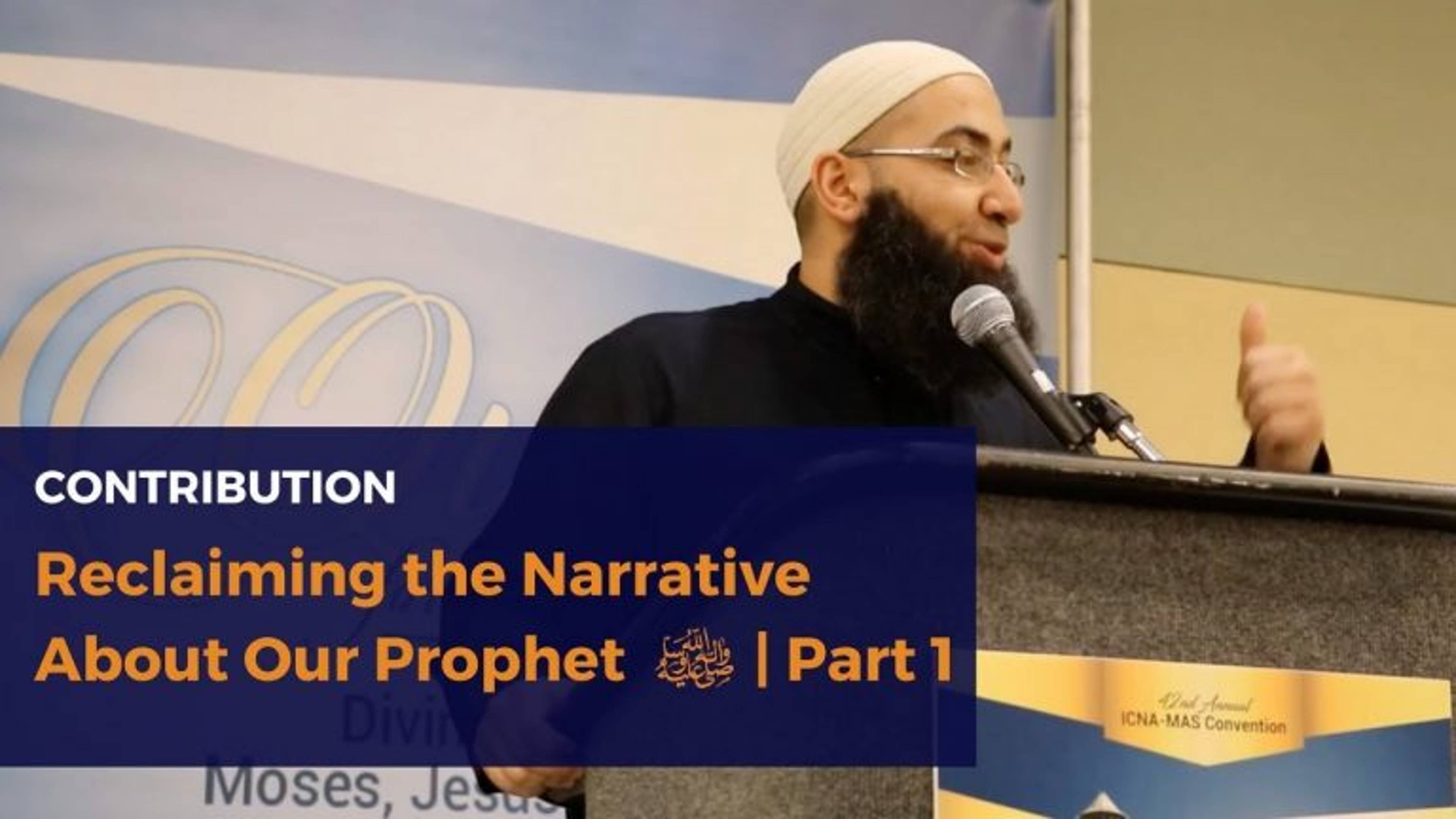
Reclaiming the Narrative About Our Prophet ﷺ | Part 1
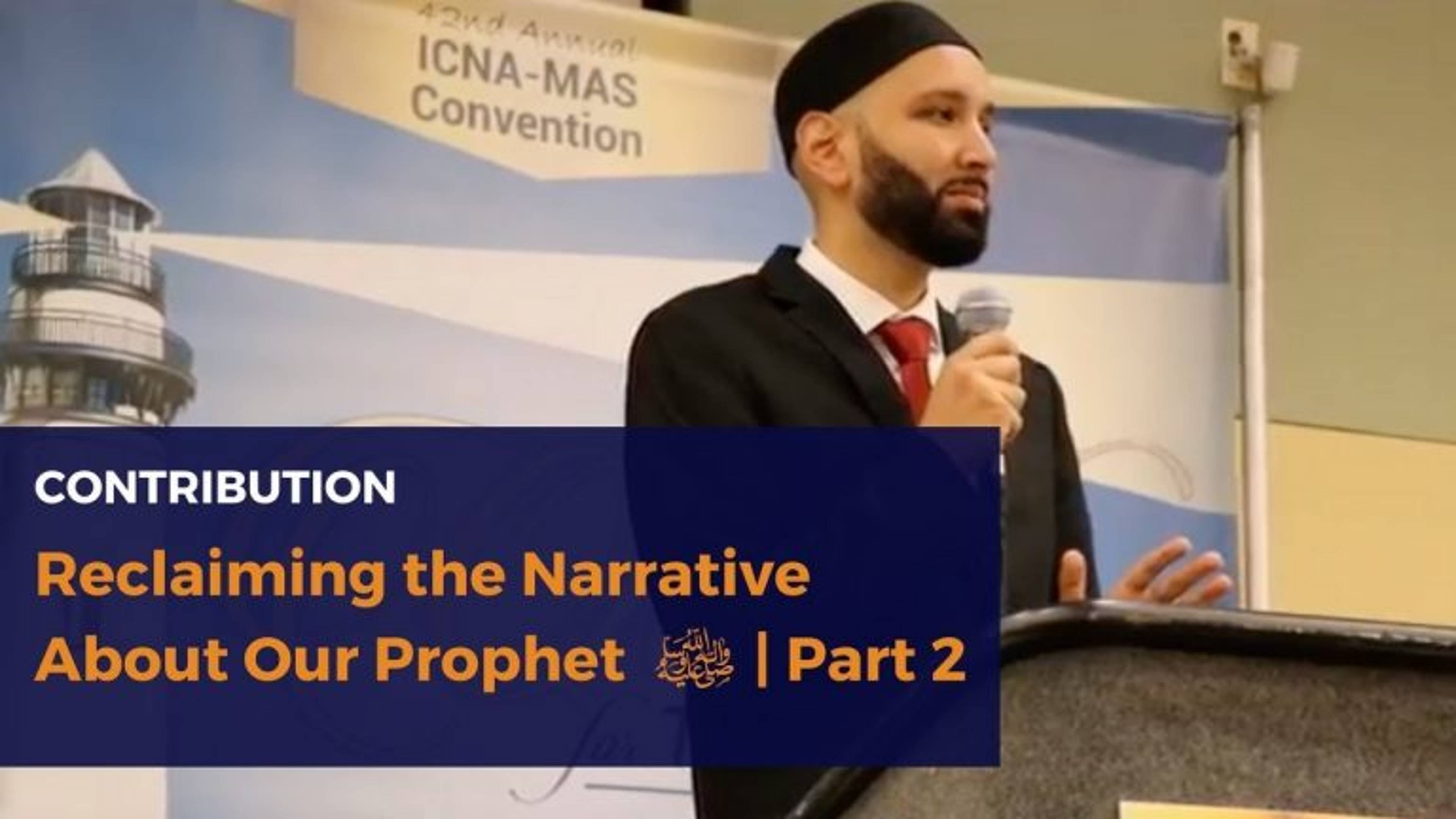
Reclaiming the Narrative About Our Prophet ﷺ | Part 2
Why Do Innocent People Suffer? - Sh Omar Suleiman
Repentance in Islam, Tawbah A Cornerstone of Faith - Roohi Tahir | 16th MAS-ICNA Convention
Dealing with Isolation: Learning from Islam’s Original Converts - Omar Suleiman | Lecture
Does Islam Need Saving? An Analysis of Human Rights | Nour Soubani | 16th MAS-ICNA Convention
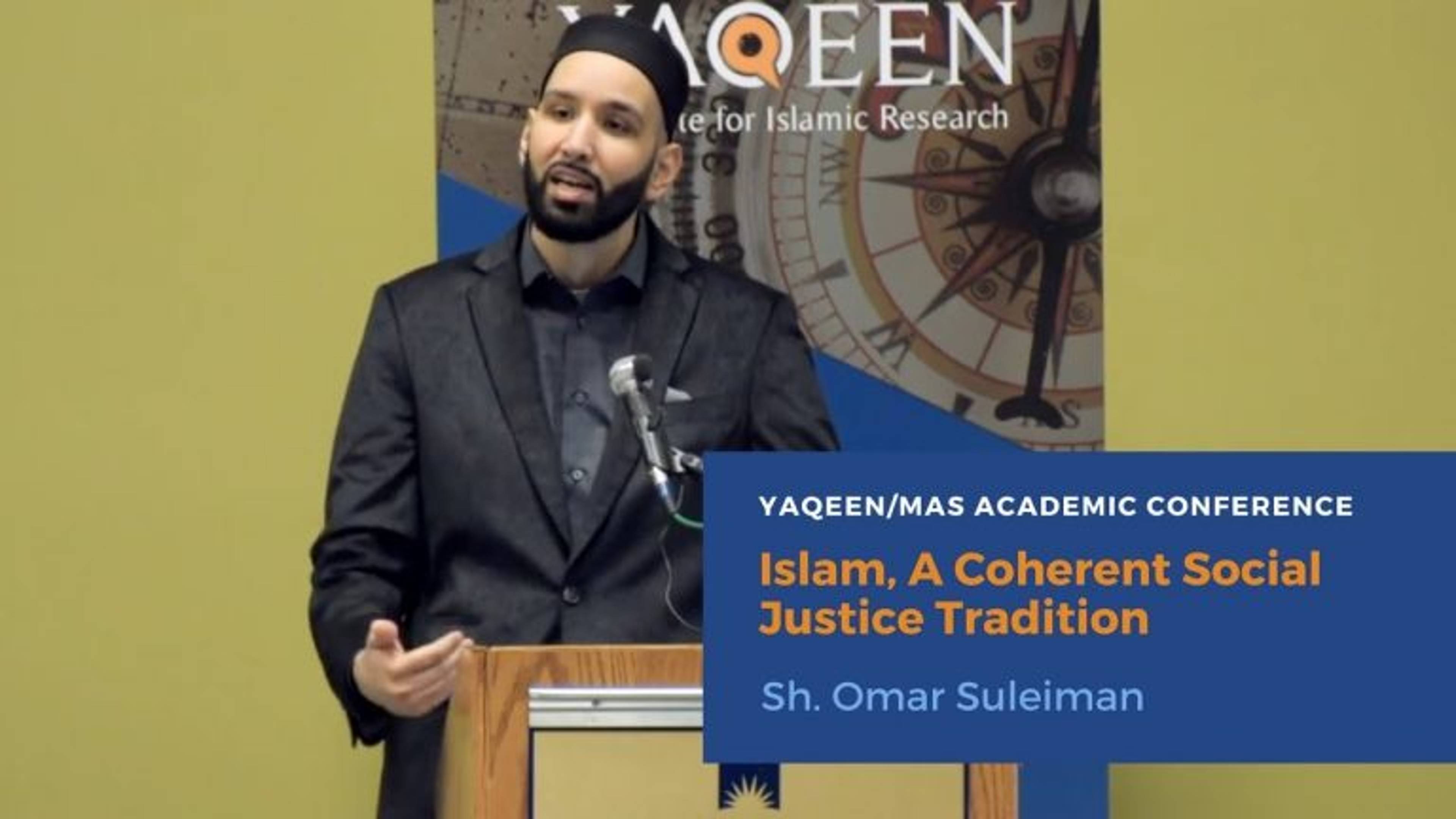
Islam, A Coherent Social Justice Tradition | Omar Suleiman | 16th MAS-ICNA Convention
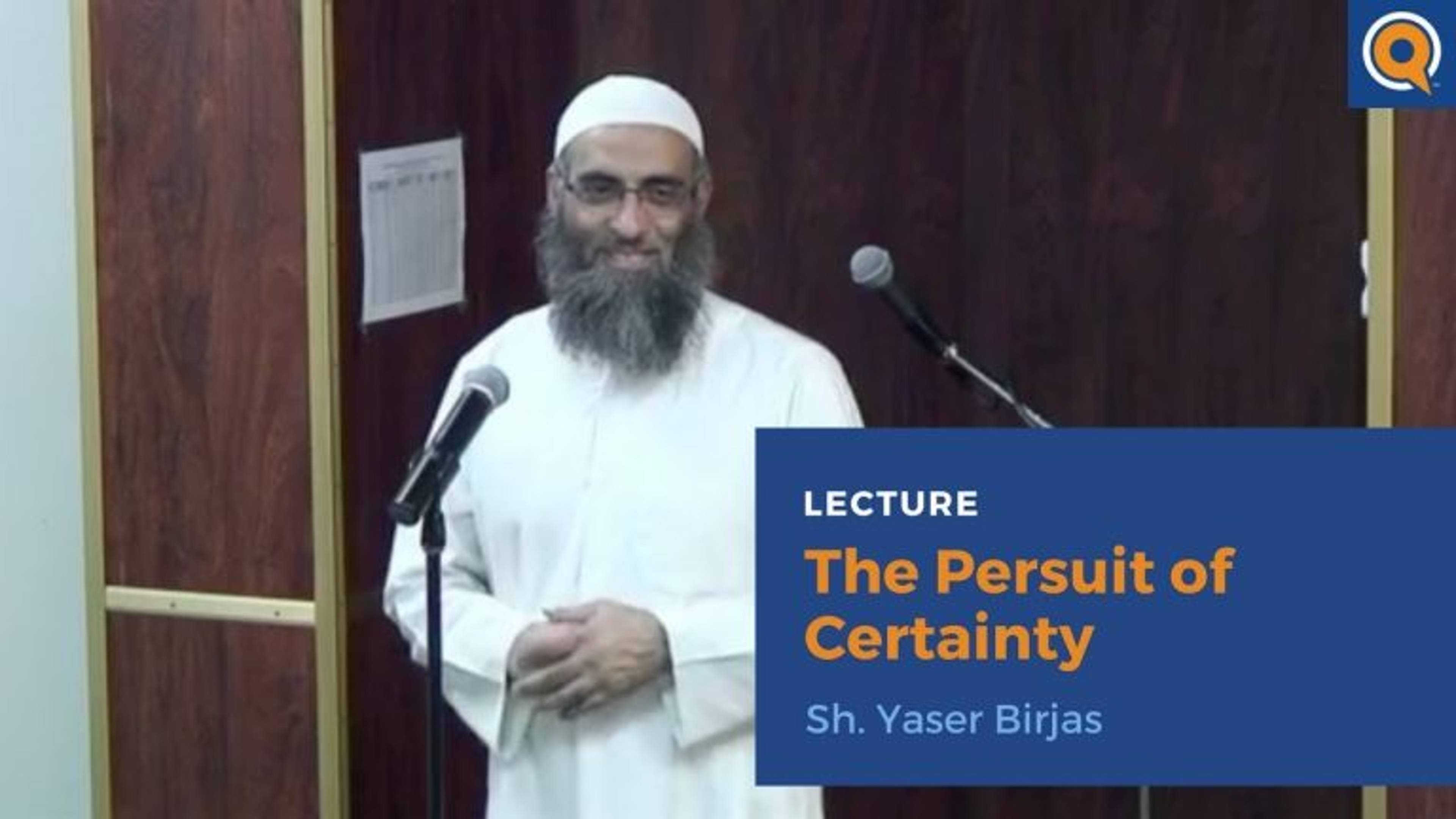
The Pursuit of Certainty - Sh. Yaser Birjas | Lecture
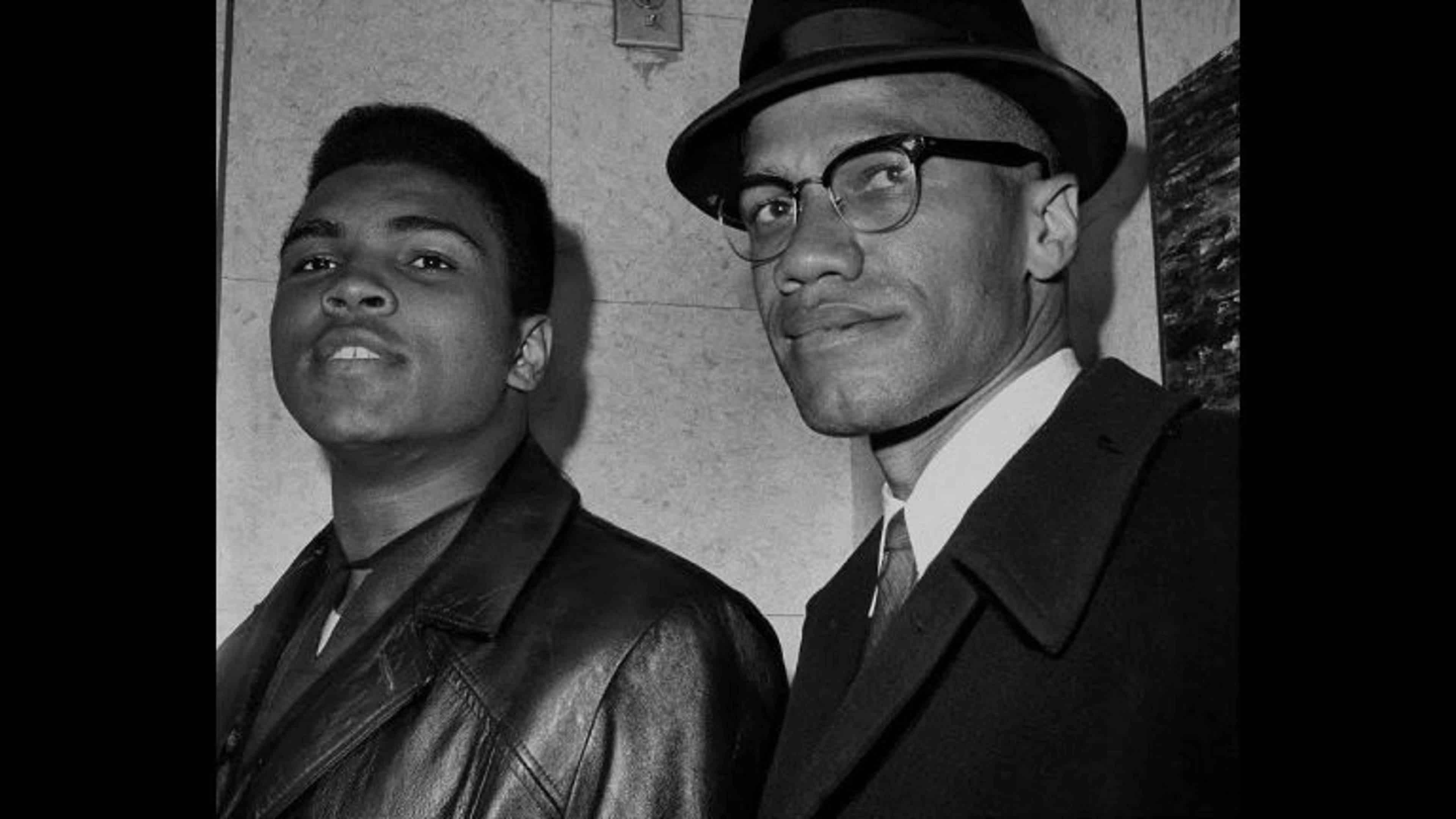
Seeds of Greatness: Malcolm X and Muhammad Ali
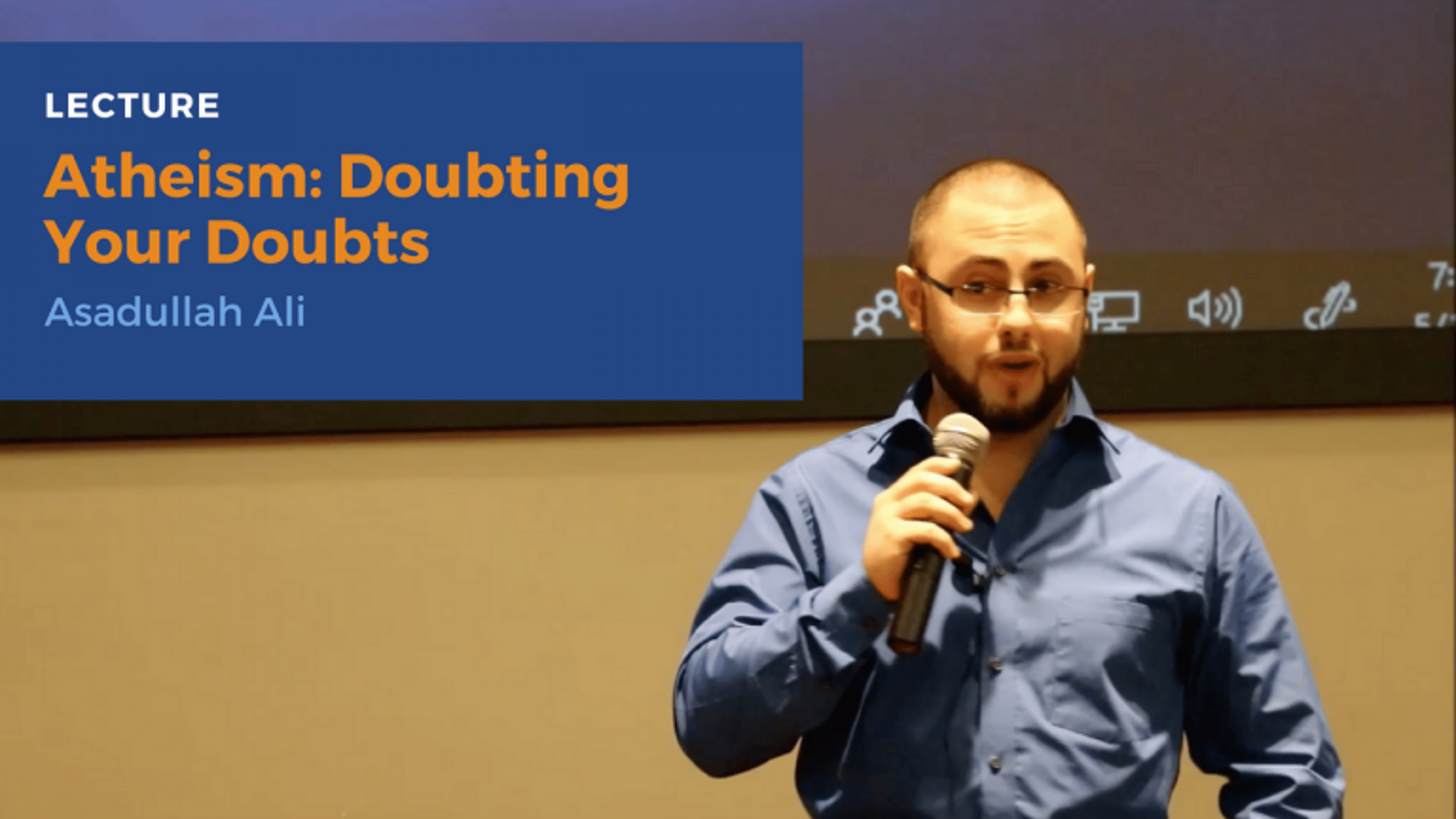
Atheism: Doubting Your Doubts - Asadullah Ali | Yaqeen in NY
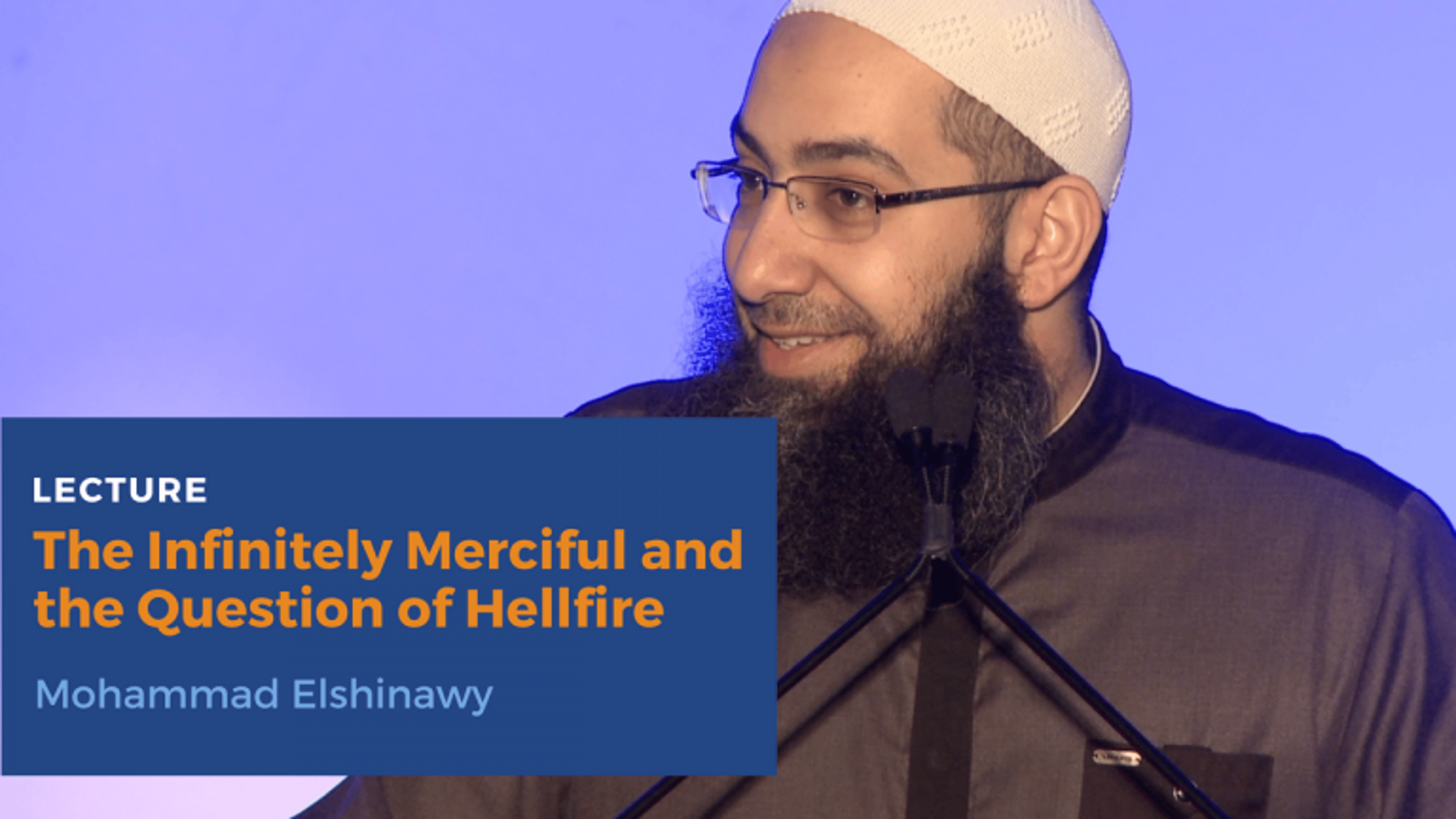
The Infinitely Merciful and the Question of Hellfire - Mohammad Elshinawy | YM Youth Conference 2017
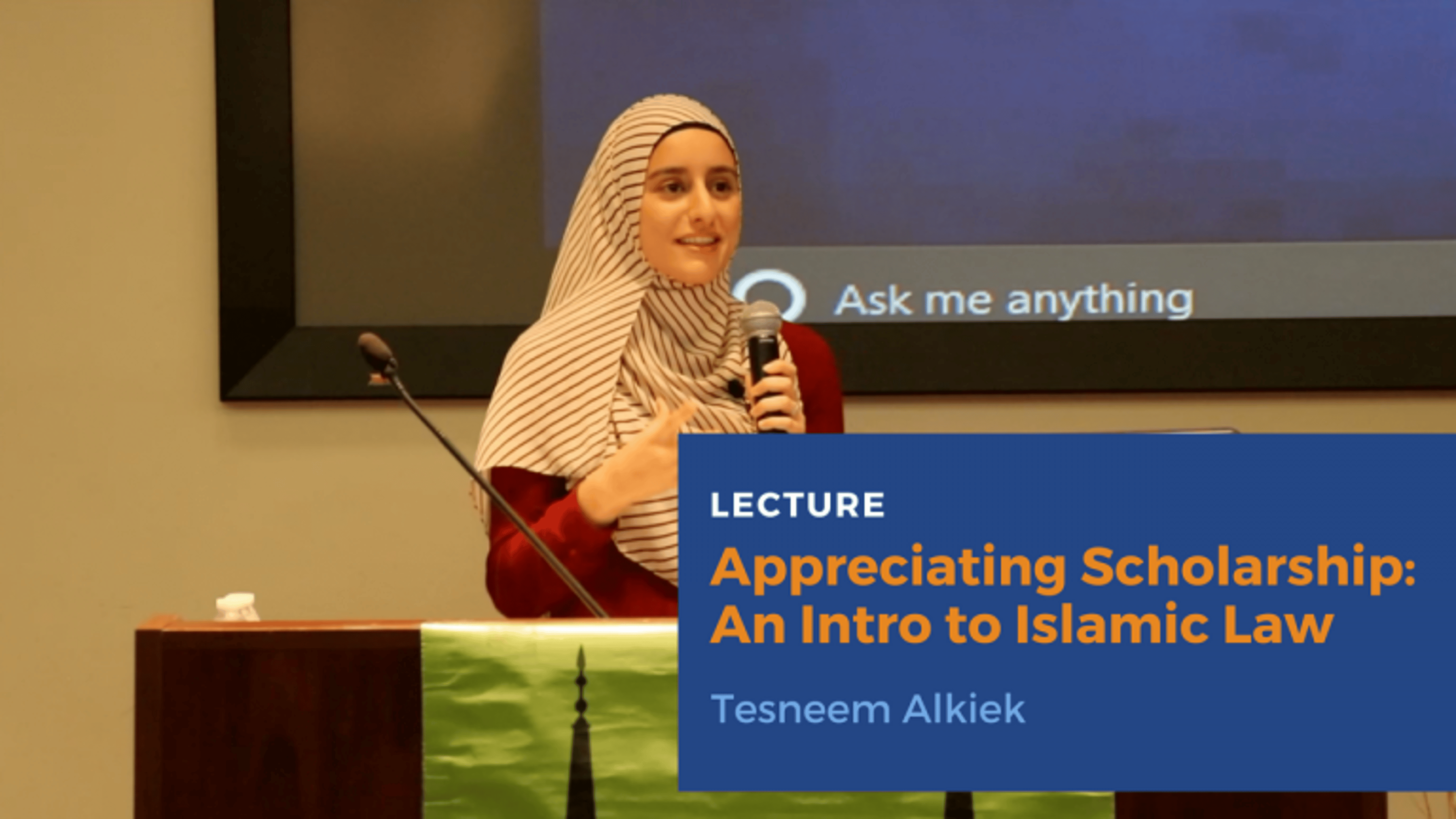
Appreciating Scholarship: Intro to Islamic Law - Tesneem Alkiek | Yaqeen in NY
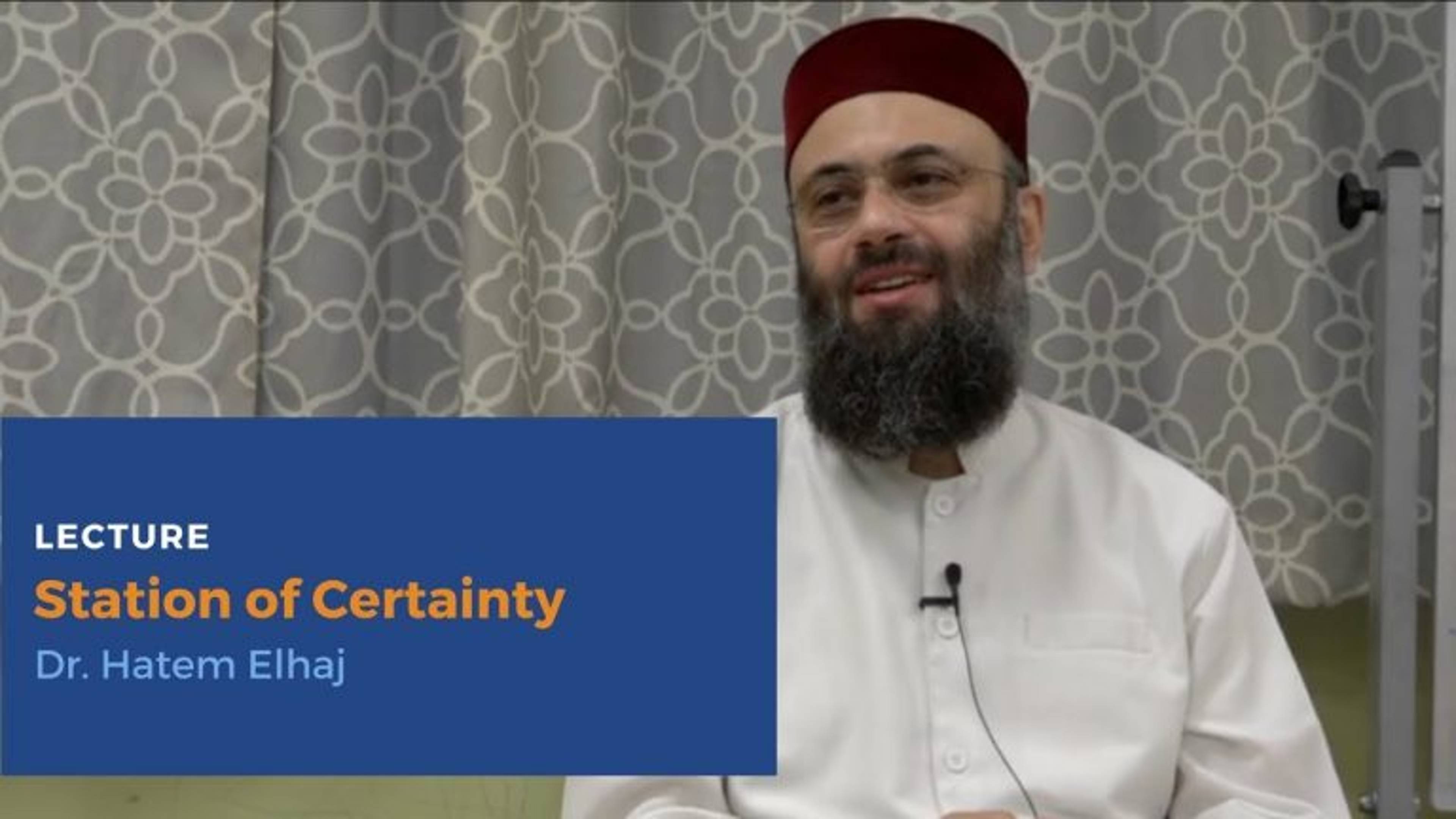
Station of Certainty | Lecture
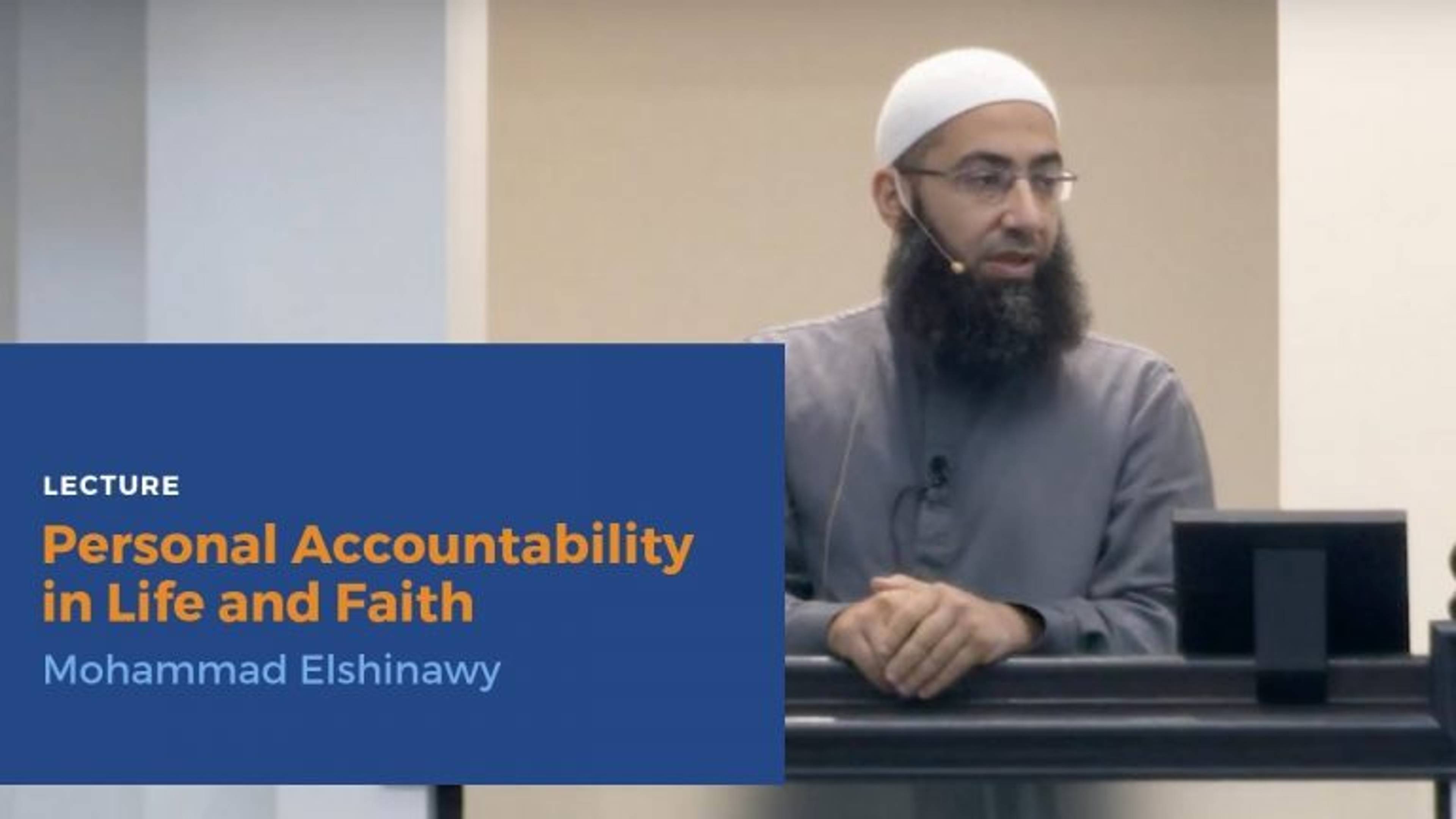
Personal Accountability in Life and Faith - Sh. Mohammad Elshinawy | Lecture
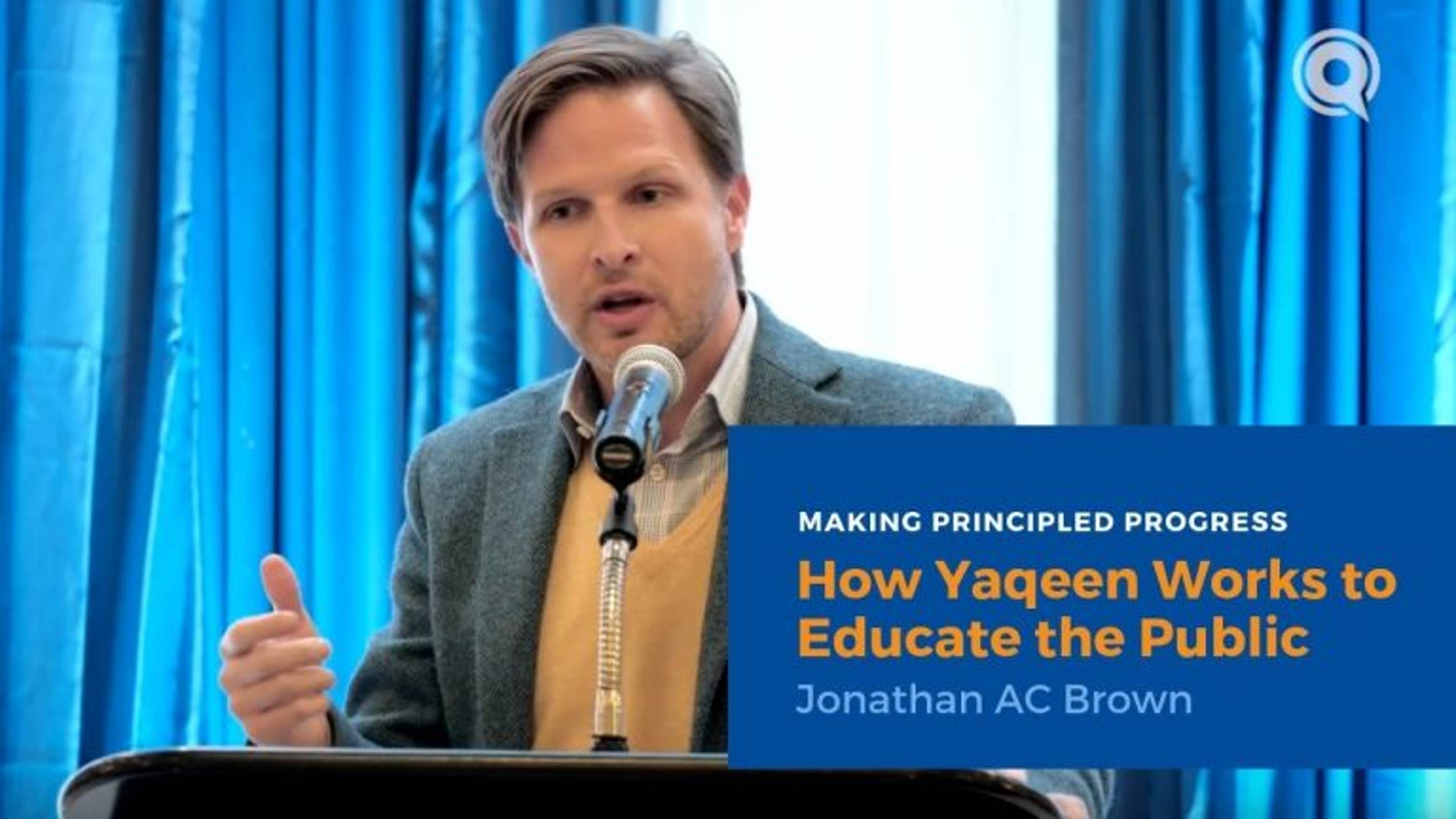
How Yaqeen Works to Educate the Public - Dr. Jonathan A.C. Brown | Making Principled Progress
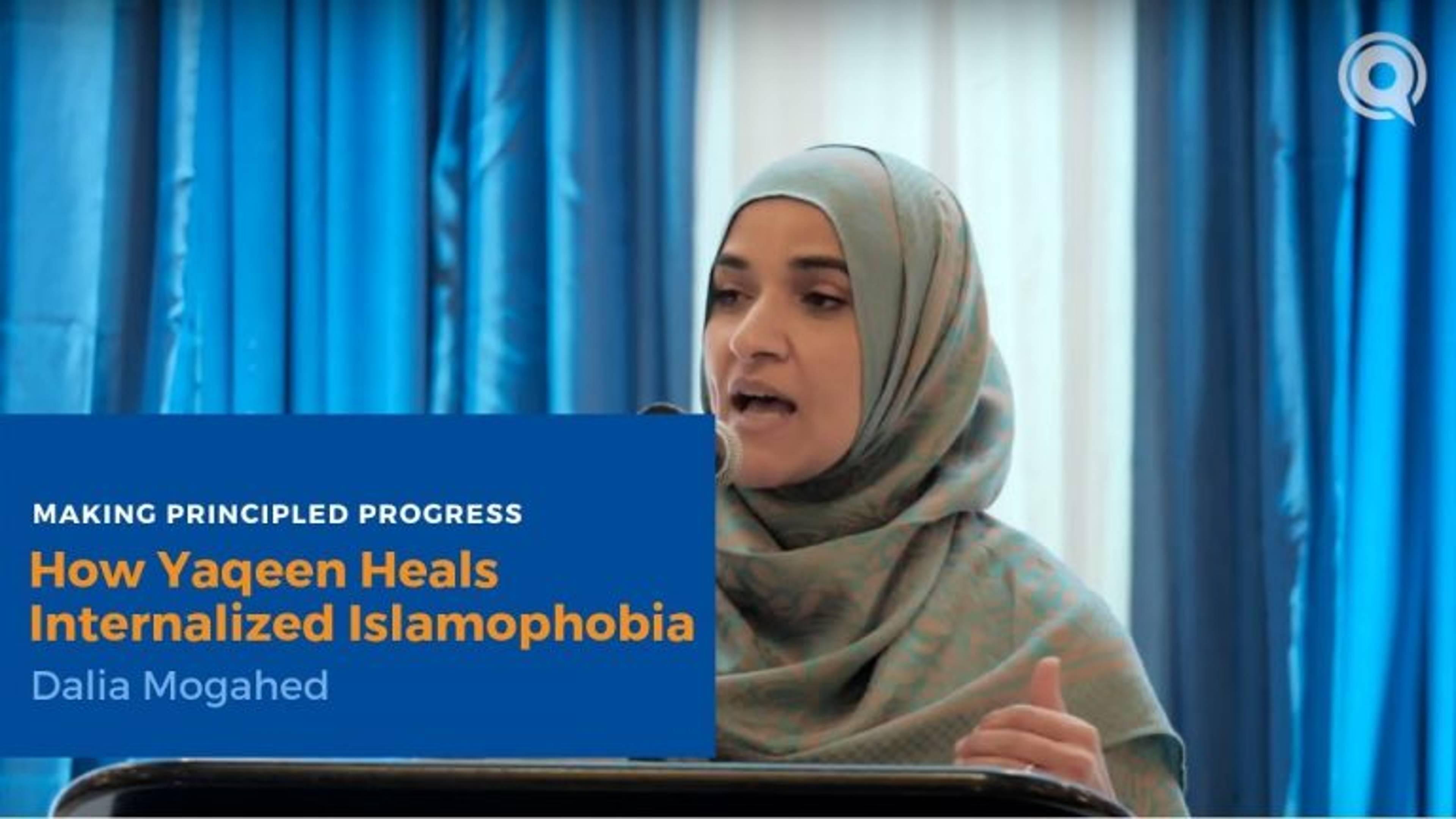
How Yaqeen Heals Internalized Islamophobia - Dalia Mogahed | Making Principled Progress
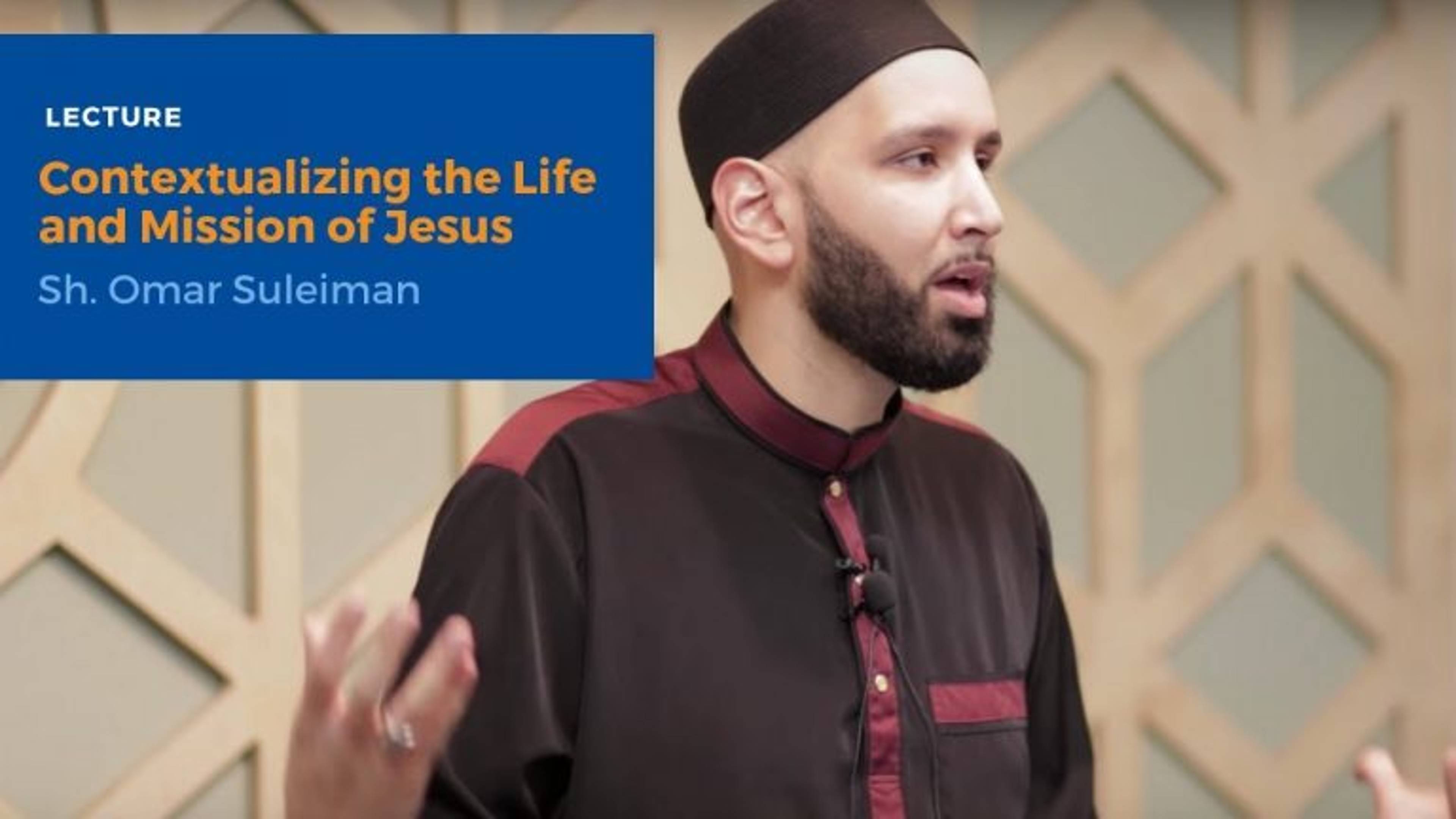
Contextualizing the Life and Mission of Jesus | Lecture
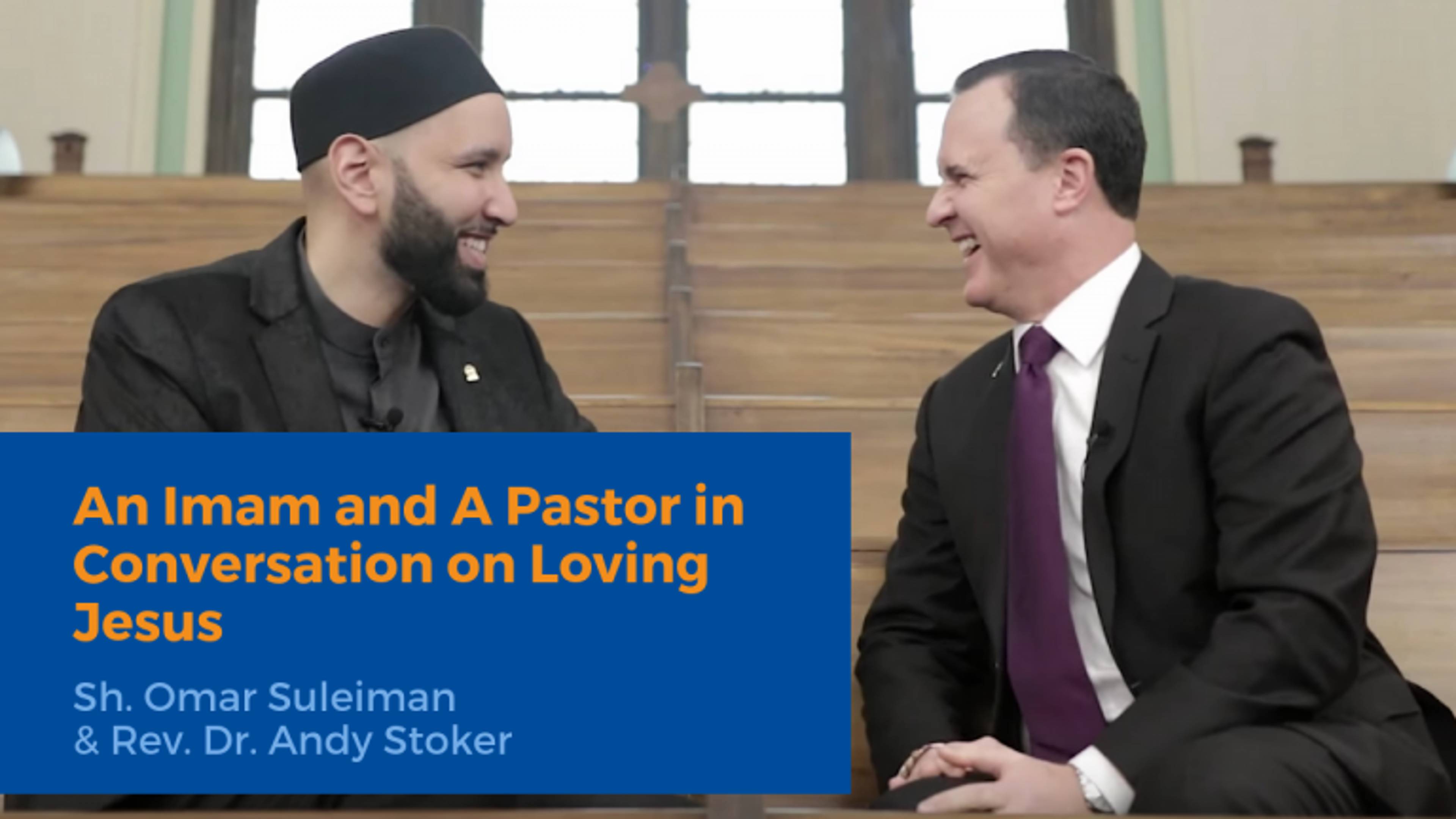
An Imam & A Pastor in Conversation on Loving Jesus
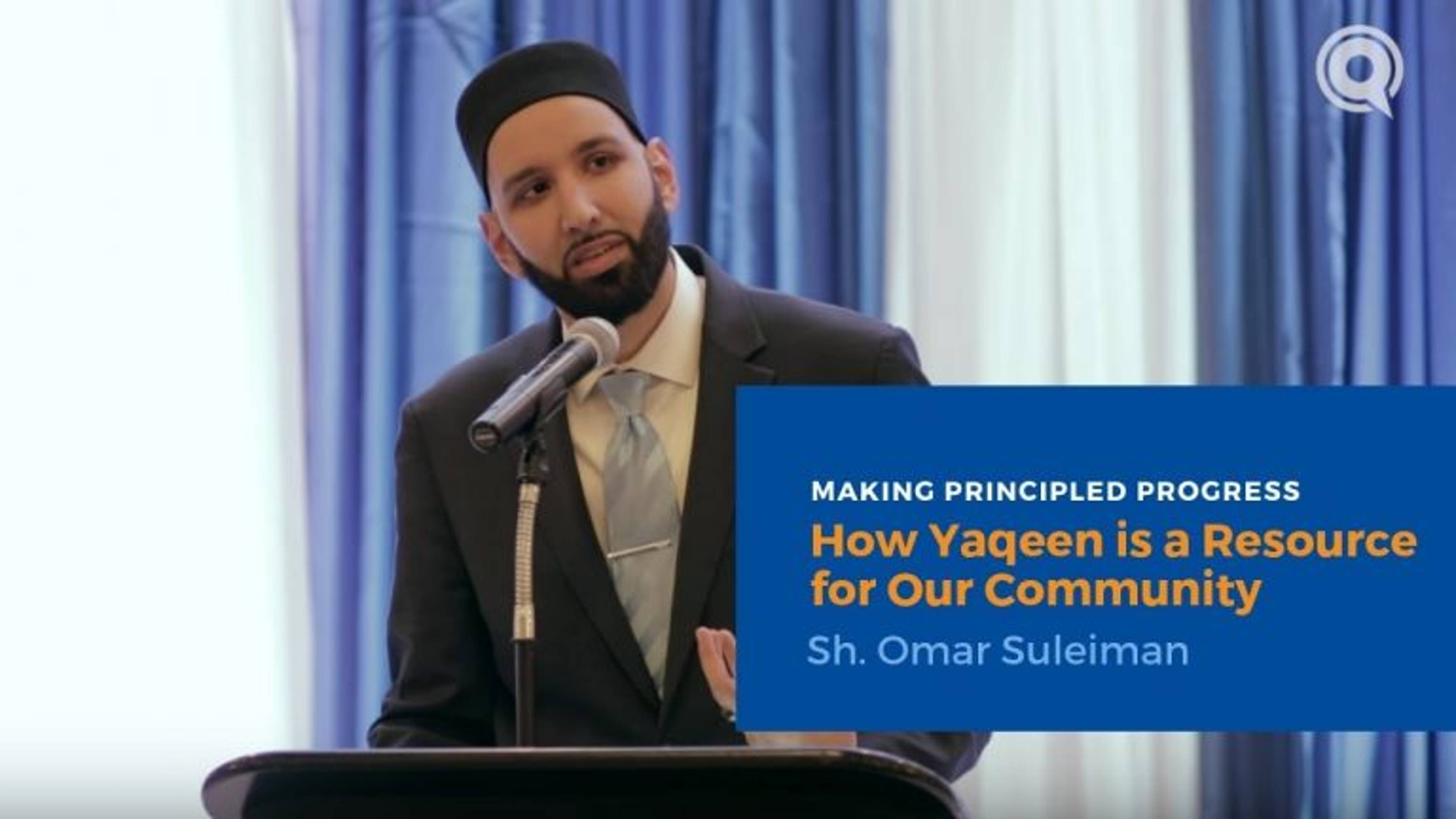
How Yaqeen is a Resource for Our Community - Sh. Omar Suleiman | Making Principled Progress
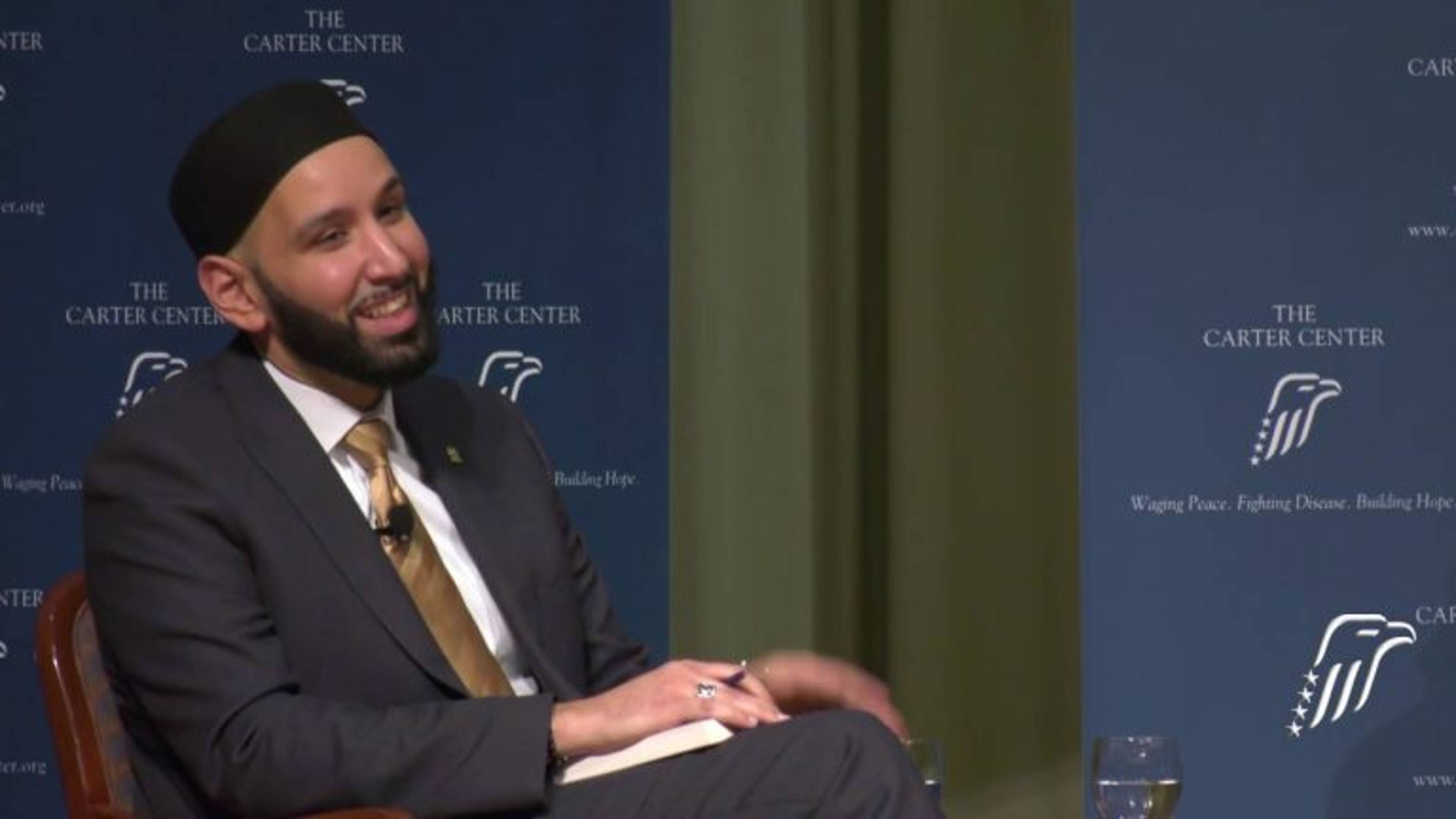
Conversations at The Carter Center: Harmonizing Religion and Human Rights
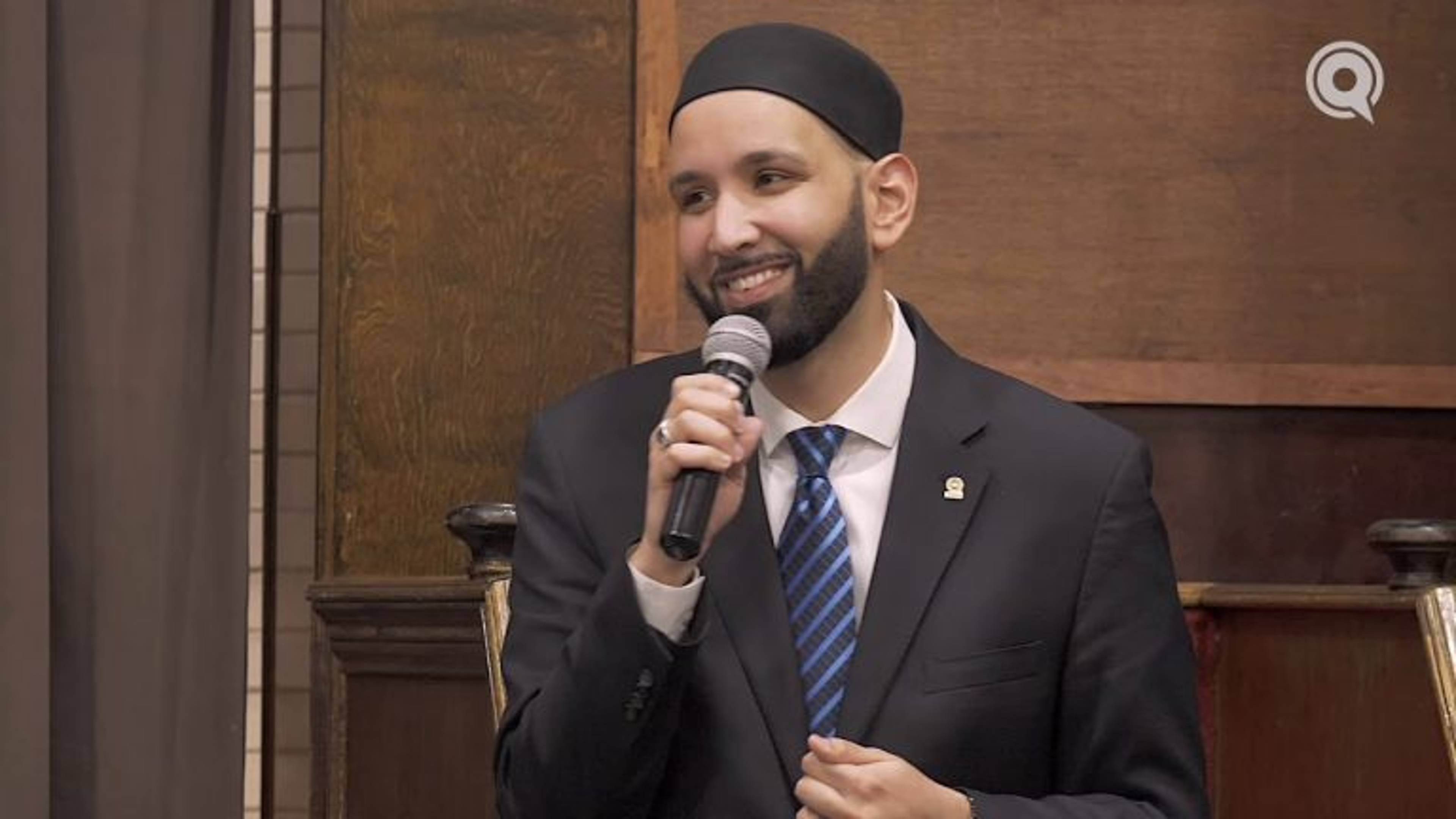
Meaningful Solidarity - Sh. Omar Suleiman | Lecture
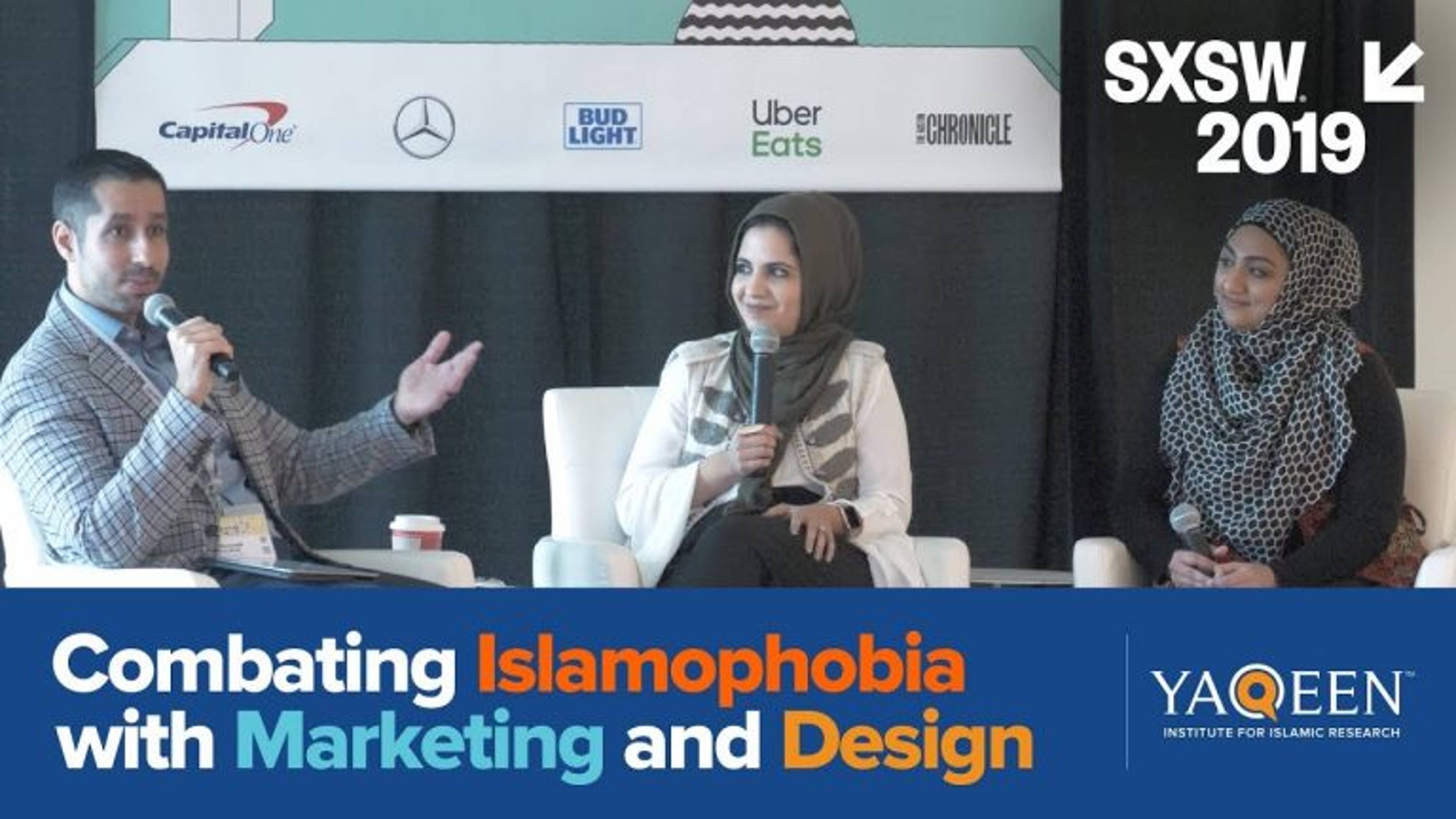
Combating Islamophobia with Marketing and Design | #SXSW19
Racism in Our Ranks | Khutbahs with Purpose
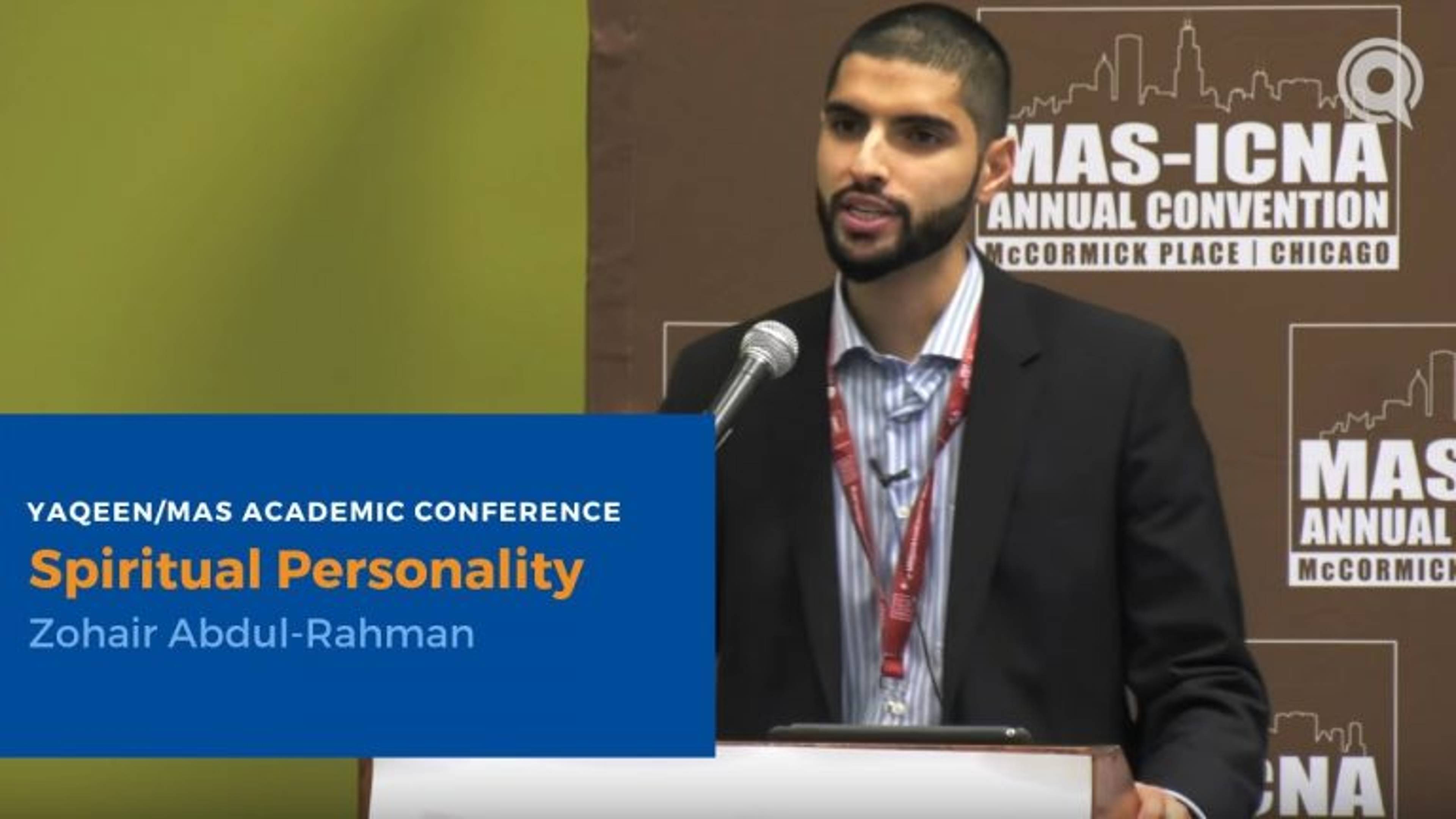
Spiritual Personality - Zohair Abdul-Rahman | 2018 Yaqeen/MAS Academic Conference
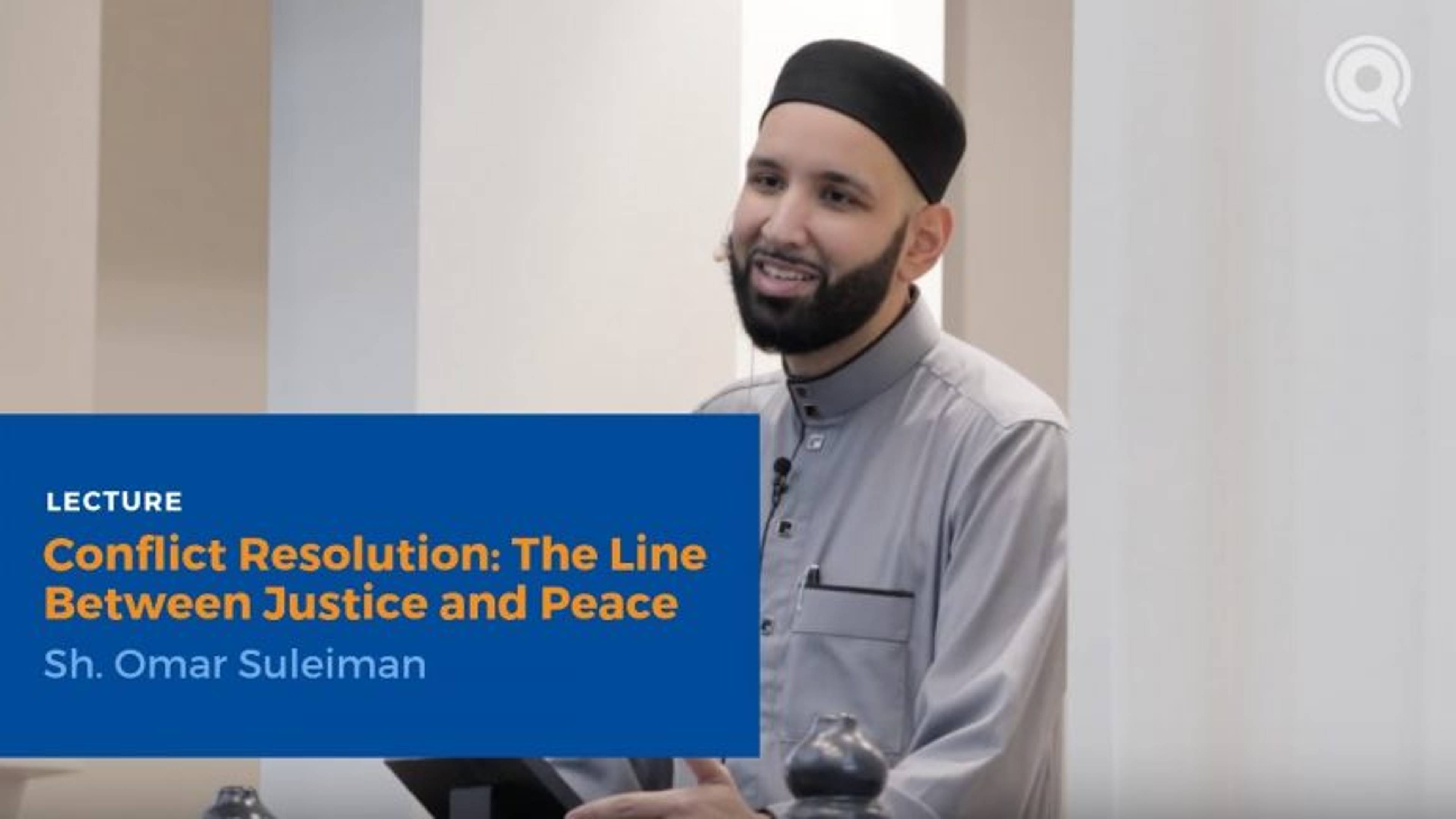
Conflict Resolution: The Line Between Justice and Peace - Sh. Omar Suleiman | Lecture
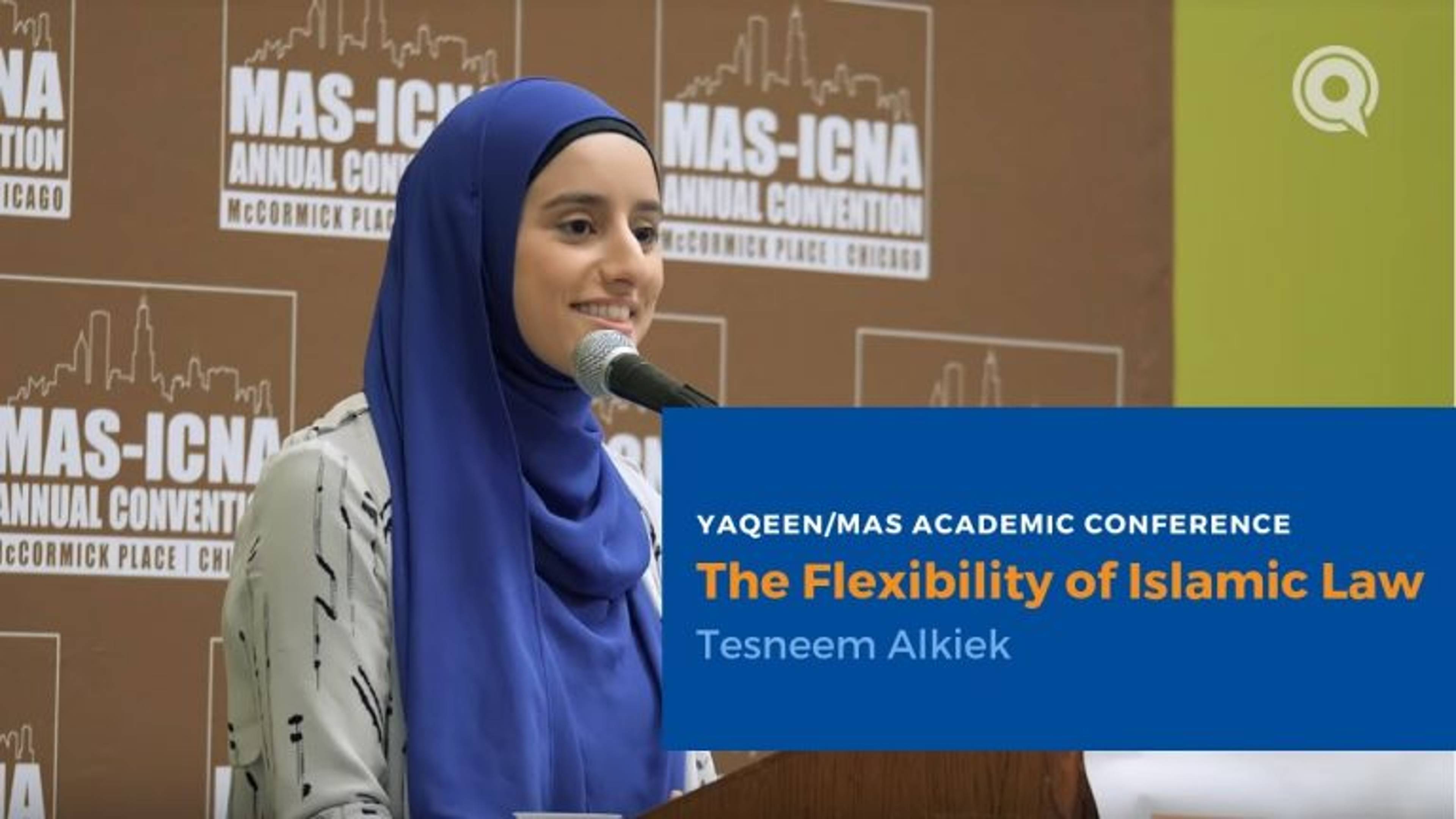
The Flexibility of Islamic Law - Tesneem Alkiek | 2018 Yaqeen/MAS Academic Conference
To Know Him is to Love Him | Introduction by Sh. Omar Suleiman
The Role of Parents in Instilling Faith - Roohi Tahir | Yaqeen/MAS Academic Conference
Perfection and Beauty | Episode 1 | To Know Him is to Love Him
Hope and Potential | Episode 2 | To Know Him is to Love Him
Bonds and Relations | Episode 3 | To Know Him is to Love Him
The Story of Hajar: Uncovering Certainty in Uncertainty - Sh. Omar Suleiman | Lecture
Gracious Dealings | Episode 4 | To Know Him is to Love Him
Gift Giving | Episode 5 | To Know Him is to Love Him

The Generous | Episode 6 | To Know Him is to Love Him
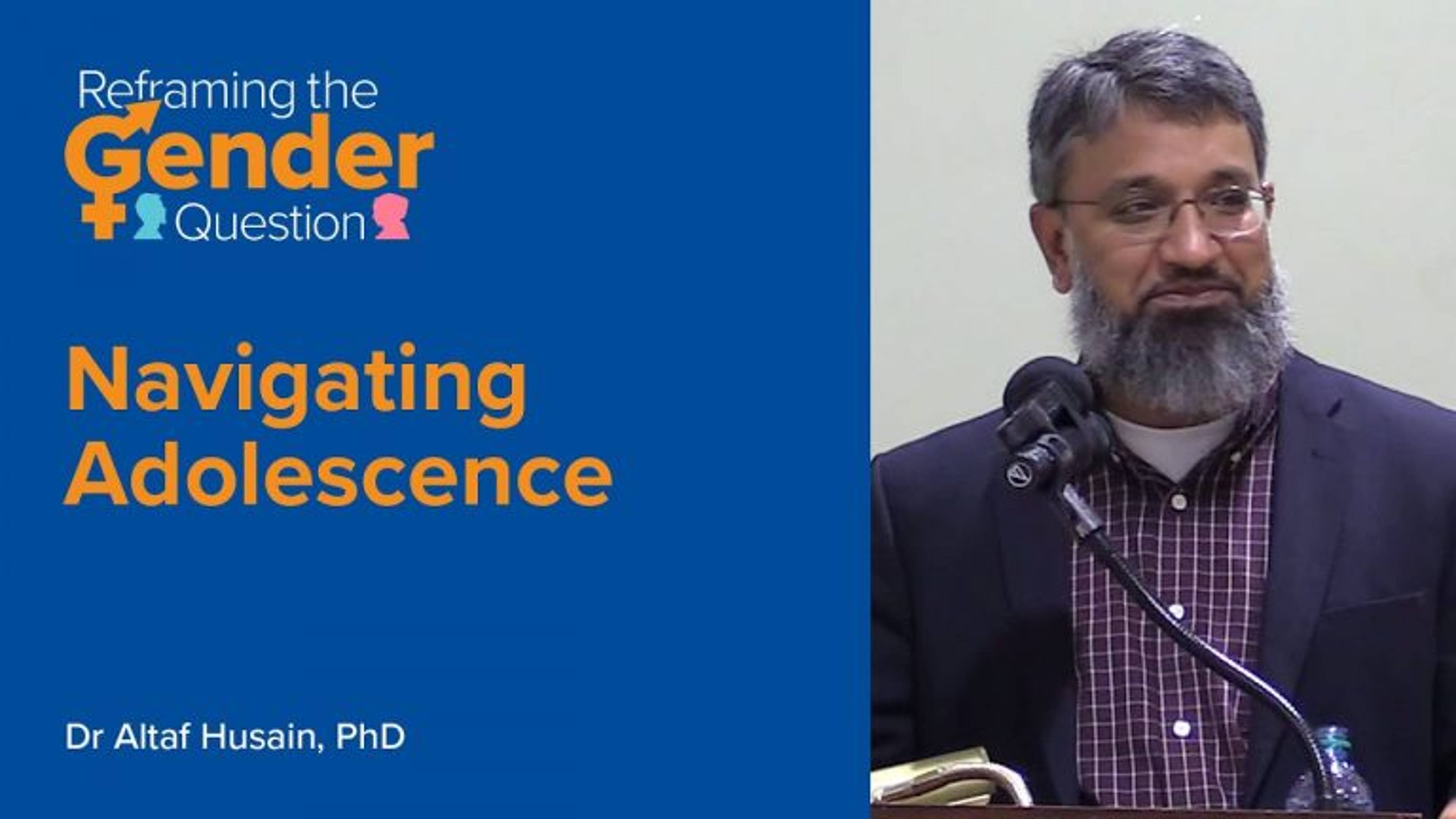
Navigating Adolescence - Dr. Altaf Husain | Reframing the Gender Question
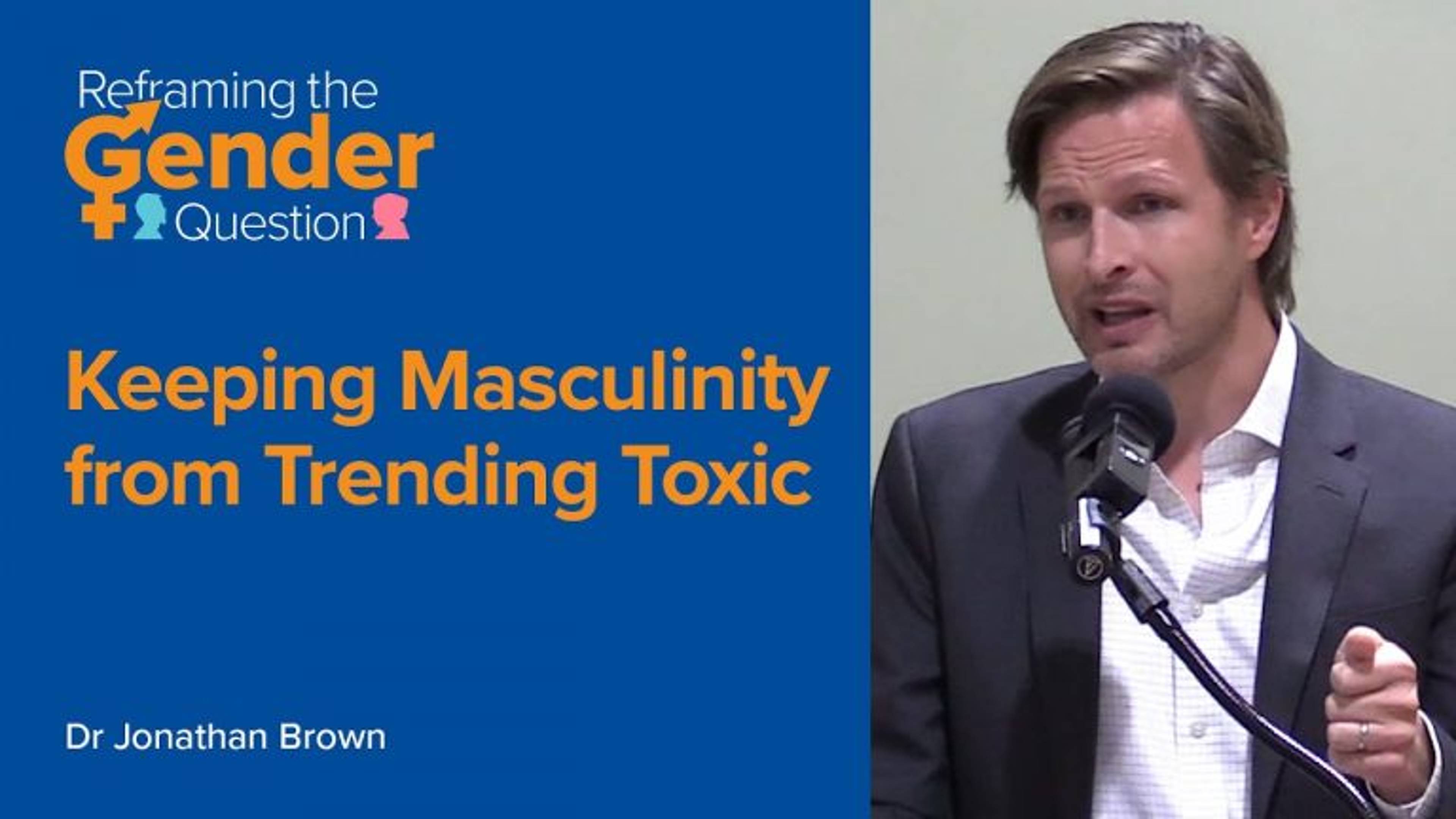
Keeping Masculinity from Trending Toxic - Dr. Jonathan Brown | Reframing the Gender Question
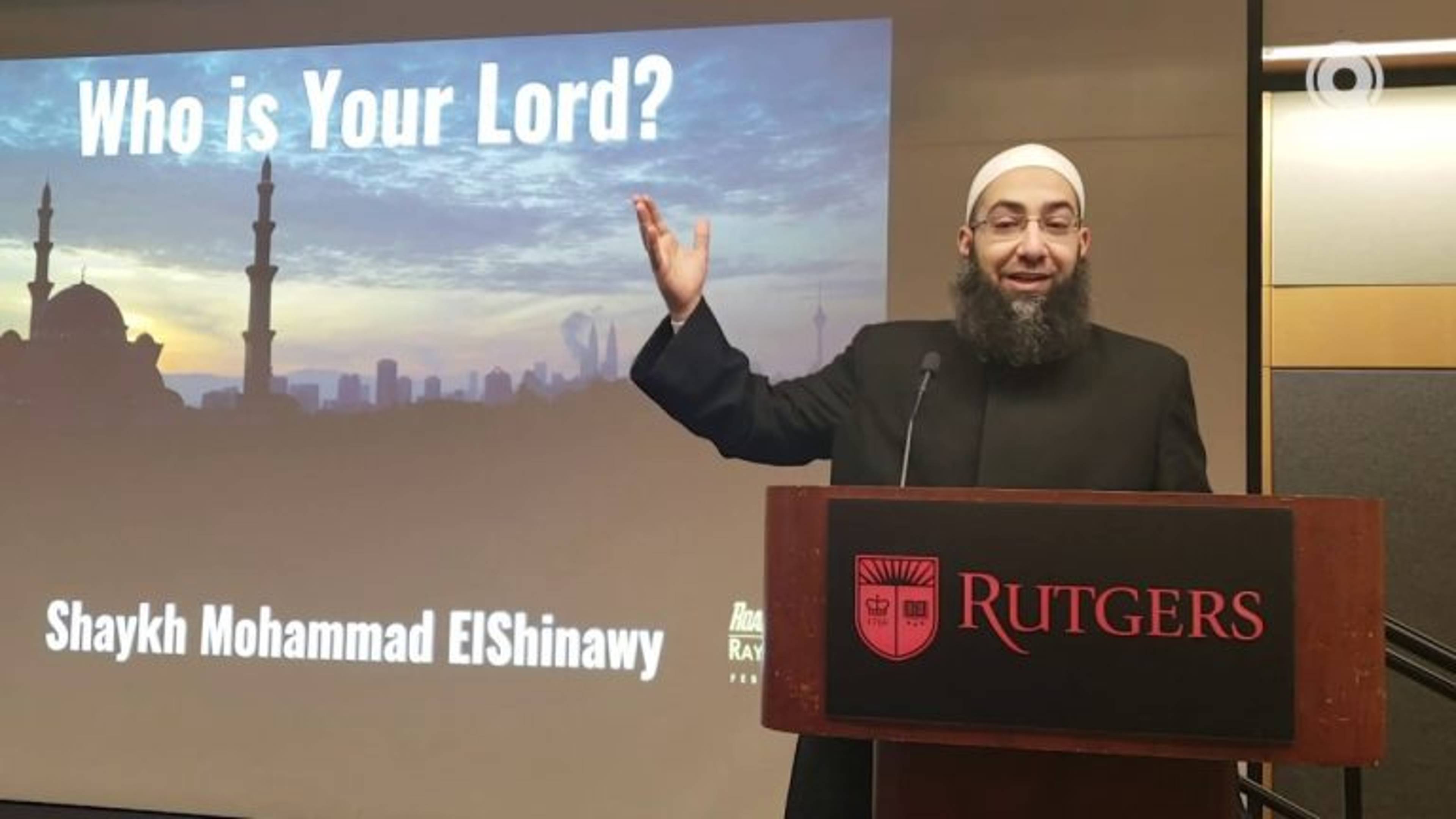
Why Does God Ask People to Worship Him? - Sh. Mohammad Elshinawy | Lecture
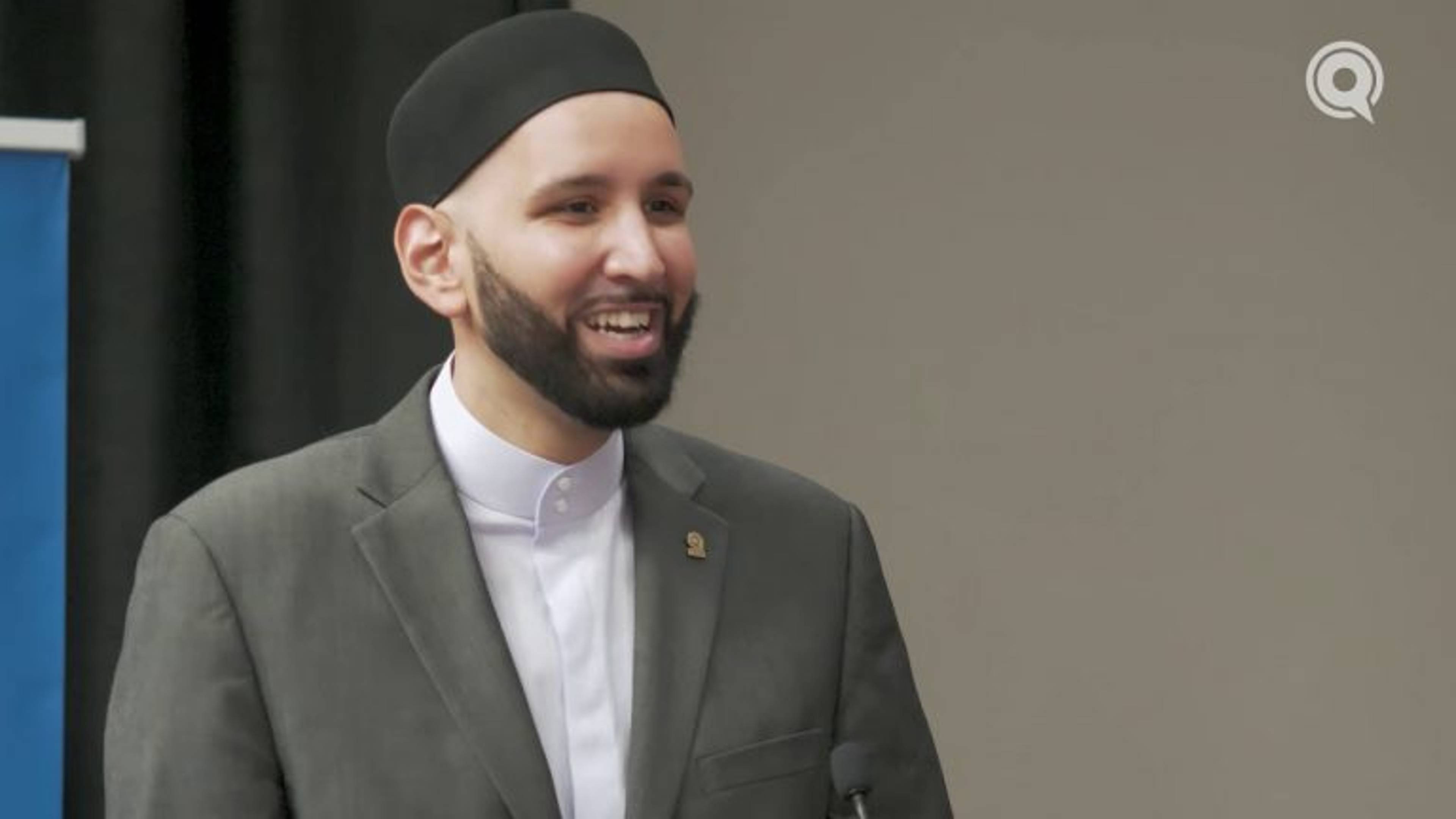
Addressing the Topic of Trauma and Faith - Sh. Omar Suleiman | ISNACON 2019
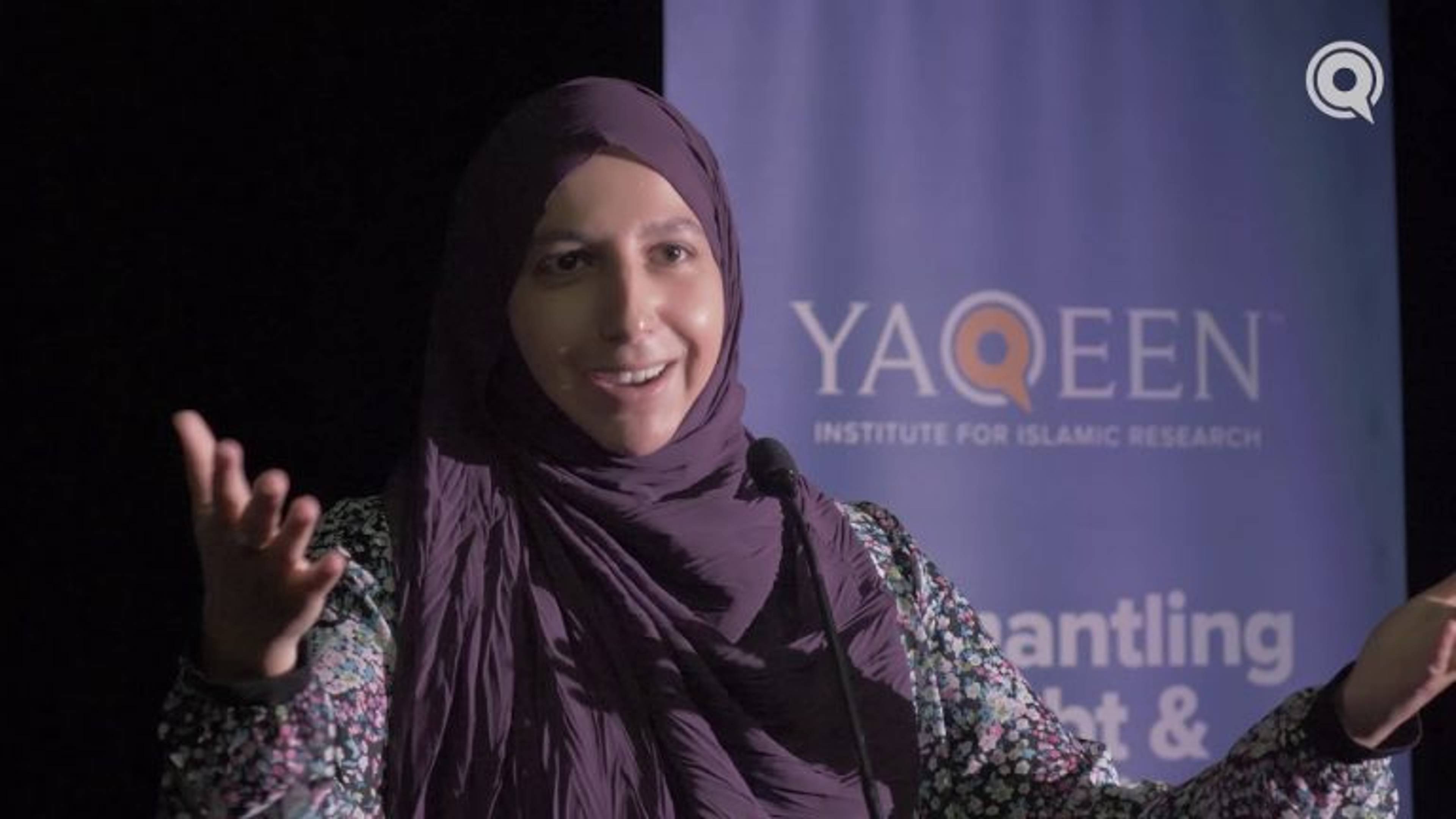
The Impact of Trauma on Faith - Sarah Sultan | ISNACON 2019
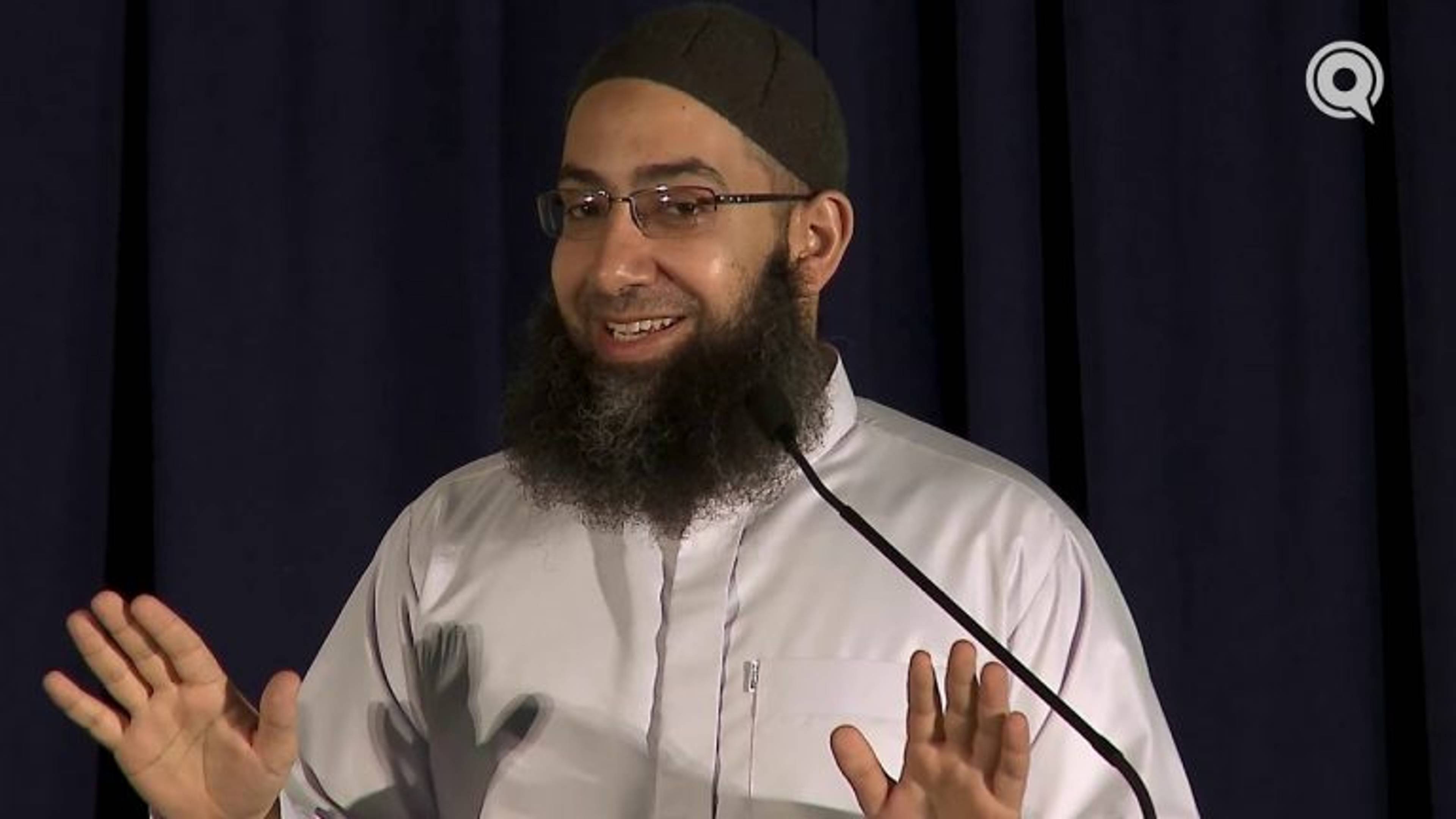
The Rising Tide of Atheism - Sh. Mohammad Elshinawy | ICNA 2019
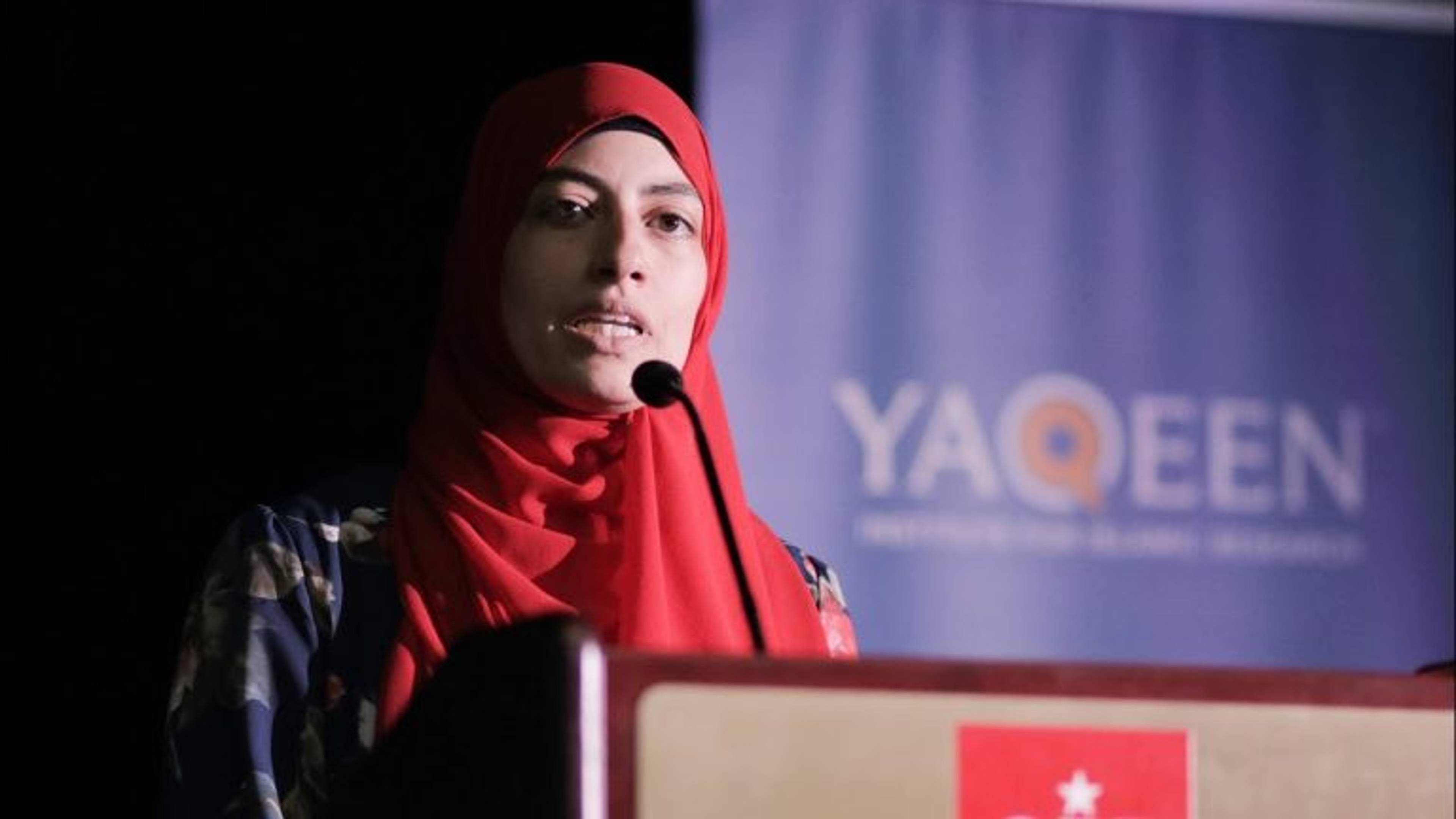
The Duha Approach: A New Model to Treat Trauma - Najwa Awad | ISNACON 2019
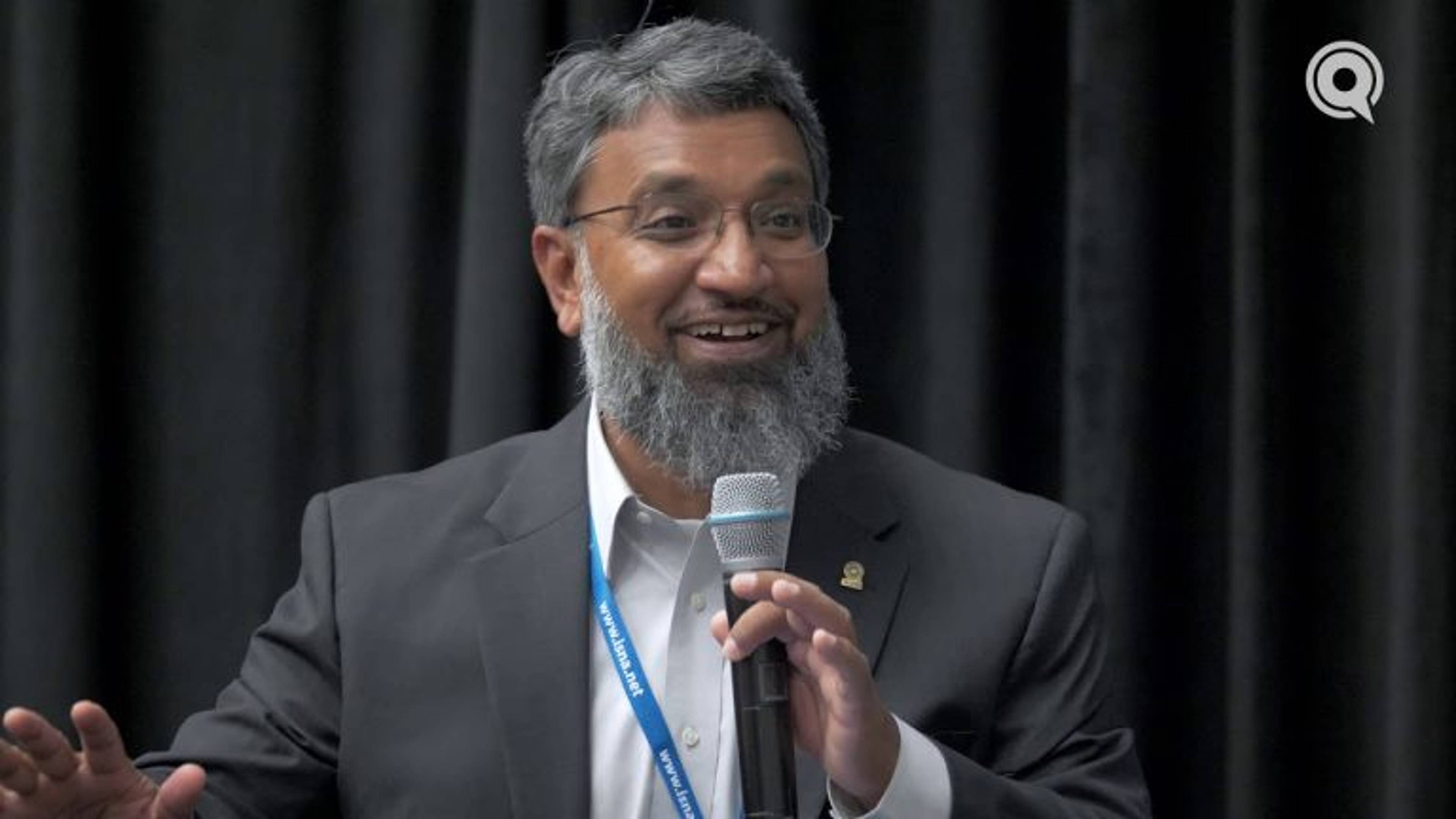
How Islam Addresses Grief - Dr. Altaf Husain | ISNACON 2019
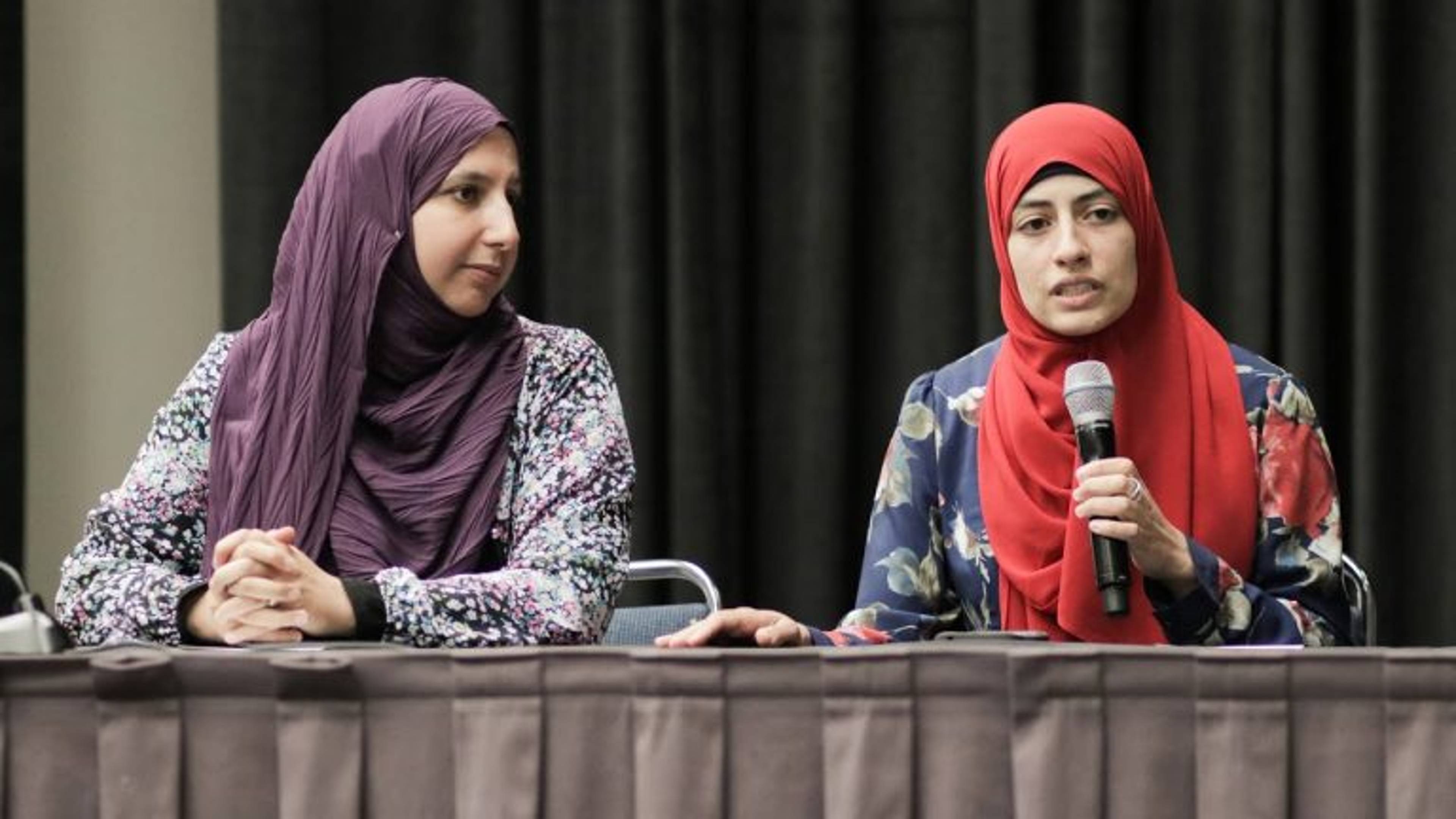
Understanding Traumatic Grief - Najwa Awad | ISNACON 2019
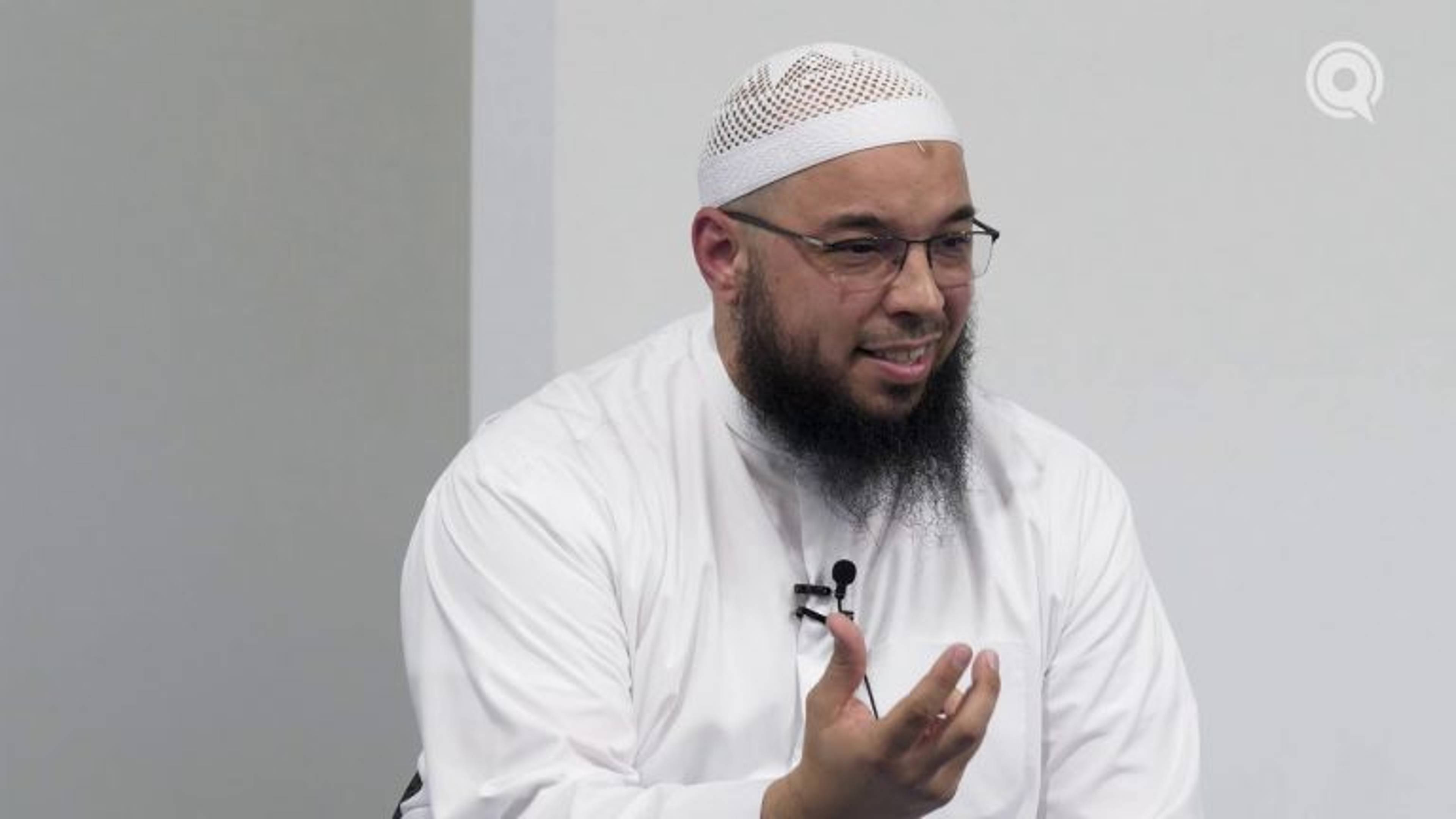
Calling Out to Allah With Meaning - Sh. Tahir Wyatt | Lecture
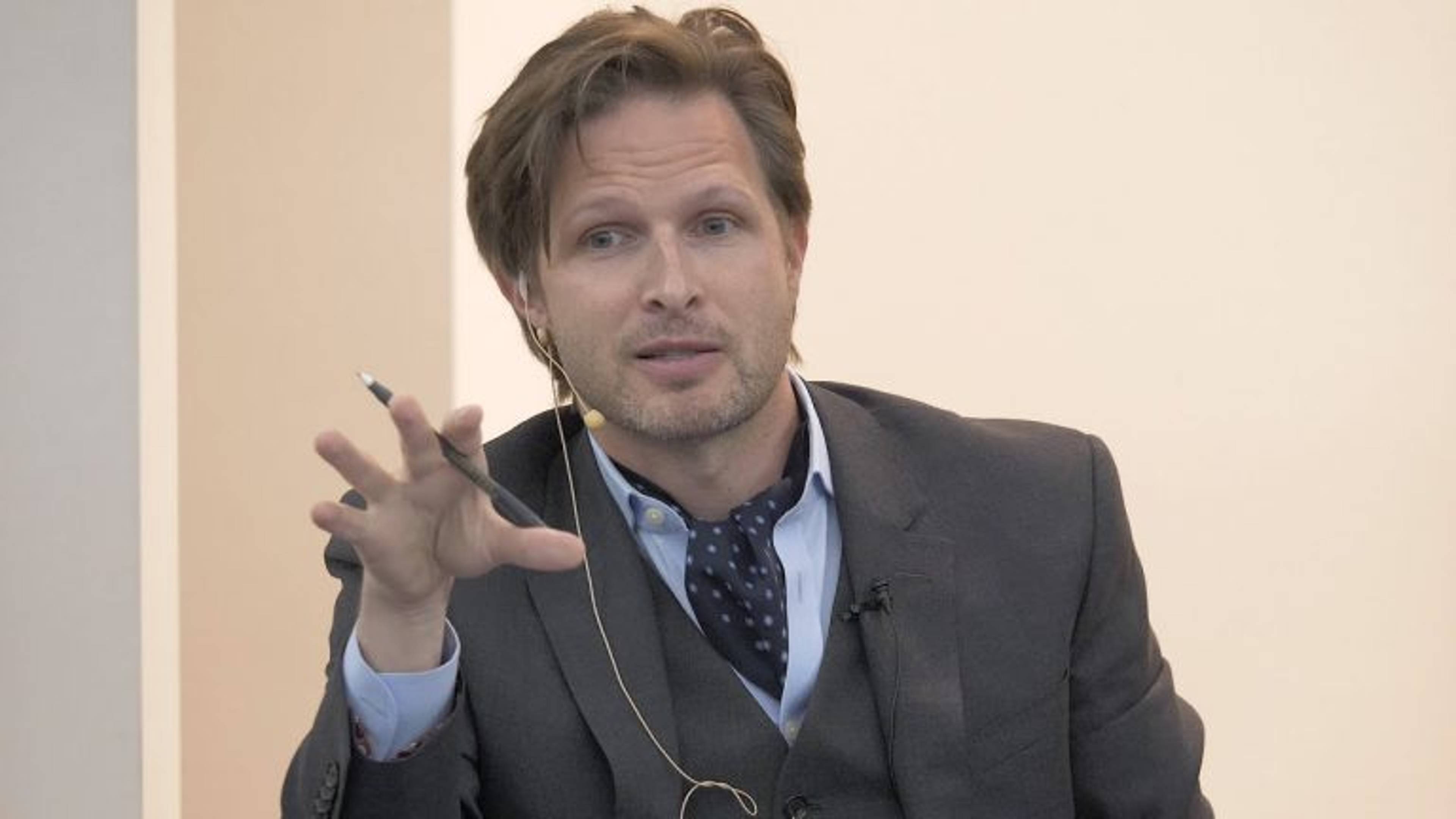
Slavery in Islam - Dr. Jonathan AC Brown | Lecture
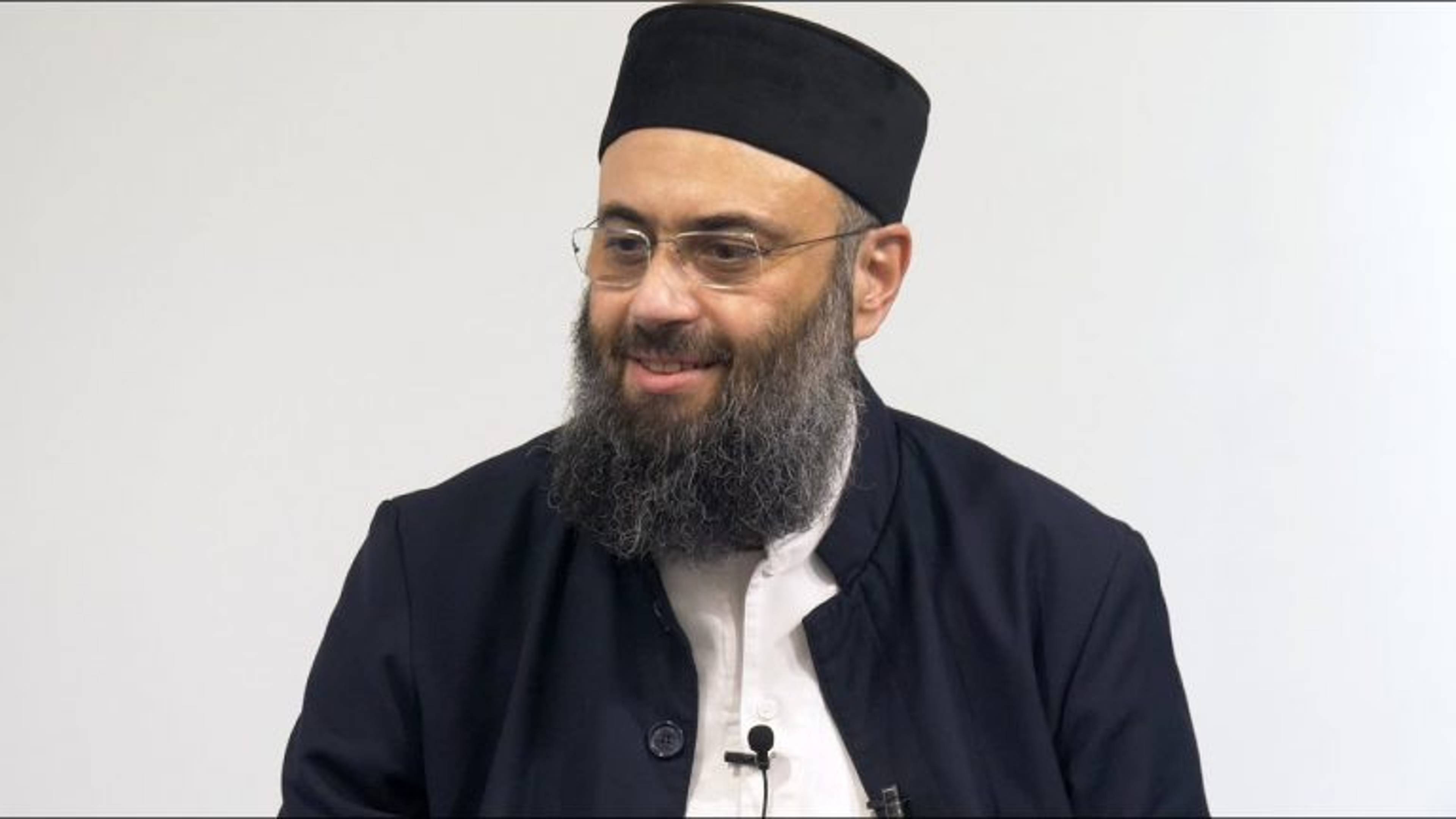
The Gift of Receiving Good Counsel - Dr. Hatem ElHaj | Lecture
Roots and Implications of Pop Culture | Firm Roots
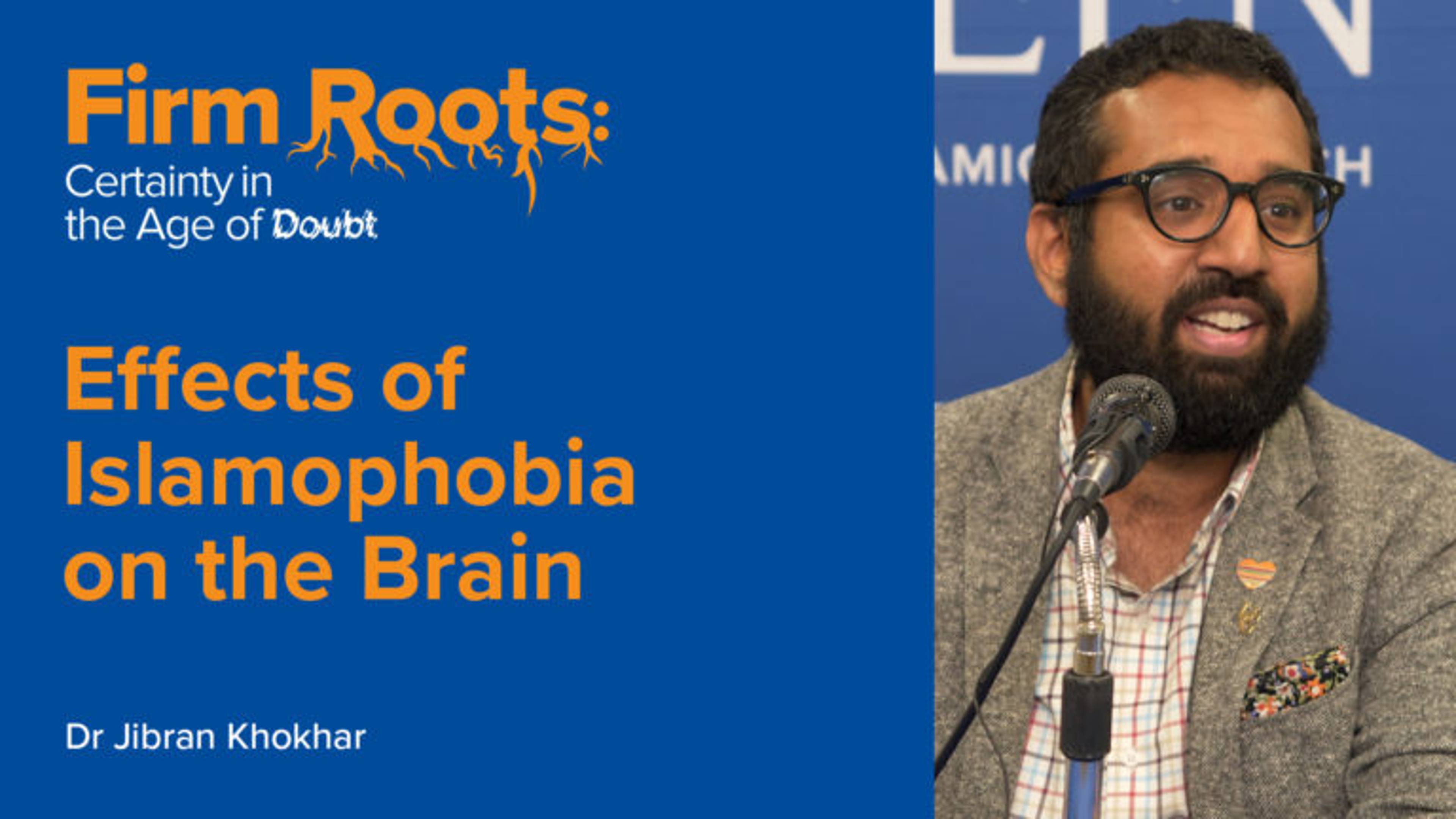
Effects of Islamophobia on the Brain - Dr. Jibran Khokhar | Firm Roots
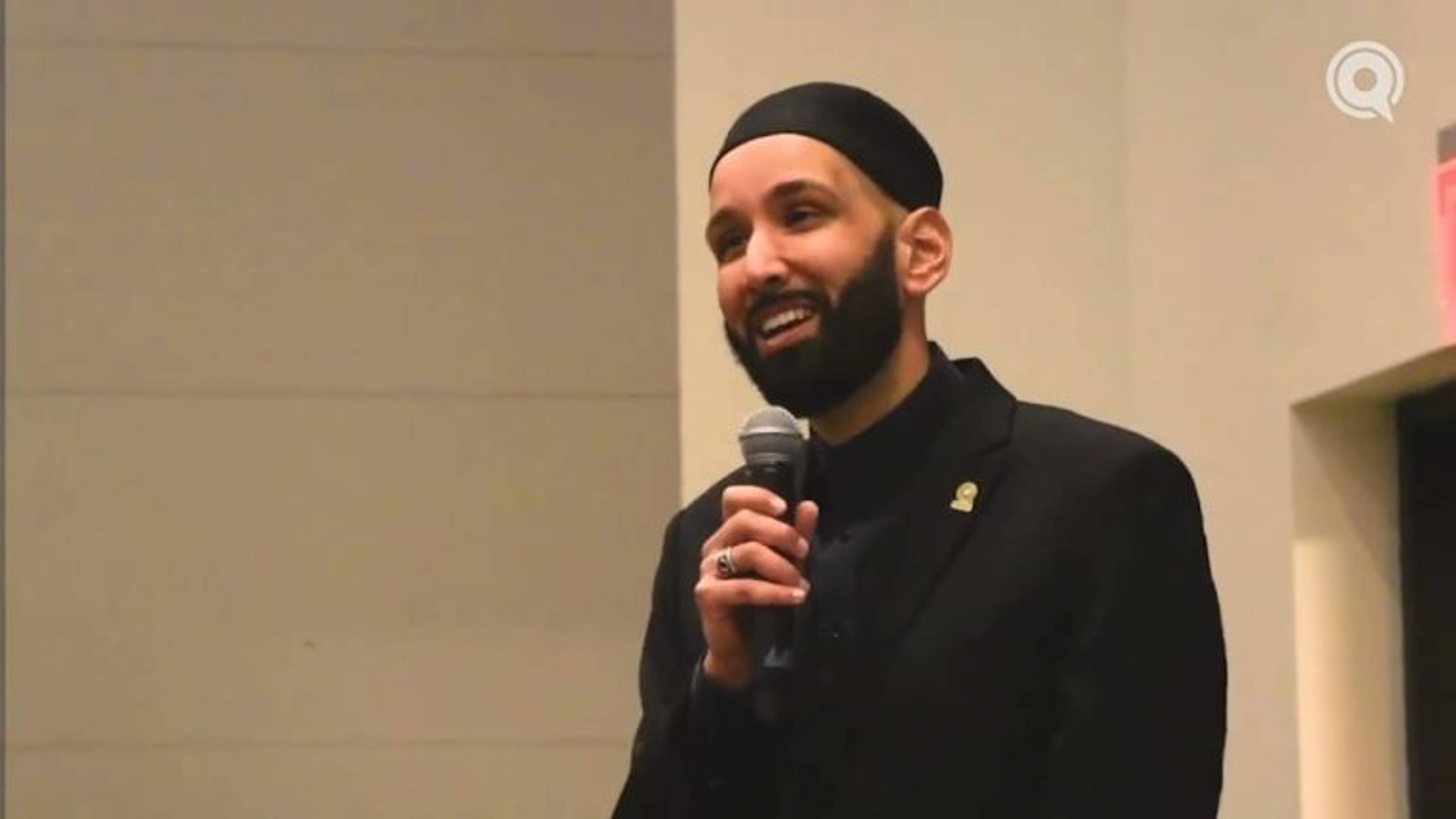
With Hardship Comes Ease | Dr. Omar Suleiman
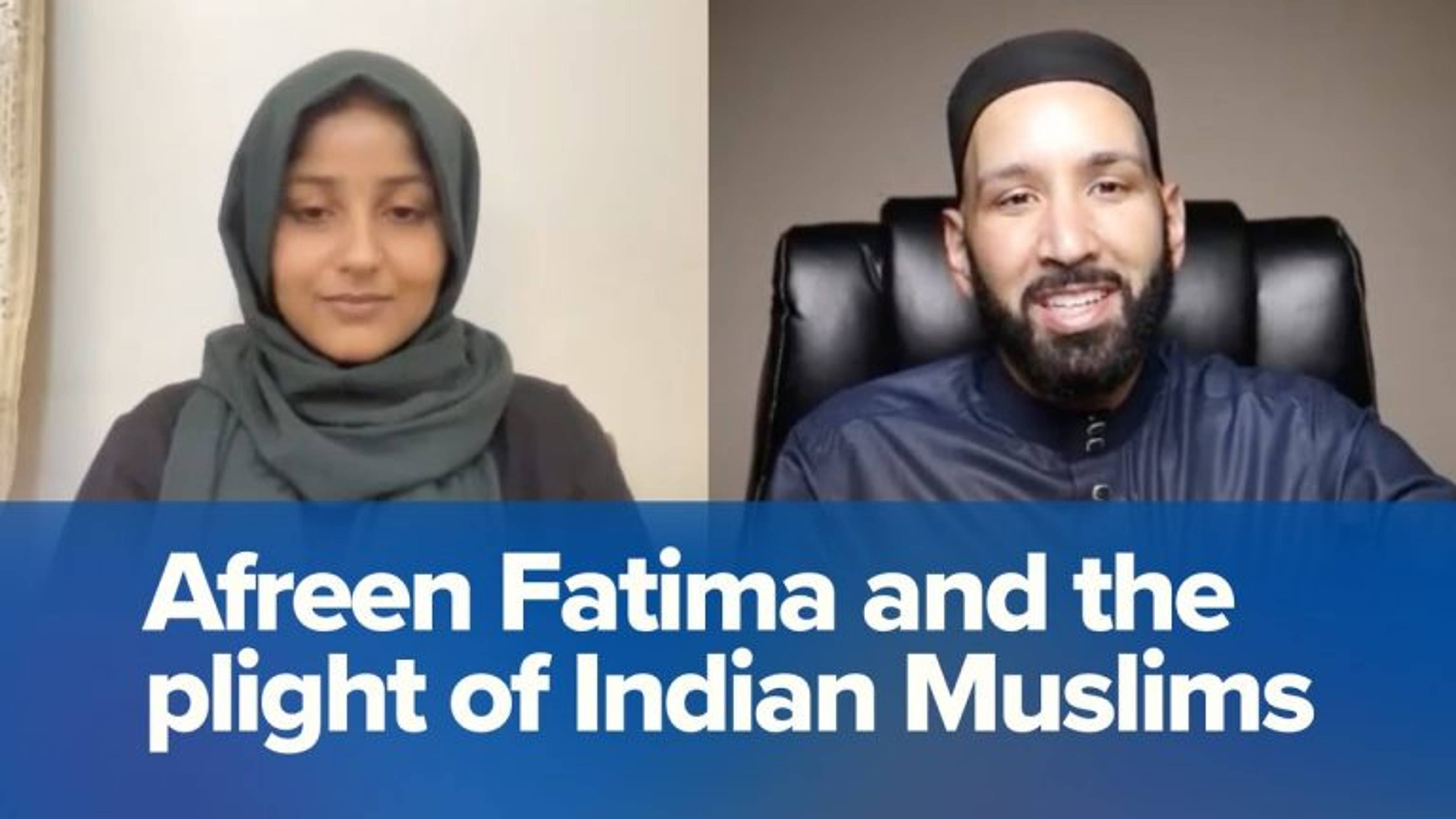
A Conversation with Afreen Fatima on the Plight of Indian Muslims | Dr. Omar Suleiman
How the Prophet ﷺ Inspired Young People | Dr. Omar Suleiman
When the Qur’an Changes You | Dr. Omar Suleiman
What Does Allah Really Want From Me? | Dr. Omar Suleiman
Fueling Your Faith: A Guide to Preparing for Ramadan | Dr. Omar Suleiman
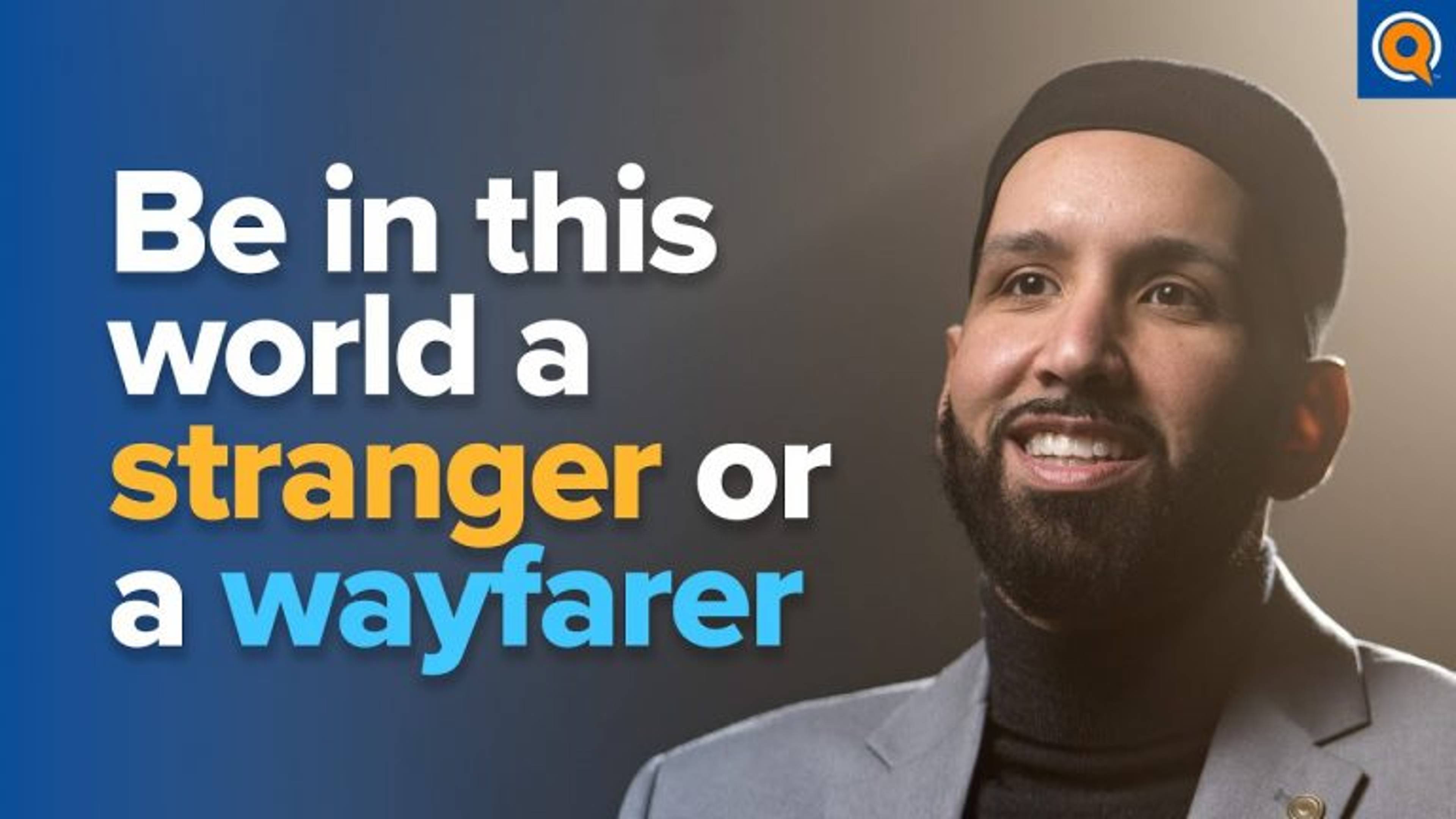
Be In This World A Stranger or a Wayfarer | Dr. Omar Suleiman
Becoming the Best Version of Yourself | Dr. Omar Suleiman
Abu Bakr's (ra) Rare Speech | Dr. Omar Suleiman
To Love the Prophet ﷺ More Than Yourself | Dr. Omar Suleiman
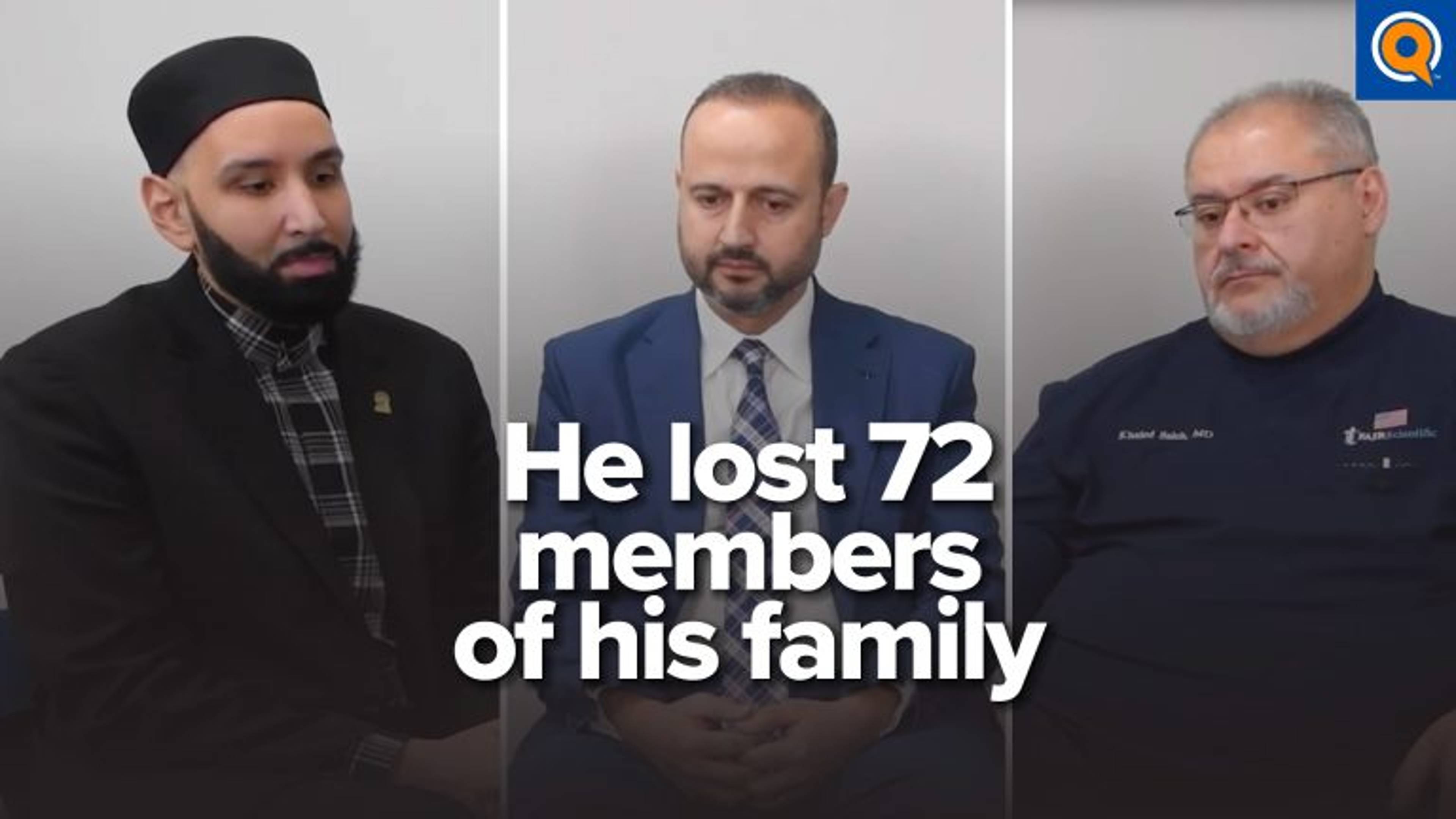
Grieving Doctors of Gaza | Dr. Omar Suleiman
Did the Prophet ﷺ See You in The Future? | Dr. Omar Suleiman
Is Religion Making Us Complacent? I Dr. Omar Suleiman
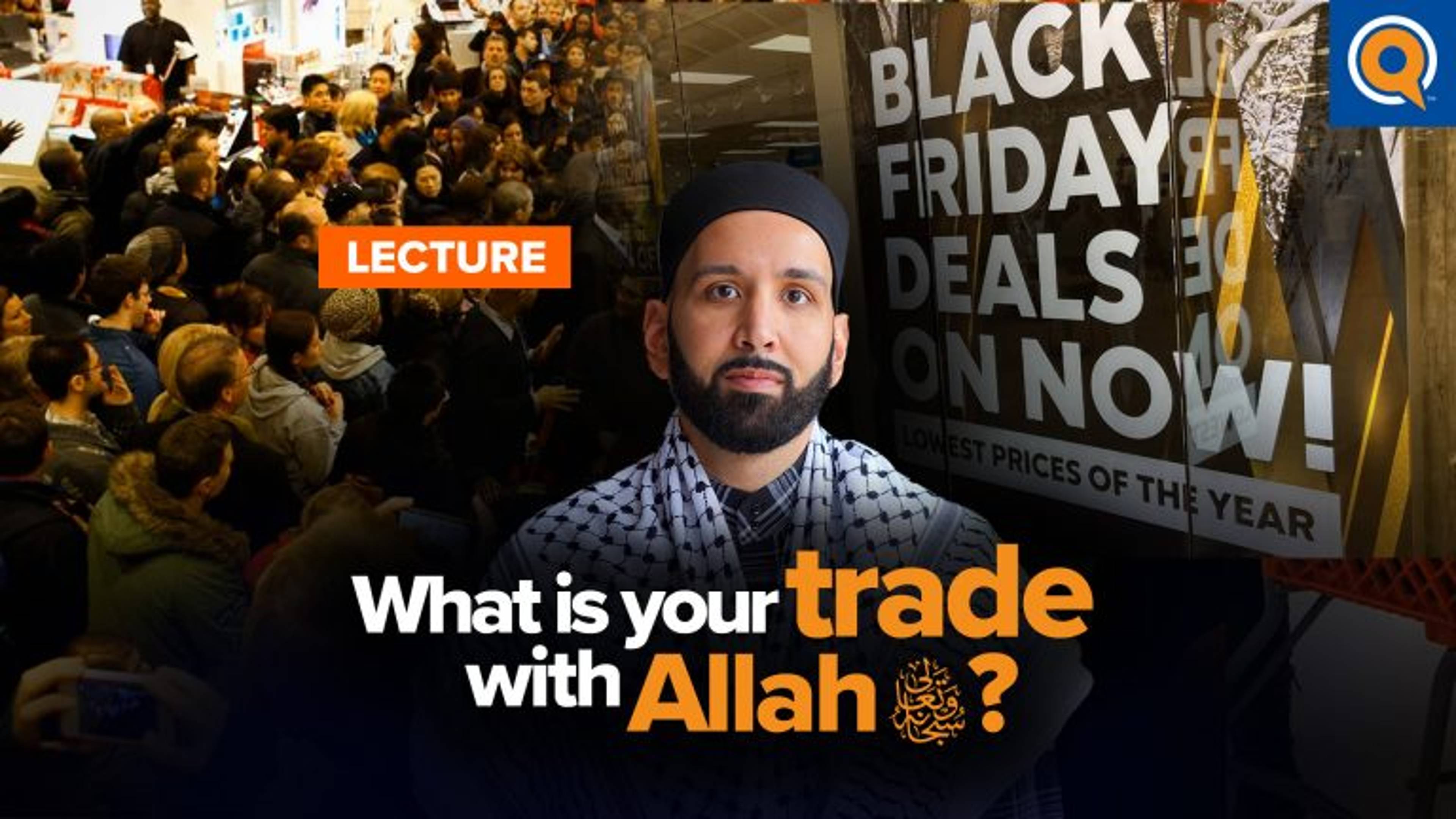
Consumerism and The Inflation of Self | Black Friday | Dr. Omar Suleiman
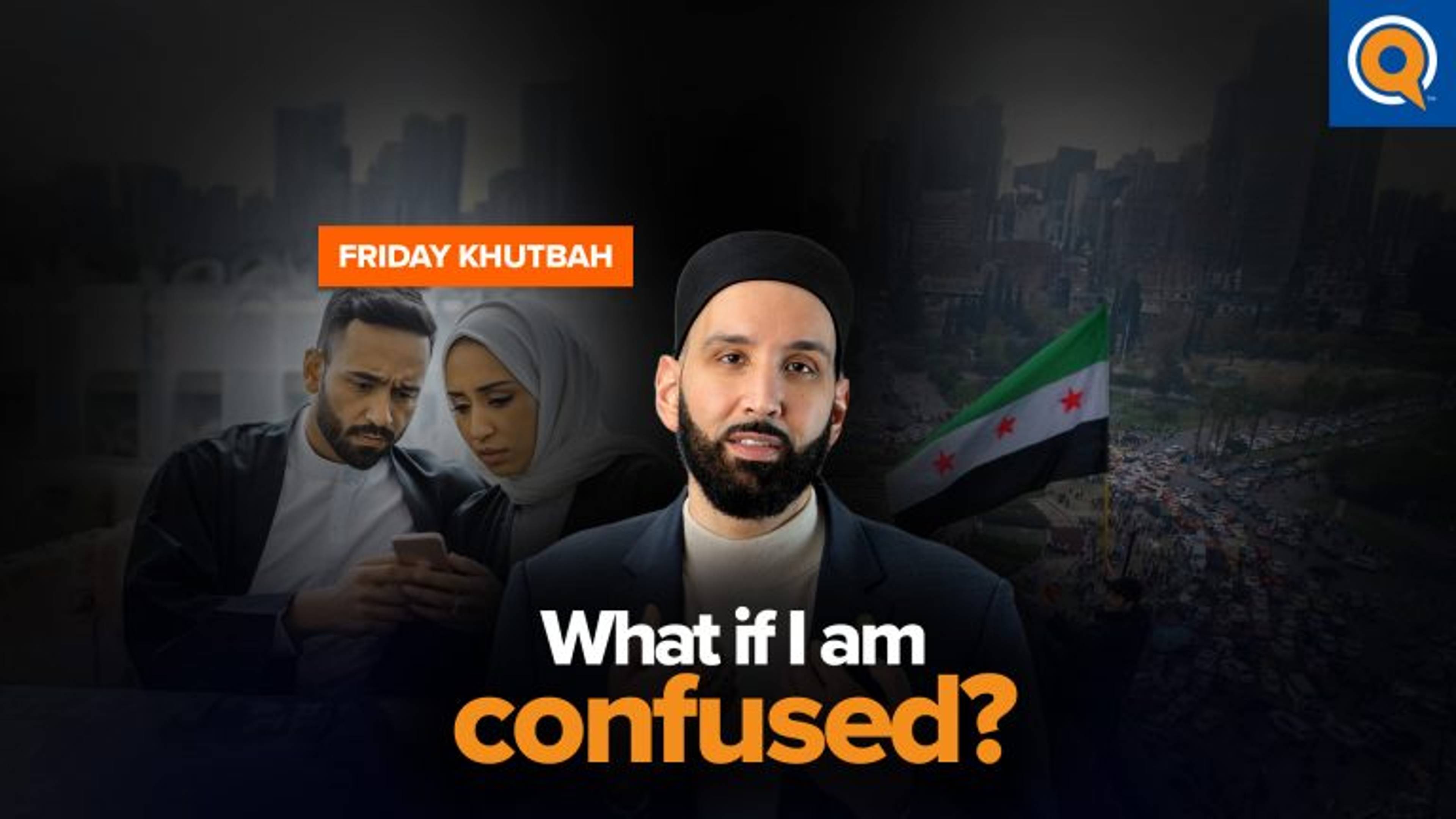
Is Syria Really a Good Thing ? | Dr. Omar Suleiman
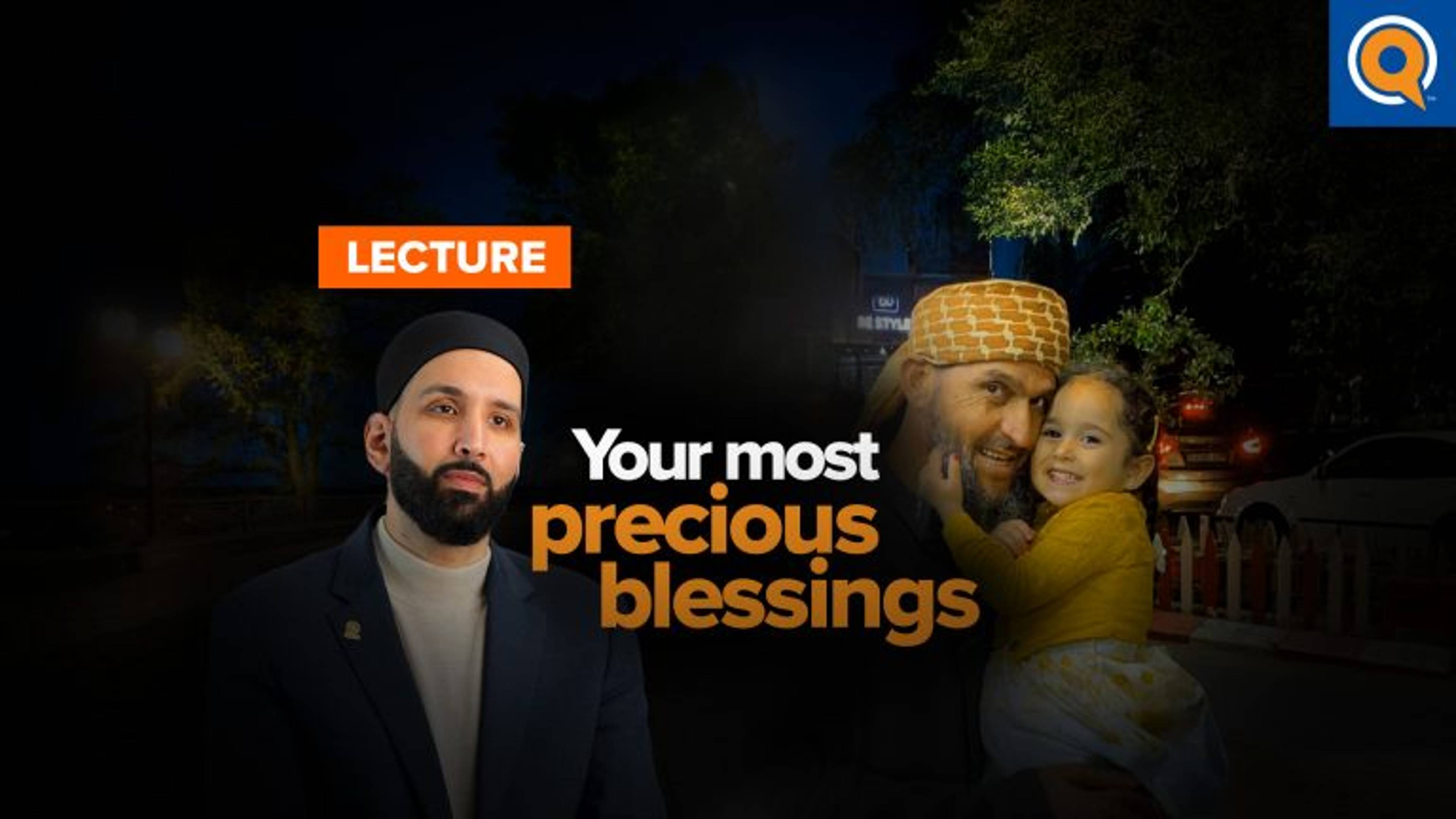
Finding Solace Through Patience and Wisdom | Dr. Omar Suleiman
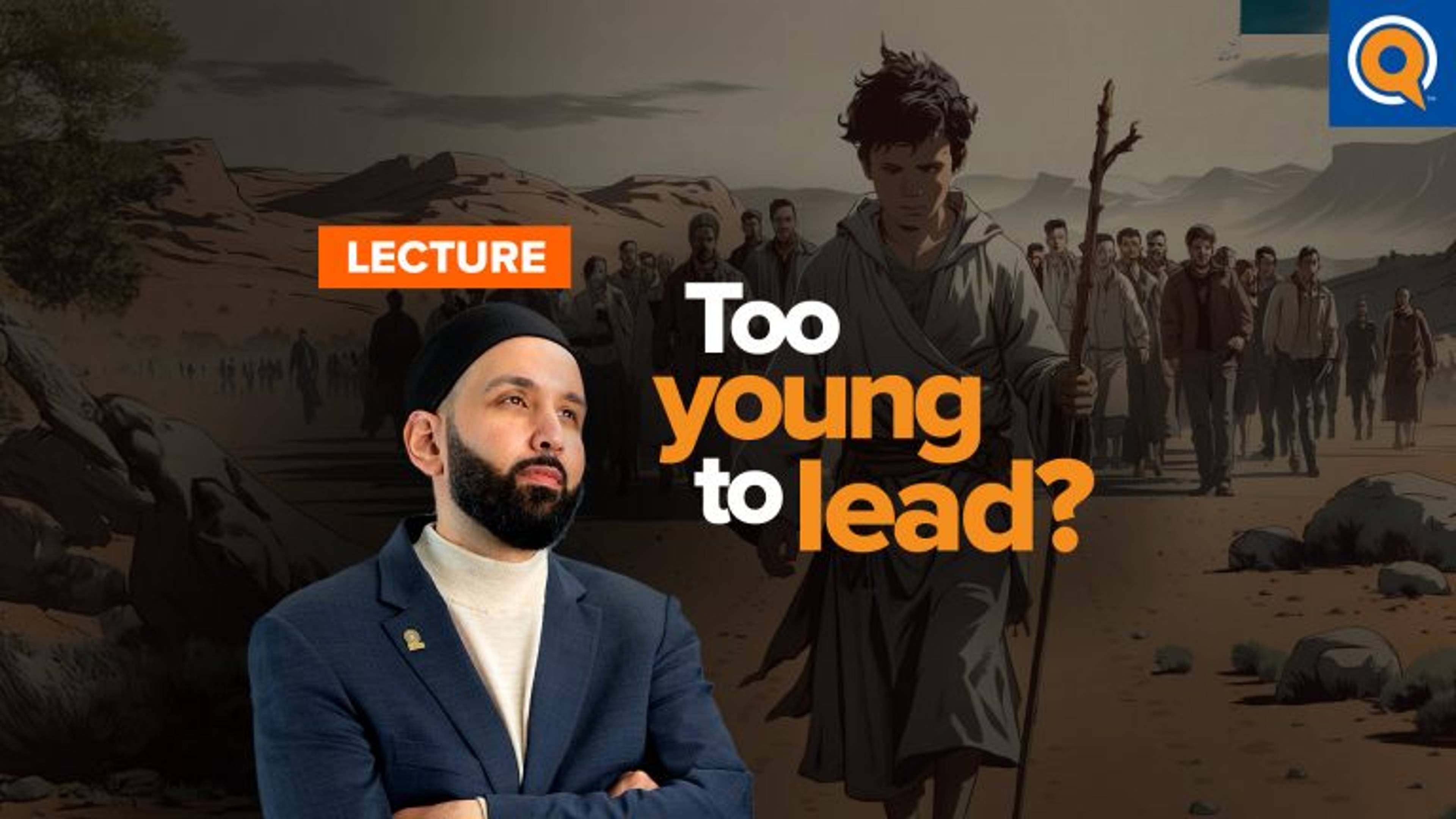
Age is Nothing but a Number | Making An Impact | Dr. Omar Suleiman
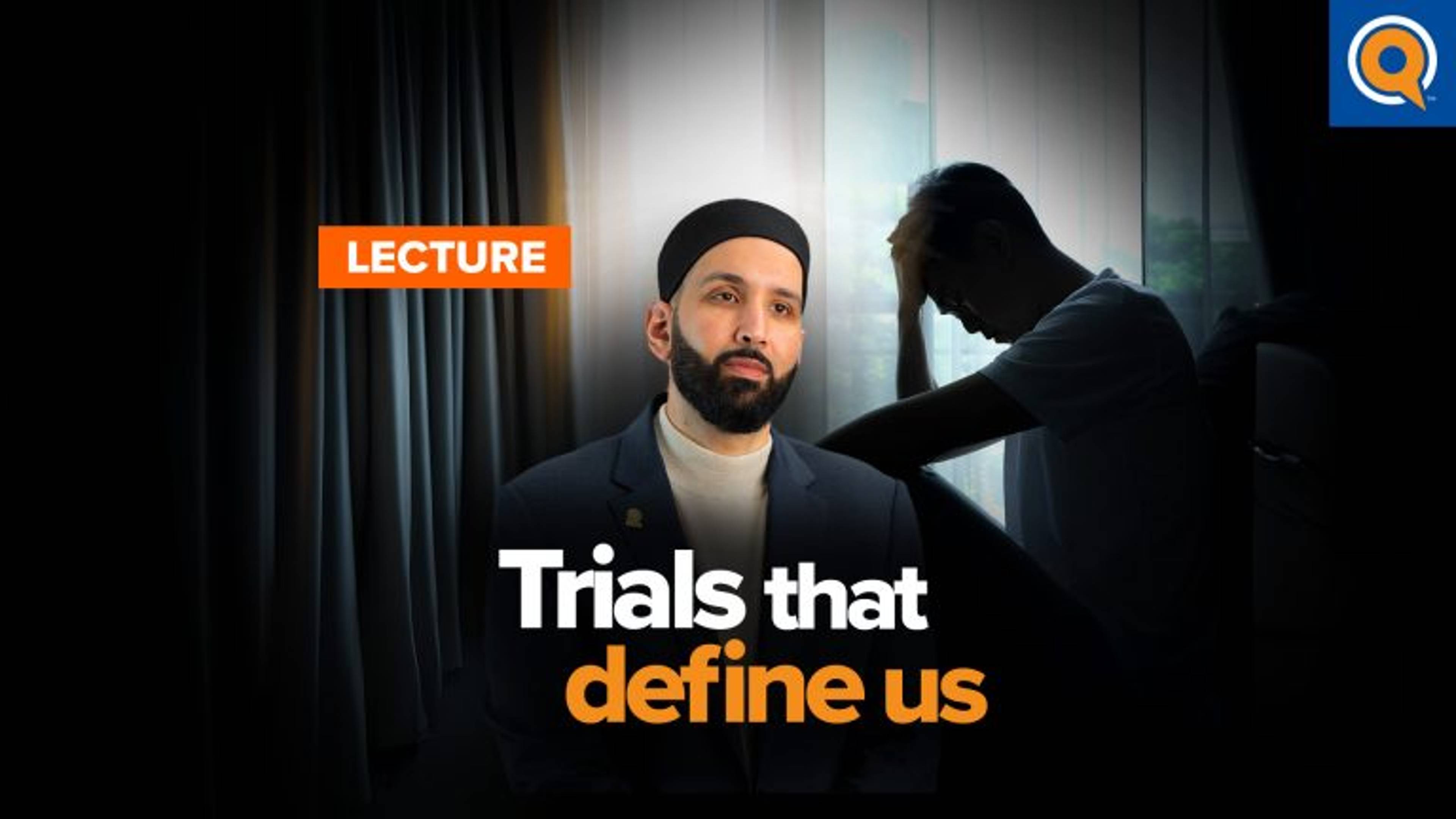
Tested Like the Prophets | UK Tour Wembley Stadium Lecture by Dr. Omar Suleiman
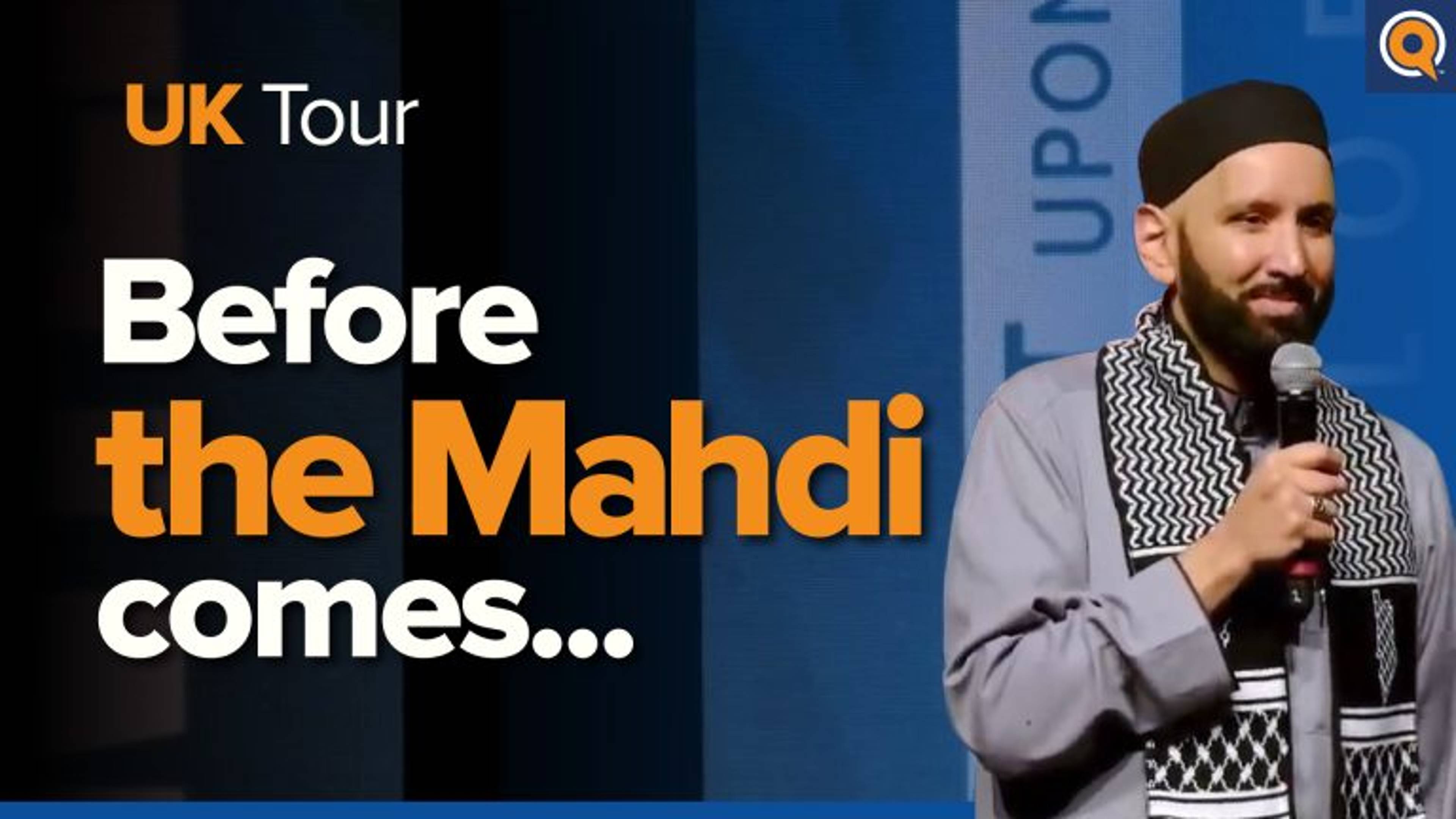
Waiting for The Mahdi or A Miracle | Lecture by Dr. Omar Suleiman
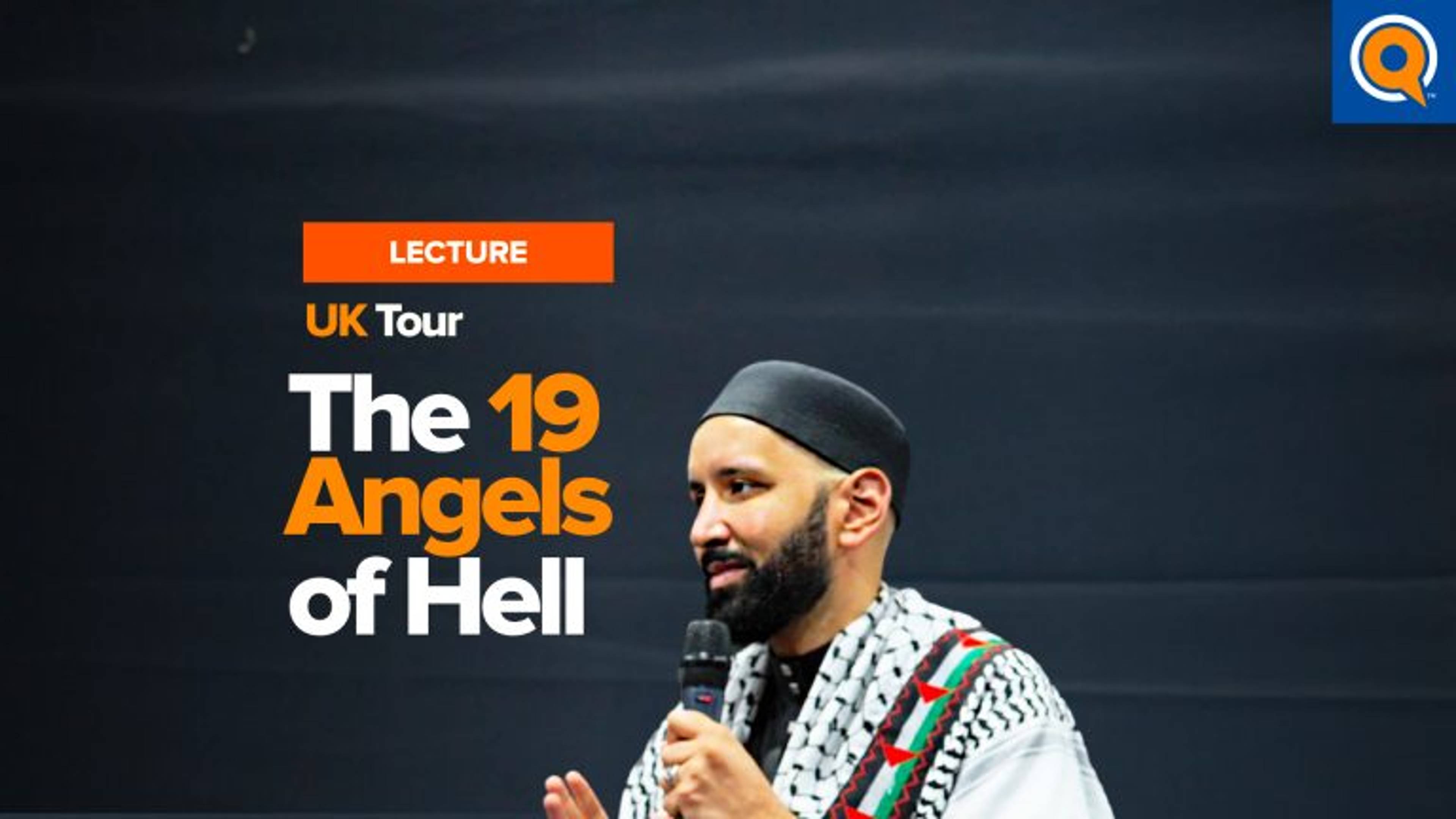
Why Did Allah Mention The Number 19? Your Test of Faith | Dr. Omar Suleiman
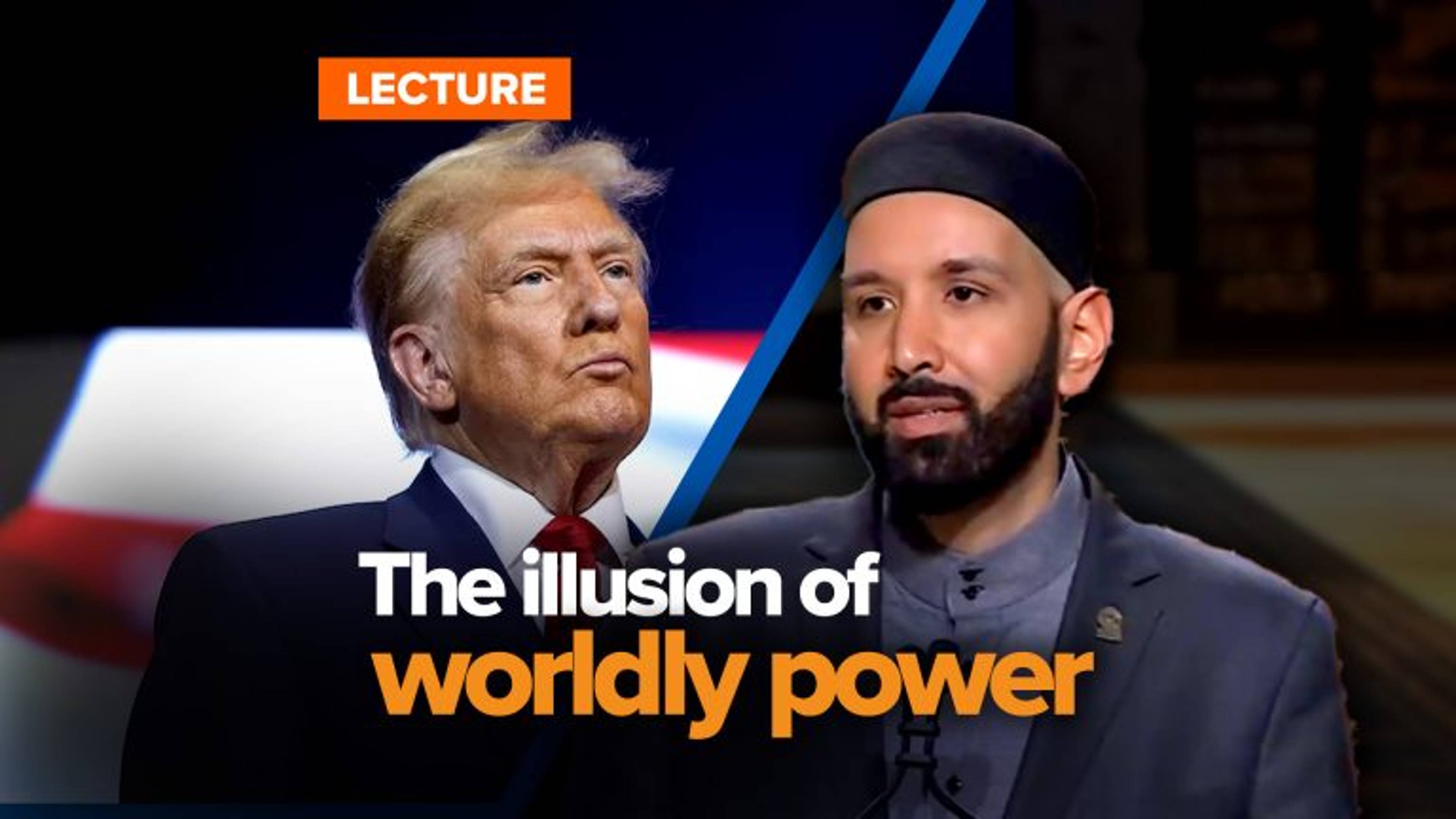
Finding Resilience Beyond the Illusion of Power | Lecture by Dr. Omar Suleiman
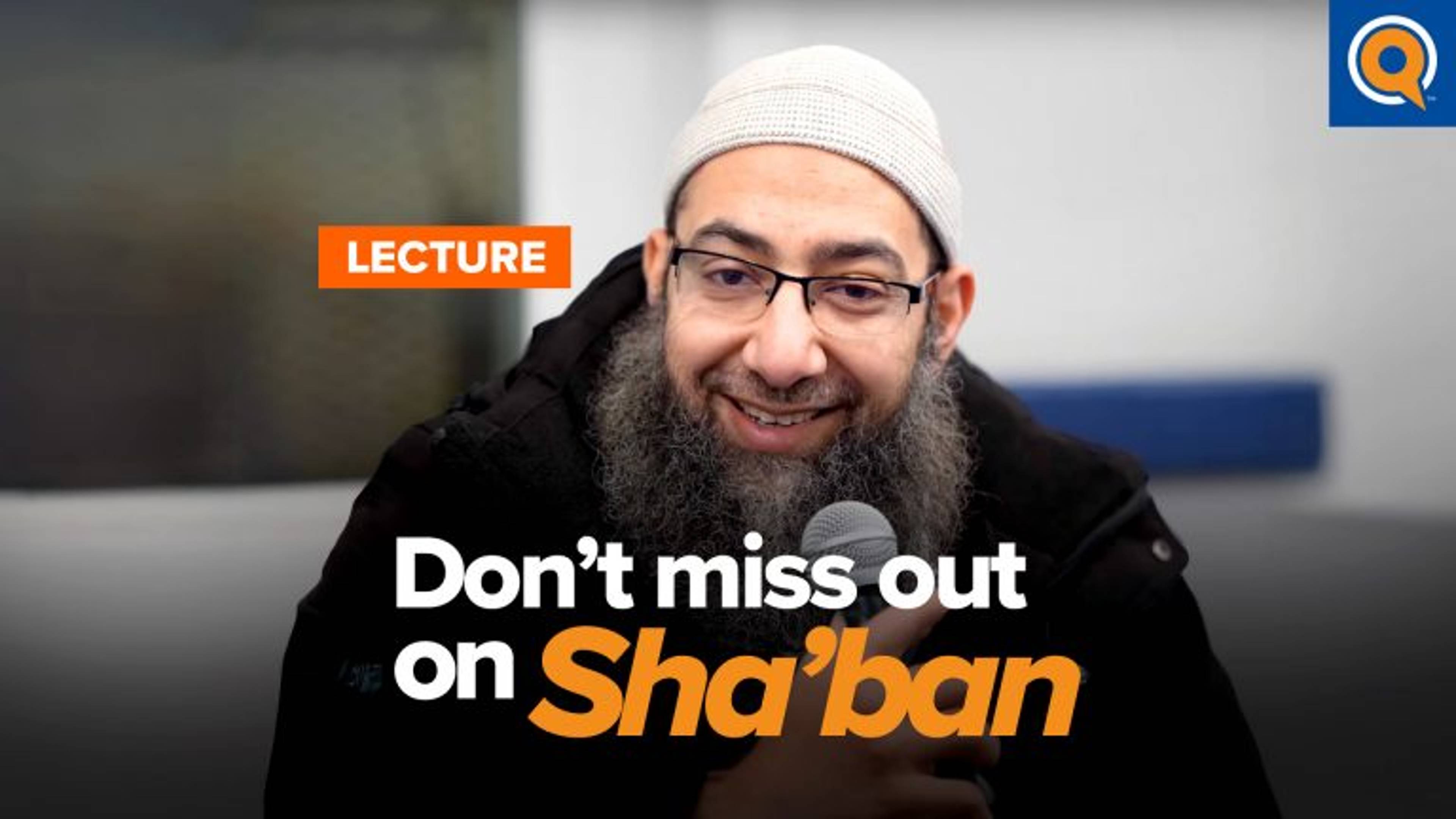
Preparing for Ramadan - Making the most in Shaban | Lecture by Sh. Mohammad Elshinawy
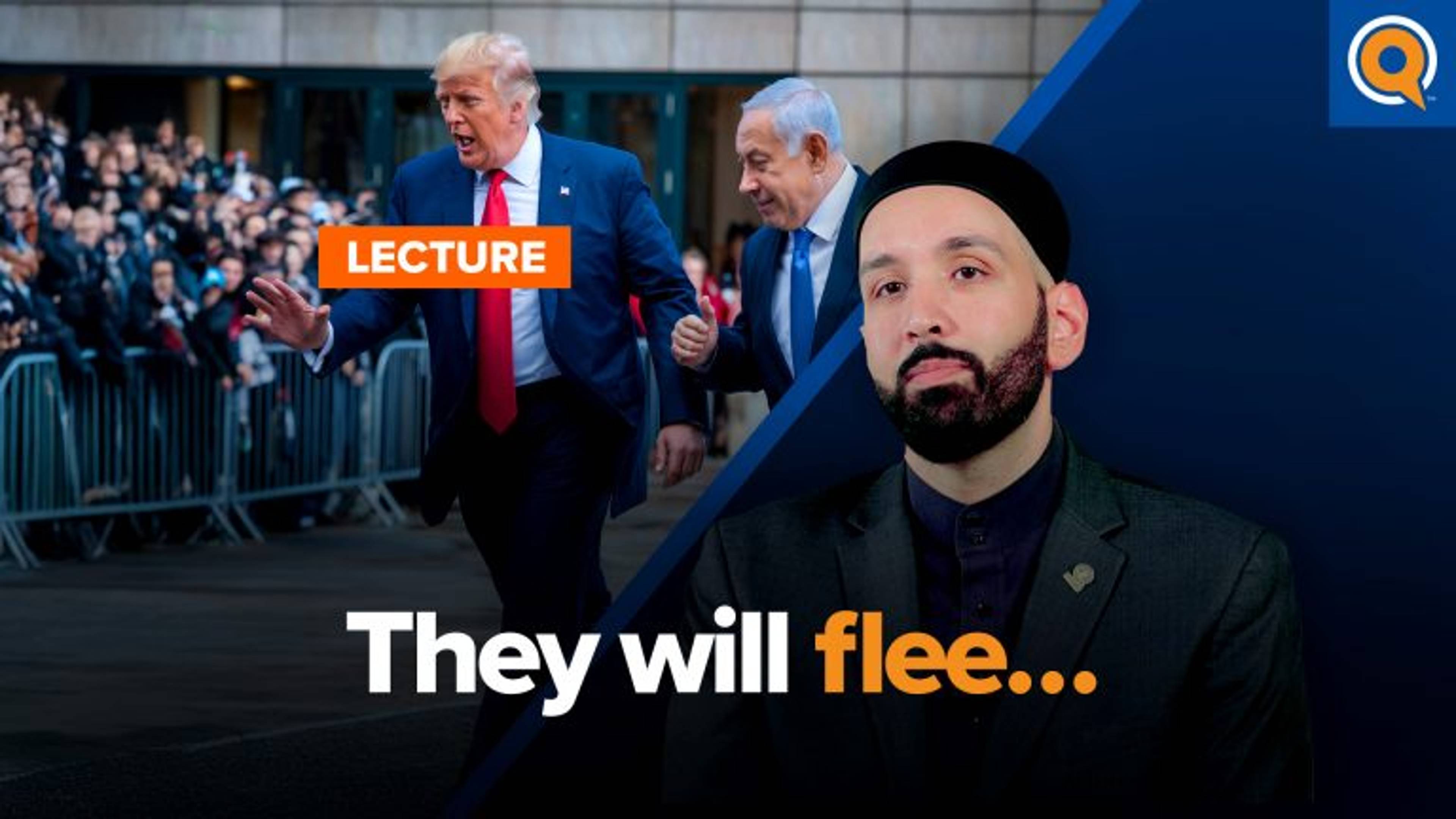
The People of Gaza Are Undisplaceable | Dr. Omar Suleiman
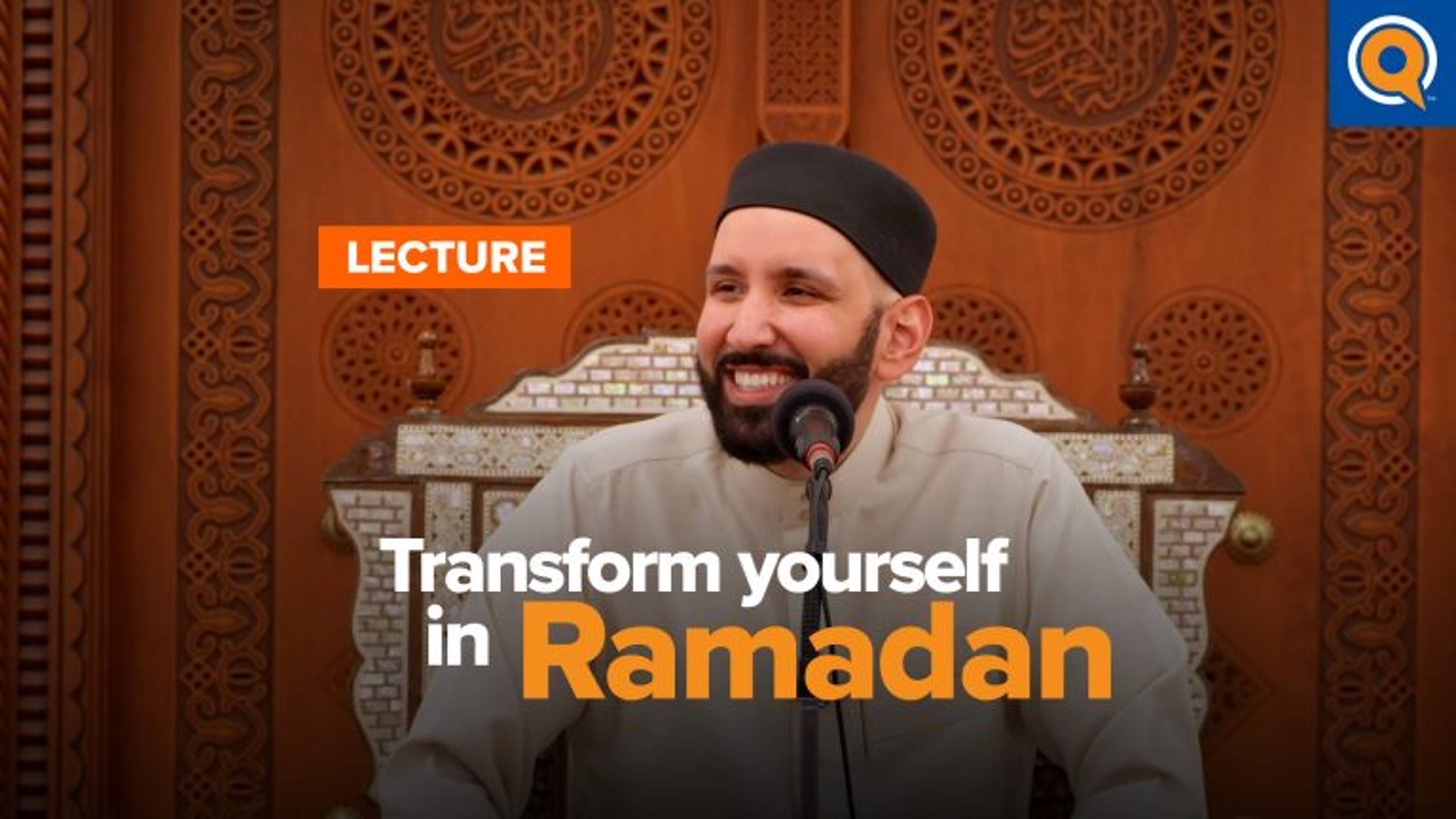
How to Reinvent Yourself This Ramadan | Dr. Omar Suleiman
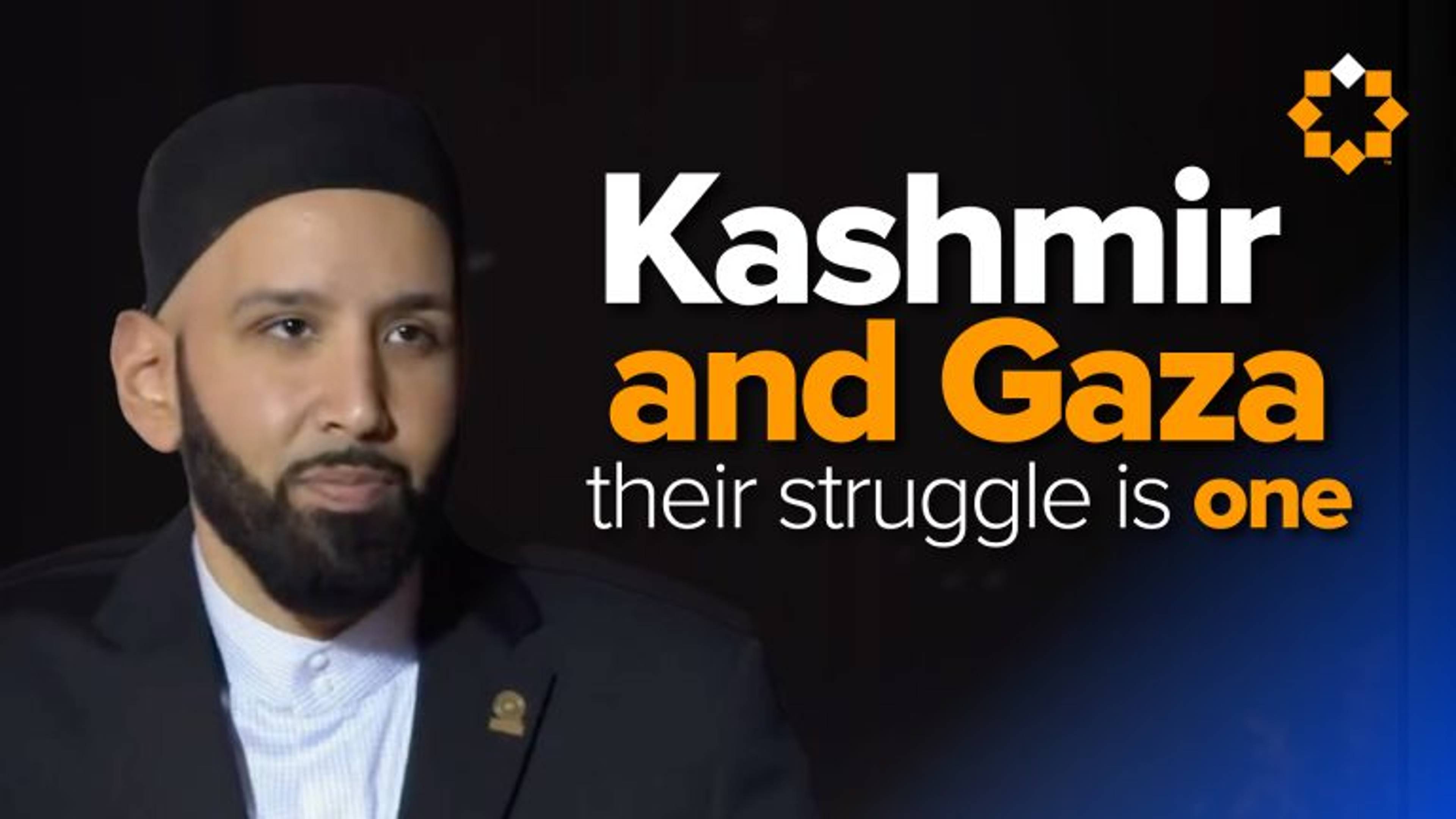
Kashmir Is Calling: Keynote at International War Crimes Tribunal, Bosnia | Dr. Omar Suleiman
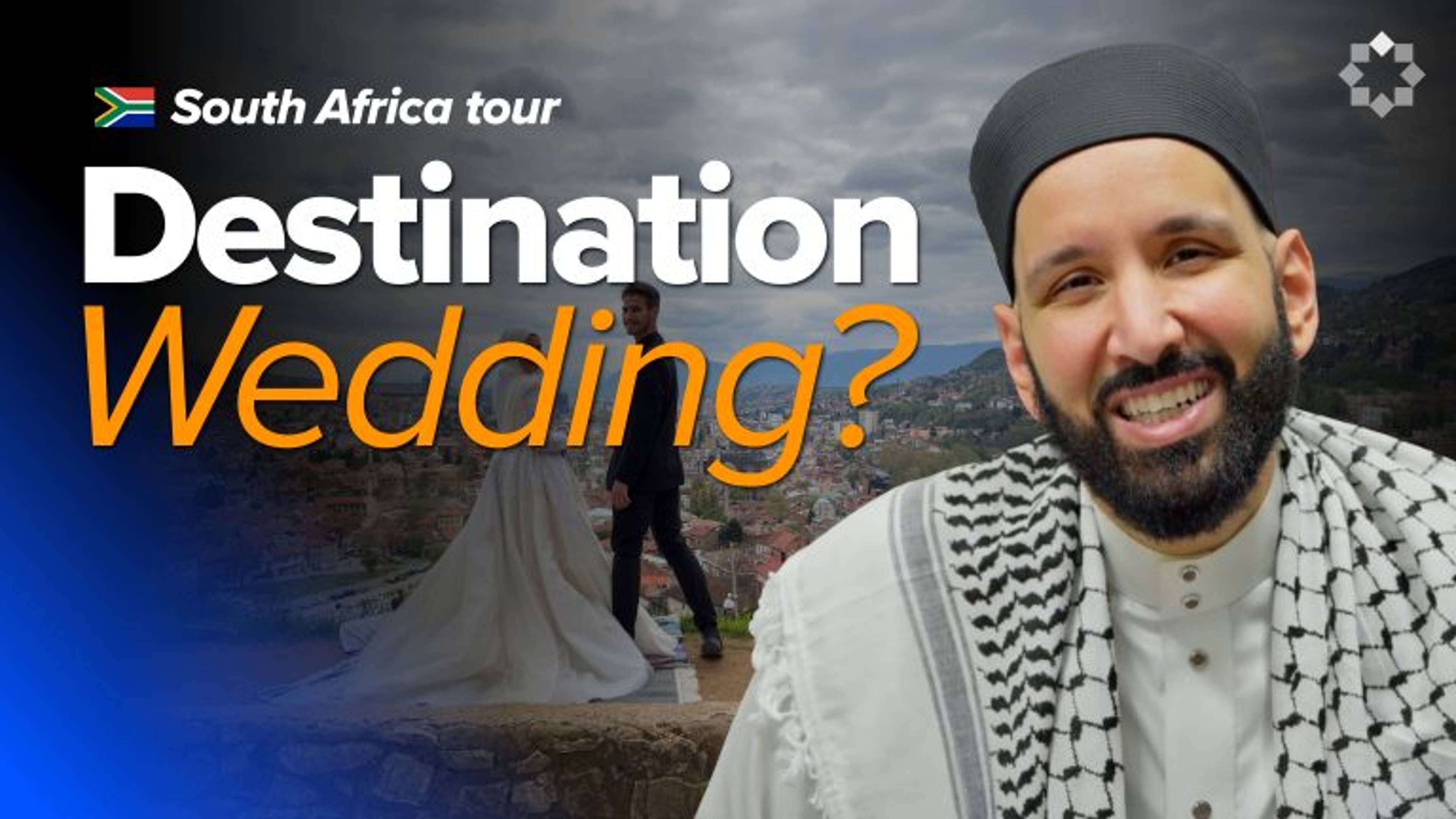
The Most Amazing Wedding I’ve Ever Been To | Dr. Omar Suleiman's South Africa Tour 2025
This Is What Made The Prophets Unstoppable | Lecture by Dr. Omar Suleiman
What Is Allah Preparing You For? | Lecture by Dr. Omar Suleiman
27th Night Special Du’a Stream by Dr. Omar Suleiman #LaylatulQadr
Khatm al-Quran Du’a 2026 by Dr. Omar Suleiman
Lecture
Kashmir Is Calling: Keynote at International War Crimes Tribunal, Bosnia | Dr. Omar Suleiman

In this powerful lecture at the Kashmir Genocide Russell Tribunal from 2021, Dr. Omar Suleiman exposes the deep injustices faced by the people of Kashmir and draws critical parallels to other global struggles against oppression. From Kashmir to Gaza, from Yemen to Myanmar, injustice anywhere is a threat to justice everywhere.