Becoming a Friend of Allah - Sh. Omar Suleiman | Khutbah
Overcoming Compassion Fatigue, Numbness, and Burnout - Sh. Omar Suleiman | Khutbah

Speaking a Word of Truth to a Tyrant - Sh. Omar Suleiman | Khutbah

What Do You “Smell” Like? - Sh. Omar Suleiman | Khutbah
A Living Heart Under Siege | Khutbah
Don't Forget Your Mistakes, Learn From Them | Khutbah
Repentance Delayed and Denied: Learning from a Dying Pharoah | Khutbah
“There is no refuge or escape from you, except to you...” | Khutbah
How Istighfar Clears the Fog | Khutbah

Don't Minimize Your Pain, Seek its Reward | Khutbah

How Aisha (ra) Became a Doctor | Khutbah

Stop Trying To Escape Death. Just Make The Most of Life | Khutbah
You Will Never Be As Alone Or Desperate As Yunus (as) | Khutbah
Do You Think You Will Enter Jannah? | Khutbah
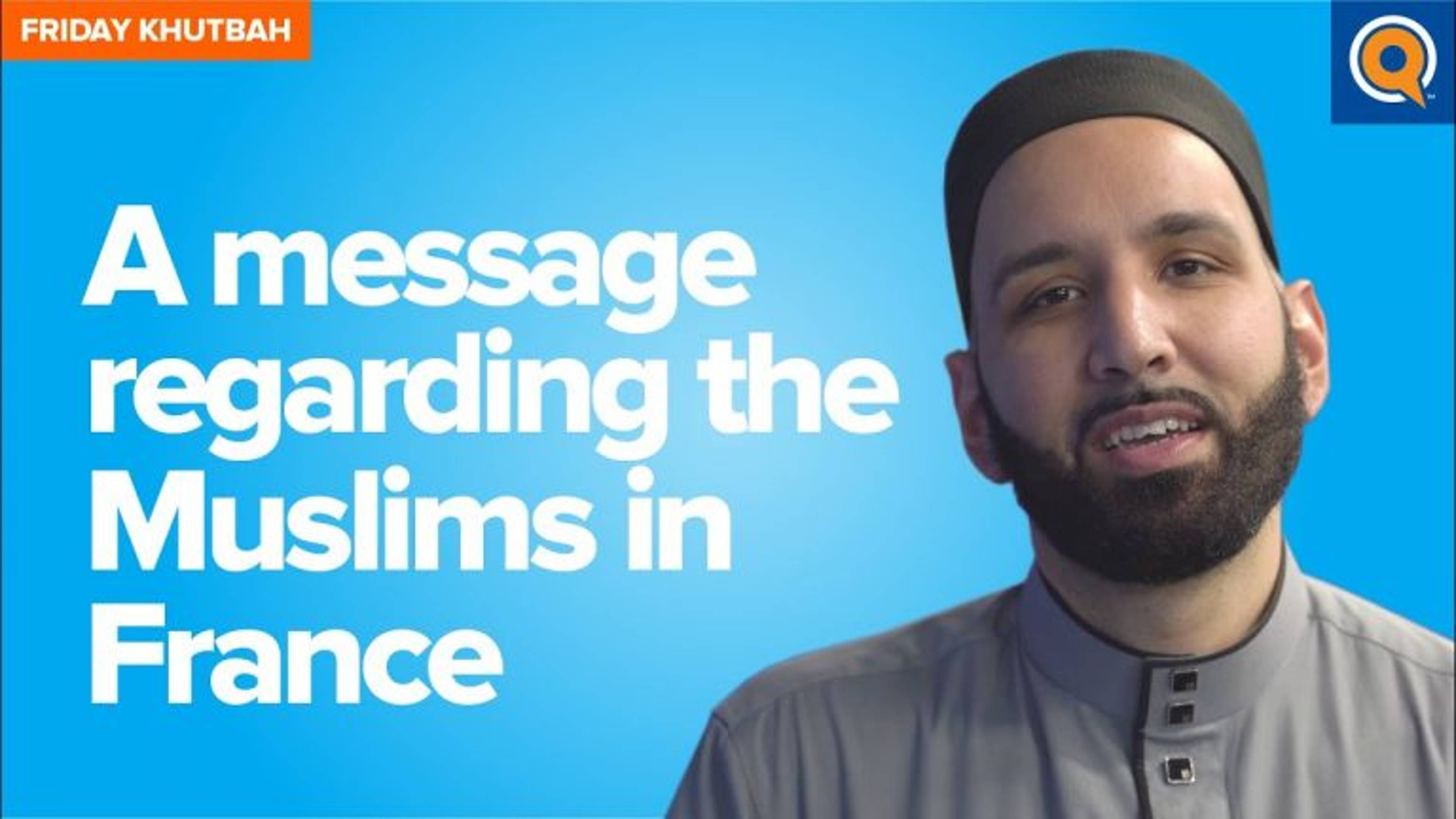
A Message Regarding the Muslims in France | Khutbah
“Indeed, Your Enemy is The One Cut Off” | Khutbah
Maintaining Character in Chaos and Confusion | Khutbah
Allah Spared Me, Why Would I Dip my Tongue in it? | Khutbah
Allah Laughs at This Awkward Meeting | Khutbah

Black Friday: Fear of Missing Out on Good Deals or Deeds | Khutbah
Don’t Wait For Others To Ask | Khutbah
Your Father: The Middle Gate to Jannah | Khutbah
Do Not Curse Time: What A New Year Really Means | Khutbah
Three Moments That Lead to Paradise | Khutbah
Owning Our Mistakes | Khutbah
Serving the “Undeserving” | Khutbah
“A Life Cut Short...” | Khutbah
Before Our Hearts Were Hardened | Khutbah
Wash Our Hearts With Water, Snow, and Hail | Khutbah
Let Your Water Flow To Your Neighbor | Khutbah
The Blessing You Won't Forget Next Time | Khutbah
"Am I Really Sincere?" | Khutbah
Forbidden From Qiyam For Questioning His Sincerity | Khutbah
Am I Accountable for My Thoughts? | Khutbah
Two Conditions For Forgiveness in Sha'aban | Khutbah
The Knots, Whispers, Sticks & Stones of Shaytan | Khutbah
From Bad To Better & Good To Great | Khutbah by Dr. Omar Suleiman
The Best Forms Of Dhikr In Ramadan | Khutbah
What Are You Willing To Give Up For Allah? | Khutbah
5 Best Things To Do On Laylatul Qadr | Khutbah

The Effect Of Laylatul Qadr On The Heart | Khutbah
Al Aqsa Will Always Matter To Us | Khutbah
Learning Courage from Palestine & Our Predecessors | Khutbah
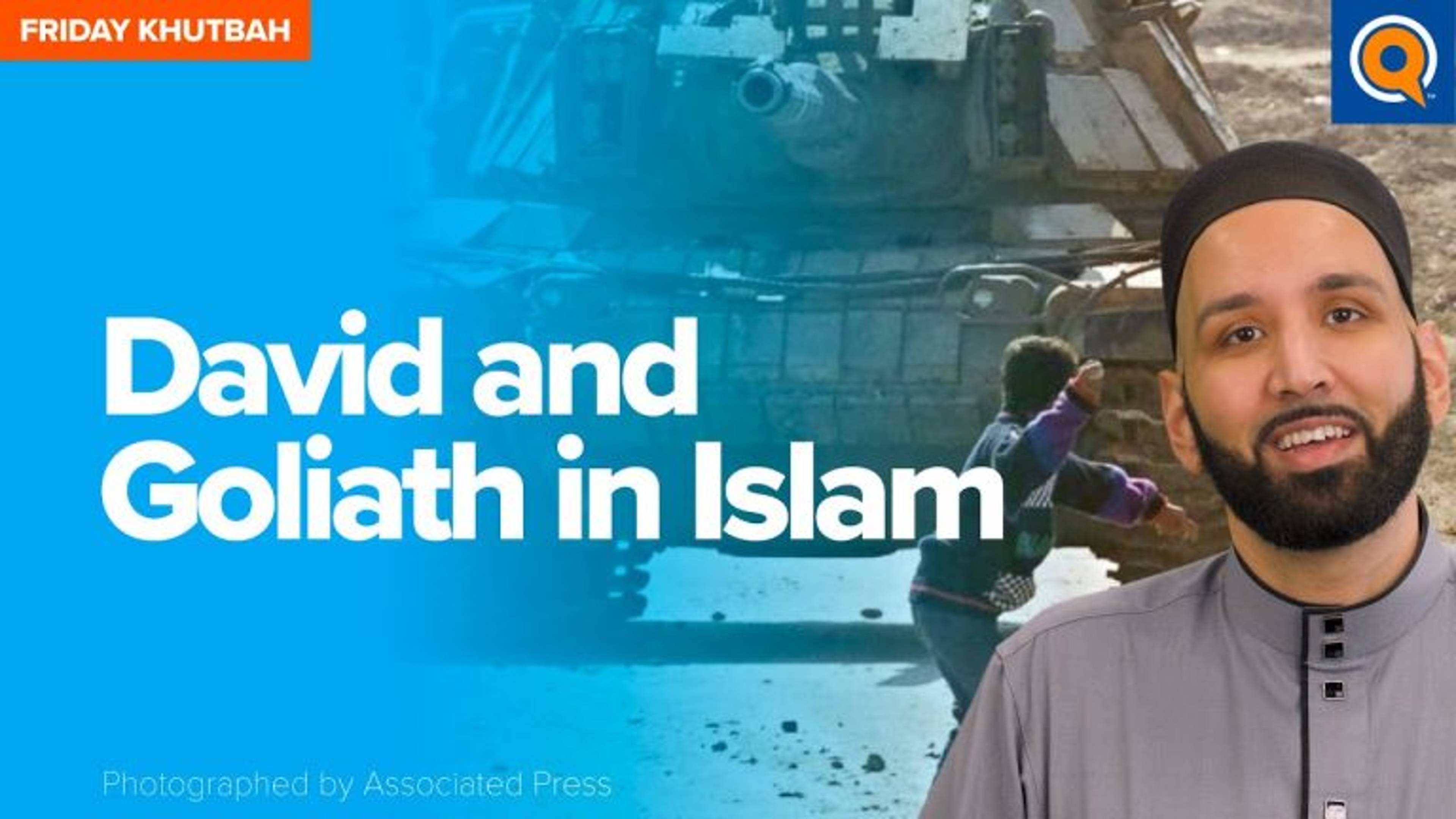
David and Goliath in Islam | Khutbah
Dua to Overcome Feeling Helpless | Khutbah
Sins We Commit When We’re Scared and Vulnerable | Khutbah
How Paradise Keeps Us Patient | Khutbah
The Du’a Taught to Only 1 Prophet | Khutbah
How Allah sends Salah upon you | Khutbah
One Ummah, One Body | Khutbah
When Your True Colors Show | Khutbah
The First Footstep Of Shaytan | Khutbah by Dr. Omar Suleiman
Virtues of Ashura and How to Observe It | Khutbah
When You Hit Your Lowest Point | Khutbah
The Highest Degree of Love for Allah | Khutbah
Friends That Hold You Back | Khutbah by Dr. Omar Suleiman
When People Keep Letting You Down | Khutbah by Dr. Omar Suleiman
How Tahajjud Removes Stress and Sins | Khutbah
How Would The Prophet ﷺ Advise You? | Khutbah
Inscribed on the Sword of the Prophet Muhammad ﷺ | Khutbah
A Believer Cannot Be A Liar | Khutbah
'I guarantee Jannah for the one who…' | Khutbah
Quenching Our Humanity | Khutbah
What Makes You Cry | Khutbah
7 Ways To Increase Baraka In Your Time | Khutbah
Do Not Aid an Oppressor | Khutbah
Virtual Reality & the Fitna of Dajjal | Khutbah
Seeing With The Light of Allah | Khutbah

Allah’s Name: At Tawwab - The One Who Accepts Repentance | Khutbah
Gems from the Miracles and Manners of Jesus (as) | Khutbah
But You Want Something Else From Allah | Khutbah
Allah’s Guidance | Khutbah
Do Not Belittle the Efforts of Others | Khutbah
Don’t be Hasty | Khutbah by Sh. Ibrahim Hindy
Is Allah Punishing Me? | Khutbah
Turning Your "Waste" Into Rewards | Khutbah
New Beginnings with the Messenger ﷺ | Khutbah
To Truly be Free | Khutbah
Dangerous Assumptions | Khutbah
Resting the Soul and Avoiding Burnout | Khutbah

The Day of Judgement as if You Can See it | Khutbah
Let's Let Go of Our Ego | Khutbah
How To Start Ramadan Right | Khutbah
Fasting is a Shield | Khutbah

Al-Aqsa, Indian Muslims and Ramadan Silence | Khutbah
What Allah Decides for you on Laylatul Qadr | Khutbah
Was my Ramadan Accepted? | Khutbah
Fighting the Ramadan Blues | Khutbah
Our Priorities as an Ummah | Khutbah
3 Ways to Save Yourself from Fitna | Khutbah
Social Media, Misinformation, And The Assassination of Uthman (ra) | Khutbah
Do Not Compromise Your Deen | Khutbah
Why the Shaheed would want to come back | Khutbah
The Benefits of Hasbunallahu Wa Ni'mal Wakeel | Khutbah
Our Father Ibrahim (as) Still Cares About Us | Khutbah
What to do on 'Arafah | Khutbah
The Du'as of the Salaf on Arafah | Khutbah
Uniting Our Ummah When Politics Divide | Khutbah
Your Image of Allah and Attachment to Him | Khutbah
The 3 Keys to Human Excellence | Khutbah

Life Only Starts When You Die | Khutbah
Why Ashura is so important | Khutbah
Will Anyone Remember Me? | Khutbah
Learning to Trust Allah’s Timing | Khutbah
Defining Masculinity Through Qur’an | Khutbah
Vocabulary of a Narcissist | Khutbah
The Sin of Using People | Khutbah
Think Well of Allah | Khutbah
O Allah, I Love You Even Though I Disobey You | Khutbah
Why Don't We All Have the Same Blessings? | Khutbah
A World Without Muhammad ﷺ | Khutbah
The Advice You Need to Hear | Khutbah
The Pursuit of Balance | Khutbah
The Good Deed That Ruins You | Khutbah
A Summary of Islam by the Prophet ﷺ | Khutbah
Tired of Being Taken Advantage Of | Khutbah
Lost Without Allah | Khutbah
How To Diagnose Your Heart | Khutbah
The Fear of Living an “Ordinary” Life | Khutbah
How To Change Your Desires | Khutbah
Is All Knowledge Good? | Khutbah
What Causes Du‘as to Be Unheard? | Khutbah
What the Prophet ﷺ Wished He Hadn't Asked | Khutbah
Negative Speaking and Belittling Blessings | Khutbah
When Forgiving Is Complicated | Khutbah

When Parents Beg Their Kids To Believe | Khutbah
Why Allah Allows Earthquakes and Suffering | Khutbah
Would You Pass This Test | Khutbah

Your Time to Shine #Sha'ban | Khutbah
Your Heart Isn’t Ready for Ramadan Unless… | Khutbah
A Jannah Worth Chasing | Khutbah
Your Ramadan Uniform | Khutbah
Your Greatest Motivation | Khutbah
Getting Past the Mid-Ramadan Dip | Khutbah

When Allah Gifts You With Tranquility | Khutbah
The New You | Eid Khutbah

AI and ChatGPT: Spiritual Resilience and Ethics | Khutbah

Feeling Paralyzed by Stress and Fitna? | Khutbah
The Qur’an and Intellectual Humility | Khutbah
Wasted Potential | Khutbah
Your Lord Doesn’t Forget | Khutbah

Who Should You Really Care About? | Khutbah

Where Has Your Tongue Taken You? | Khutbah

Why Would A Man Sacrifice His Son? | Khutbah
How To Make Du'a For Barakah | Khutbah

Do You Love To Argue? | Khutbah

Missed Opportunities | Khutbah
When Allah Guides Through You | Khutbah
The Ashura Within | Khutbah
Allah Appreciates Your Smallest Deeds | Khutbah
Islam's Cure for Depression | Khutbah
Conquering Your Insecurities | Khutbah

Allah Will Honor You | Khutbah

How Allah Uses “Tomorrow” in the Qur’an | Khutbah

When Love Makes You Crazy | Khutbah

Natural Disasters & The Day of Judgment | Khutbah
What Are Your Real Intentions? | Khutbah

How to Make The Most of your Salah | Khutbah
Palestine Khutbah Outside the White House | Dr. Omar Suleiman
"What's the Point?" | Khutbah
How Palestine Exposes Hypocrisy | Khutbah
Feeling Helpless While Watching Oppression | Khutbah
Palestine Awakens the Ummah | Khutbah
What Does Islam Say About War and Justice? | Khutbah
Your Leg is Already in Paradise | Khutbah
The Value of Just One Righteous Life | Khutbah
Media Martyrs and Symbolic Resistance | Khutbah
Staying Sincere for the Cause | Khutbah
Do You Doubt the Return? | Khutbah

When Laws are Held Hostage | Khutbah
It Actually Starts with Tahajjud | Khutbah
The Most Underestimated Major Sin | Khutbah
How Allah will Mock Them | Khutbah

Is It All Our Fault? | Khutbah
Why this Sha'aban is so Important | Khutbah
What Happens on the 15th of Sha'aban? | Khutbah
Ramadan Joy and Gaza Depression | Khutbah
How to Make this Your Best Ramadan | Khutbah
Setting Character Goals in Ramadan | Khutbah
When Your Heart is On Empty | Khutbah
Those Who are Deprived on Laylatul Qadr | Khutbah
When the Decree Shocks Everyone on Laylatul Qadr | Khutbah
A Night Even Better than Laylatul Qadr | Khutbah
Is the End Near? | Khutbah
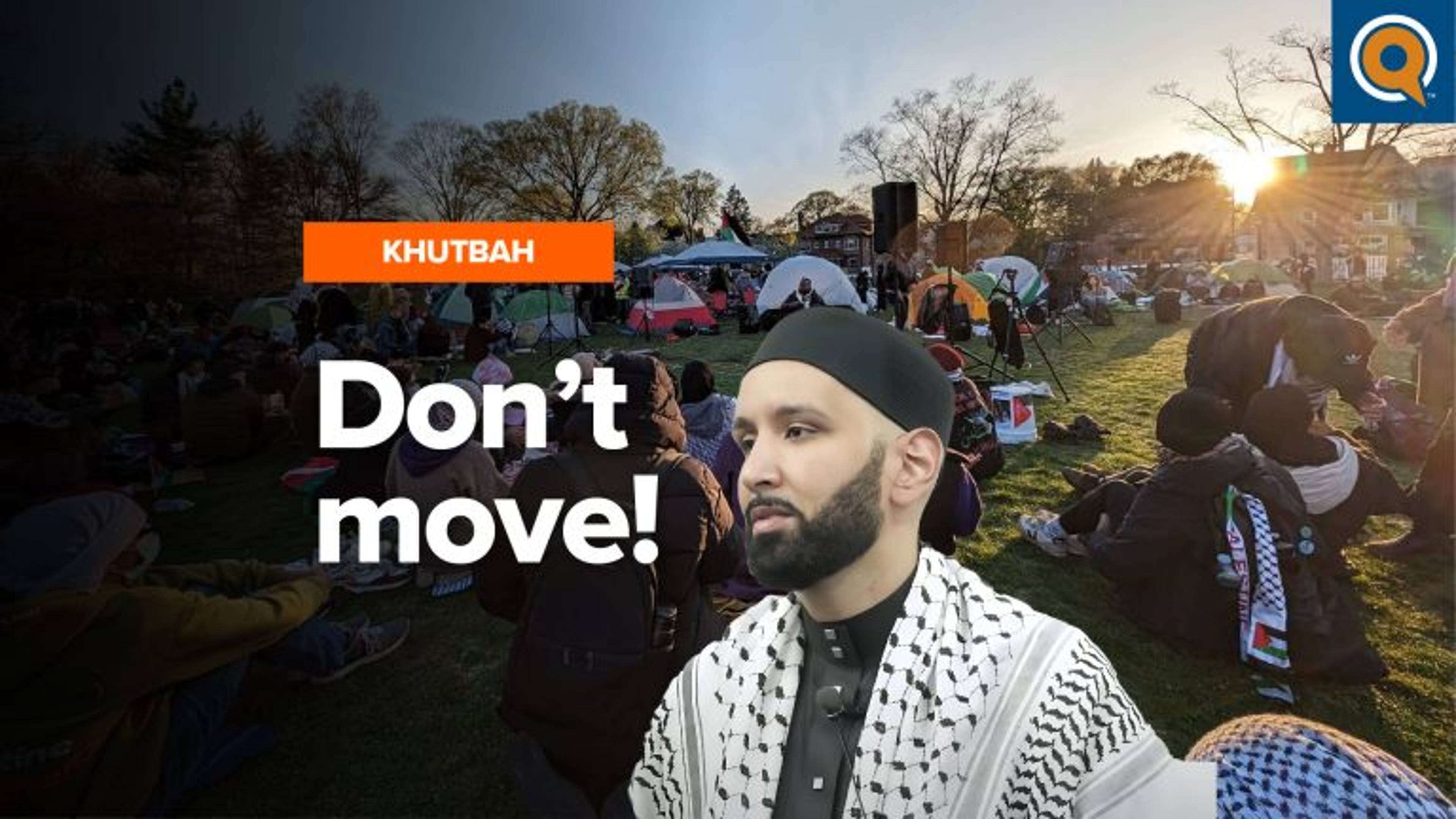
"Don't Move!" - Gaza Encampment at Northwestern University | Khutbah
Act and Allah Will Unlock Success | Khutbah
Overcoming Despair When We See Mutilated Bodies | Khutbah
Resistance in Exile: from Hijra to Nakba | Khutbah
The Inner Strength to Keep Fighting | Khutbah
Will Gaza be Israel's Downfall? | Khutbah
When Allah Tests You with the Truth | Khutbah
Hidden Causes of Disconnect from Allah | Khutbah
How Close Are You to the Prophet (as)? | Khutbah
The Most Important Ashura of Our Lives? | Khutbah
Is Allah Really with Us? | Khutbah
The Real History of Palestine in the Qur'an | Khutbah
The One Child Pharoah Didn't Kill | Khutbah
The Art of Finding Closure | Khutbah
Don't Let them Steal your Revolution | Khutbah

Thank God We're Not Them | Khutbah
What If I Can't Look Anymore? | Khutbah
Wounds That Aren't Meant To Heal | Khutbah

Your False Sense of Security: From Gaza and Beyond | Khutbah
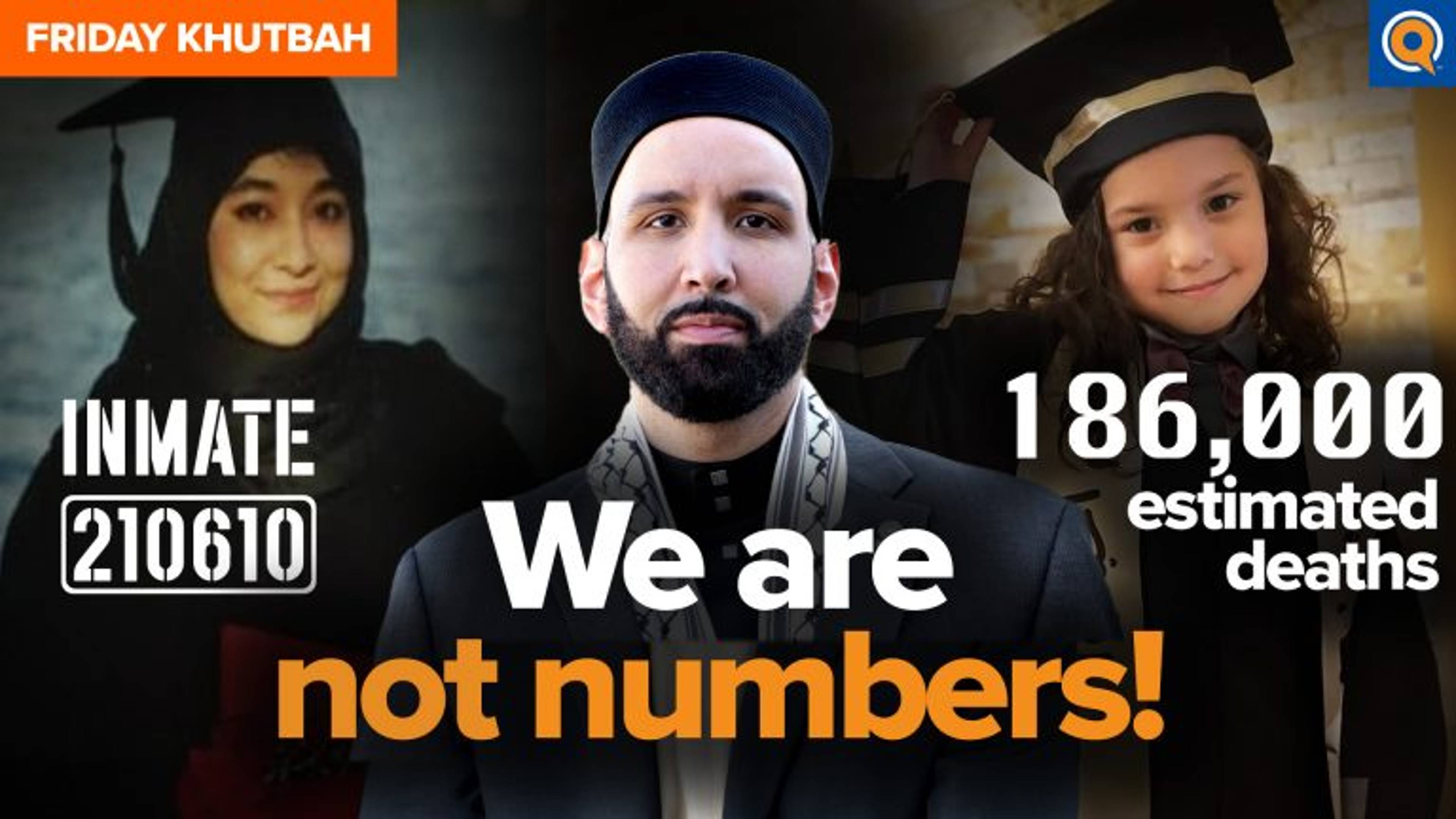
Hind Rajab to Aafia Siddiqui: Re-humanizing the De-humanized | Khutbah
When It’s Hard to say Alhamdulilah | Khutbah
Israel Has the Right to Defend Itself? | Khutbah
Is Revenge Worth it? It Hurts You More Than You Think | Khutbah
Earning Jannah While Watching a Genocide | Khutbah
What if Oppression is Our Destiny? | Khutbah
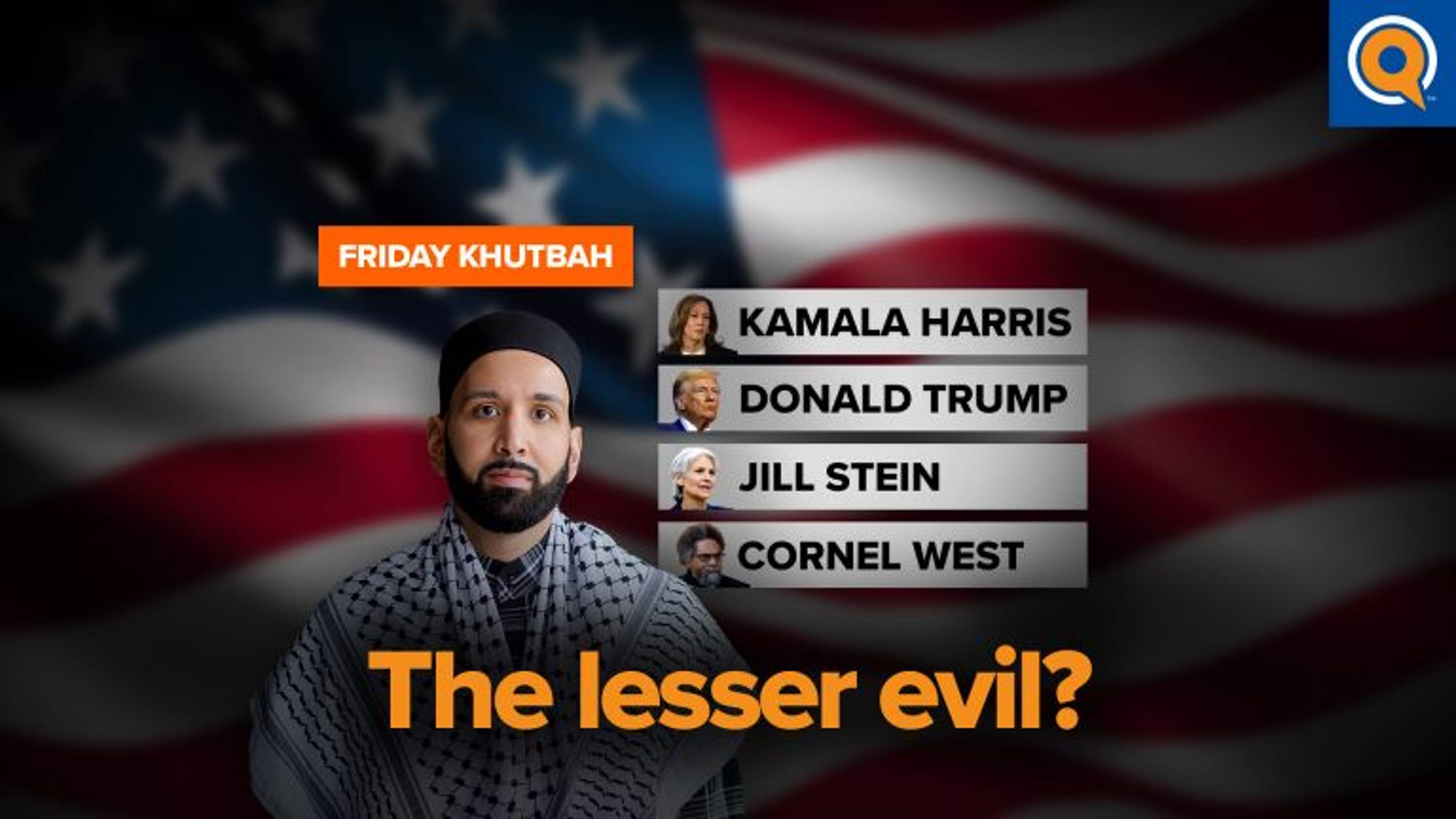
Who Do I Vote For? A message to American Muslims | Khutbah
What are Your True Intentions? Goodwill VS Ego | Khutbah
Allah Will Surprise You - Embracing the Unknown | Khutbah
Allah WILL Test You With Your Words | Khutbah
Just When You Thought It Was Over | Khutbah by Dr. Omar Suleiman
You Need to Love Allah More | Ramadan Prep Khutbah by Dr. Omar Suleiman
Beyond Halal & Haram: Are You Numbing Your Heart? | Ramadan Khutbah by Dr. Omar Suleiman
Who are the human devils amongst us? | Ramadan Khutbah by Dr. Omar Suleiman
The Amazing Connections Between Jumah and Laylatul Qadr | Ramadan Khutbah by Dr. Omar Suleiman

Do Not Abandon the Masjid After Ramadan | Khutbah by Dr. Omar Suleiman
What is your biggest fear? A wake up call amidst collapse | Khutbah by Dr. Omar Suleiman
Your Future Self Is Not Who You Think It Is | Khutbah by Dr. Omar Suleiman
How to Deal With Angry People | Khutbah by Sh. Mohammad Elshinawy
"If Only I Had the Strength…" | Khutbah by Dr. Omar Suleiman
How Allah Defends Those Who Believe | Khutbah by Dr. Omar Suleiman
India VS Pakistan: The Deadly Cost of Nationalism | Khutbah by Dr. Omar Suleiman
How the Plot of Israel Will Backfire | Khutbah by Dr. Omar Suleiman

Are You Waiting to Become a Victim? | Khutbah by Dr. Omar Suleiman
Why is the World Falling Apart? | Khutbah by Dr. Omar Suleiman
Ashura is Not Nostalgia | Khutbah by Dr. Omar Suleiman
"What I Saw in Bosnia." 30 Years After the Genocide | Lecture by Dr. Omar Suleiman
Are You Willing to Truly Sacrifice for Allah? | Lecture by Dr. Omar Suleiman
Practicing Detachment: A Daily Guide to Freeing Your Heart for Allah | Khutbah by Dr. Omar Suleiman
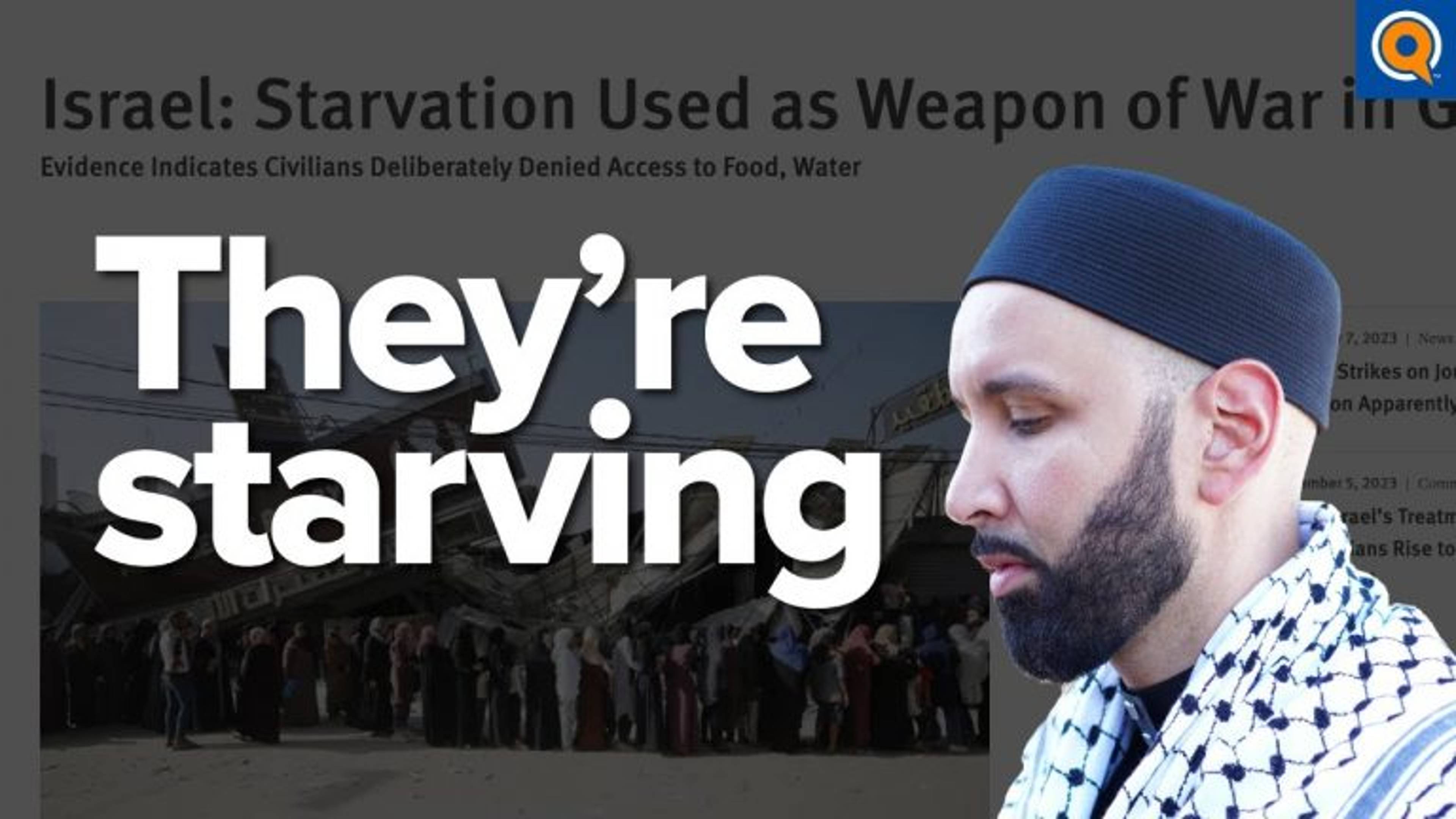
The Crime of Hunger | Khutbah by Dr. Omar Suleiman
Don’t Just Exist—Live for What Allah Created You For | Lecture by Dr. Omar Suleiman
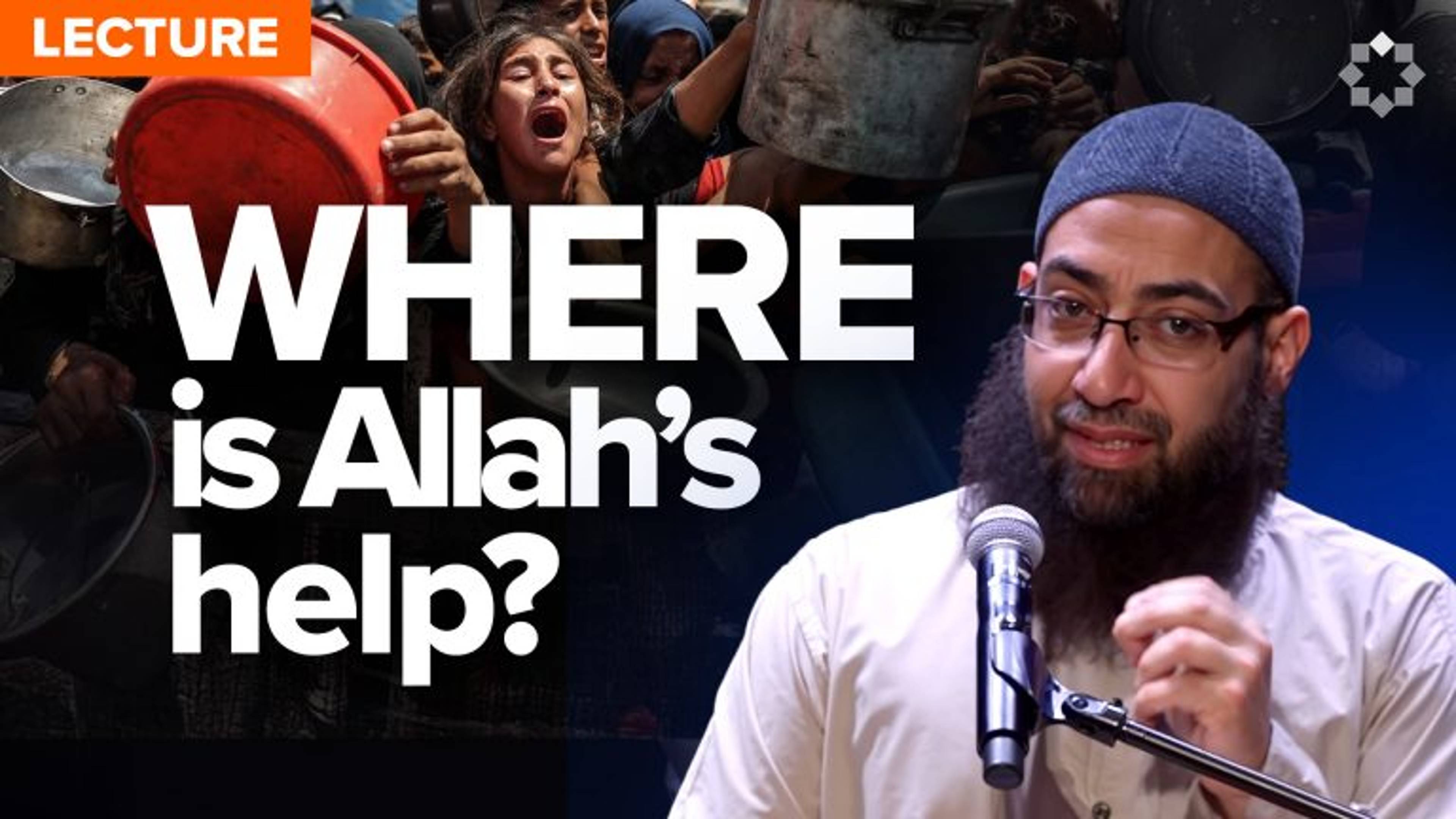
Gaza Is Starving — But Allah’s Promise Has Not Failed | Sh. Mohammad Elshinawy
The Qur’an They Can’t Bomb: Stories from Gaza | Dr. Omar Suleiman
Do People Have Hope In You? | Dr. Omar Suleiman
How You Should Eat While Gaza Starves | Khutbah by Dr. Omar Suleiman

Are You a Mediocre Muslim? | Khutbah by Dr. Omar Suleiman
Does Allah Want You to Feel Better | Khutbah by Dr. Omar Suleiman
Have Some DIGNITY Oh Muslims! - ICNA Keynote Address by Dr. Omar Suleiman
Are All Deaths Equal? How the Prophet ﷺ Would've Responded | Khutbah by Dr. Omar Suleiman
Better Than 1,000 Worshippers | Khutbah by Dr. Omar Suleiman
The Master’s Plan, Not the Master Plan | Dr. Omar Suleiman

In Defense of the Quiet Muslim | Khutbah by Dr. Omar Suleiman
From Flotillas to Yajuj & Majuj: How Gaza's Siege Will End | Khutbah by Dr. Omar Suleiman
When the War Ends: For Gaza and For You | Khutbah by Dr Omar Suleiman
Why the Qur'an Says Little About Dajjāl and the Future | Khutbah by Dr Omar Suleiman
Was It Really Worth It? Re-evaluating What We Fight Over | Khutbah by Dr Omar Suleiman
Are You A Helper of Allah? | Lecture by Dr. Omar Suleiman
How Much Du’a Do You Make for Others? | Khutbah by Dr. Omar Suleiman
A Unique Way Of Holding Yourself Accountable | Khutbah by Dr. Omar Suleiman
Let Allah See Your Energy and Effort | Khutbah by Dr. Omar Suleiman
From Enemies to Brothers: The Miracle of Unity | Lecture by Dr. Omar Suleiman
When Allah Hits You With A Wall | Khutbah by Dr. Omar Suleiman
You Can Be Punished With Comfort | Khutbah by Dr. Omar Suleiman
You're Being Tested AND Trained | Khutbah by Dr. Omar Suleiman
Win Your Quiet Battles Against Your Enemies | Khutbah by Dr. Omar Suleiman

What’s Your Personal Brand? | Lecture by Dr. Omar Suleiman

Is New-age Spirituality Harming Us? | Lecture by Dr. Omar Suleiman

Training Your Nafs in Sha'ban | Lecture by Dr. Omar Suleiman

Surround Yourself With Truth | Lecture by Dr. Omar Suleiman
Signs That Allah Is At War With You | Lecture by Dr. Omar Suleiman

How to Use the 15th of Shaʿbān to Prepare for Ramadan | Khutbah by Dr. Omar Suleiman

What It Means to Endure | Lecture by Dr. Omar Suleiman
If You Really Cared About Ramadan | Khutbah by Dr. Omar Suleiman
Has Allah Chosen You This Ramadan? | Khutbah by Dr. Omar Suleiman
Ramadan Prep 2026: A Complete Guide | Special Lecture by Dr. Omar Suleiman
How Every Day of Ramadan is Worth 70 Years | Khutbah by Dr. Omar Suleiman

The Math of Allah's Mercy | Khutbah by Dr. Omar Suleiman
How to Build Your Laylatul Qadr Du'a List | Khutbah by Dr. Omar Suleiman
The Secret to Allah’s Forgiveness | Khutbah by Dr. Omar Suleiman
New Eid Khutbah 2026 | How Do The Angels See You Now? - Dr. Omar Suleiman
Do You Only Worship Allah When Life Is Easy? | Khutbah by Dr. Omar Suleiman

Easter & The Illusion of Victory | Khutbah by Dr. Omar Suleiman
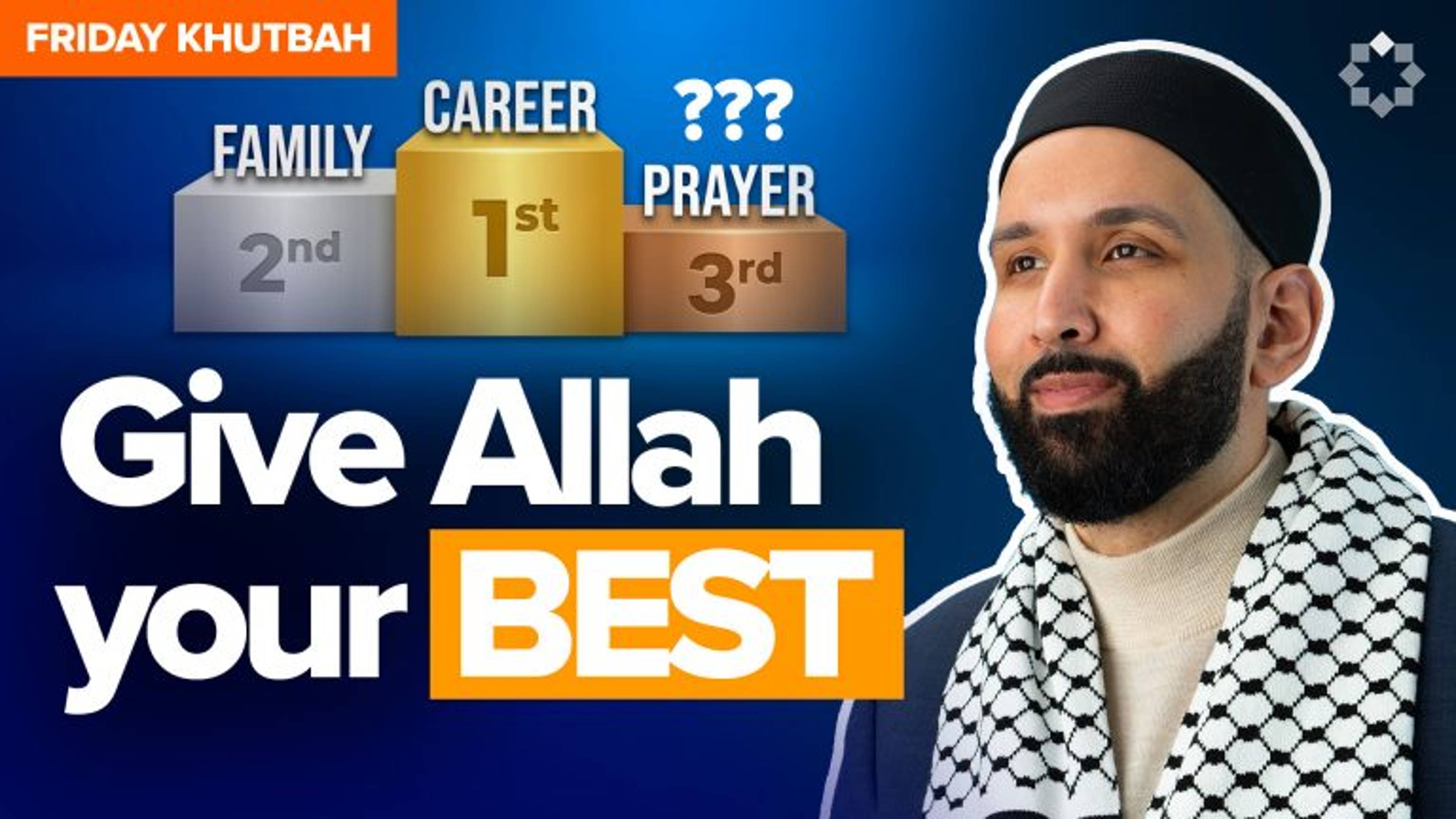
Are You Giving Allah Your Leftovers? | Khutbah by Dr. Omar Suleiman
What Did You Call Me?! | Khutbah by Dr. Omar Suleiman
A Love Story In The Year of Grief | Khutbah by Sh. Elshinawy
They Are Allah's Wake-Up Call to You | Khutbah by Dr. Omar Suleiman
You're Not A Lost Cause | Khutbah by Sh. Elshinawy
Dhul Hijjah: Don't Miss The Point | Khutbah by Dr. Omar Suleiman
From 9/11 to San Diego: The Cost of Looking Away | Khutbah by Sh. Mohammad Elshinawy
King Sulayman (AS) and The Ant That Spoke Up | Khutbah by Sh. Mohammad Elshinawy
What If I've Lost Motivation? | Khutbah by Dr. Omar Suleiman
5 Ways to Have A Good Ending | Khutbah by Dr. Omar Suleiman
Only Allah Knows What You Went Through | Khutbah by Dr. Omar Suleiman

Don't Talk To People Like You Talk to ChatGPT | Khutbah by Dr. Omar Suleiman
The Reward of Your “Invisible” Work | Khutbah by Sh. Mohammad Elshinawy
Ask Allah To Change YOU Instead | Khutbah by Dr. Omar Suleiman
The Life of Abu Bakr As-Siddiq (ra) | Khutbah by Sh. Ibrahim Hindy
When Your Sin Reaches The Land and Sea | Khutbah by Sh. Ibrahim Hindy
7 Ways Islam Dealt with Slavery (And Why It Matters Today) | Sh. Mohammad Elshinawy
Is This What We Should Be Talking About? | Khutbah by Dr. Omar Suleiman

Are You Too Sensitive? | Khutbah by Dr. Omar Suleiman
The Good You Can't Make Up | Khutbah by Dr. Omar Suleiman
This 1,000-Year-Old Story Will Change How You See Money | Khutbah by Sh. Mohammad Elshinawy
Khutbahs
What are Your True Intentions? Goodwill VS Ego | Khutbah

Sh. Elshinawy discusses the concept of naseeha (sincere advice) and reflects on a powerful question: What are our real intentions when giving advice or facing disagreements? Are we driven by sincerity and goodwill, or do pride and ego sometimes cloud our intentions?