The Nakba Explained: Why Israel Won't Win
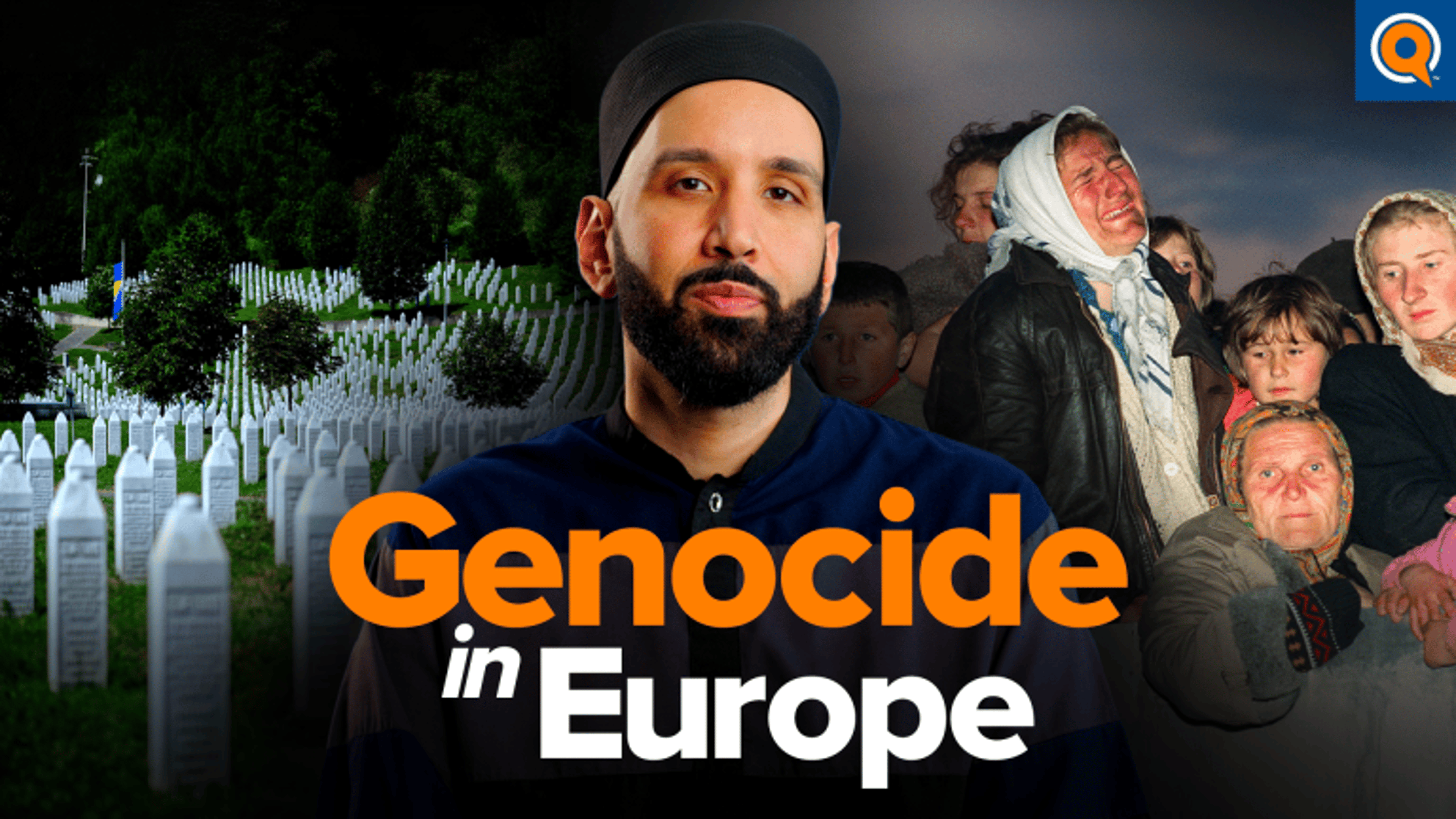
Srebrenica Massacre Explained: Europe’s Muslim Genocide
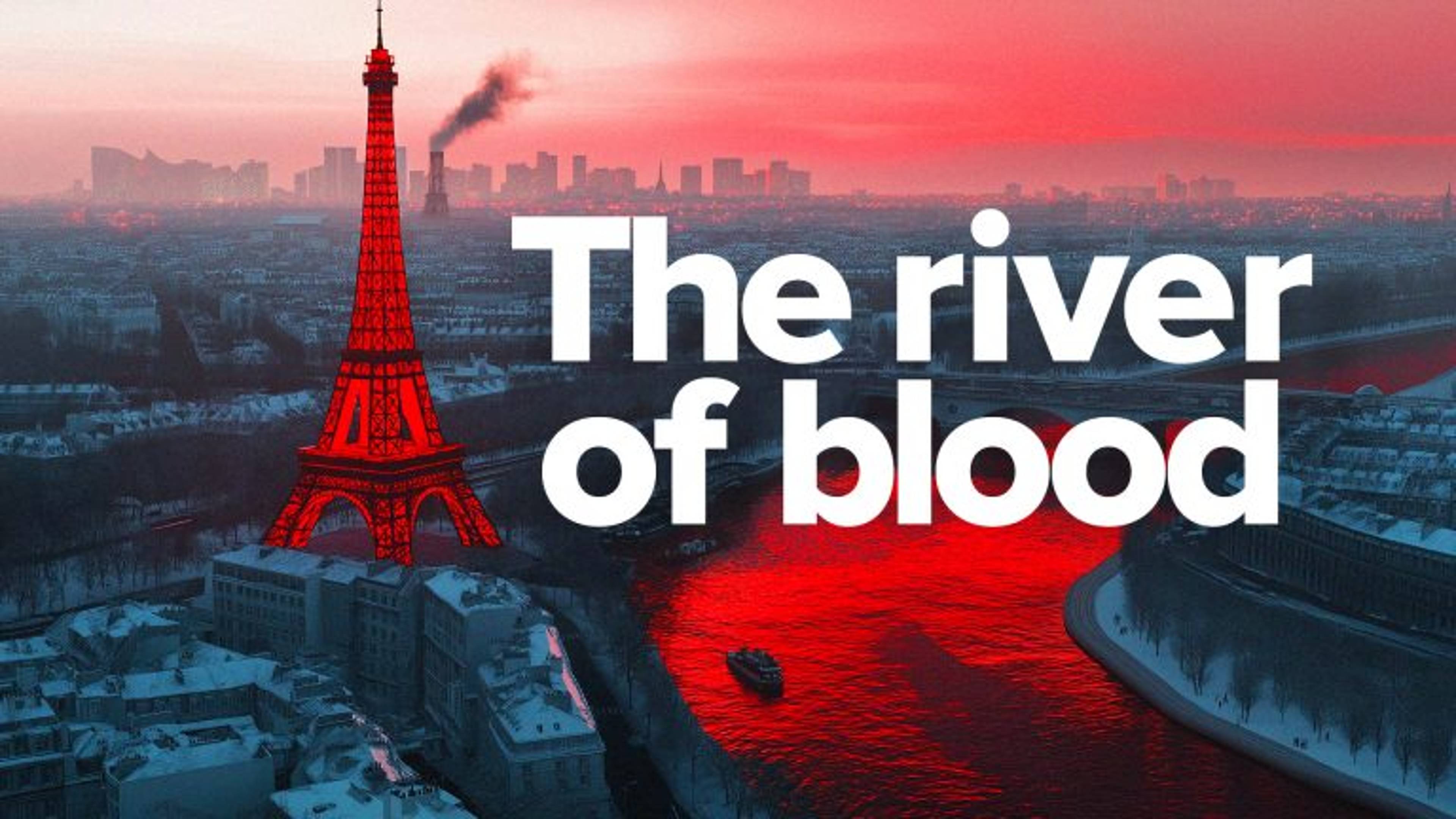
The Dirty Truth Behind Paris’ River Seine
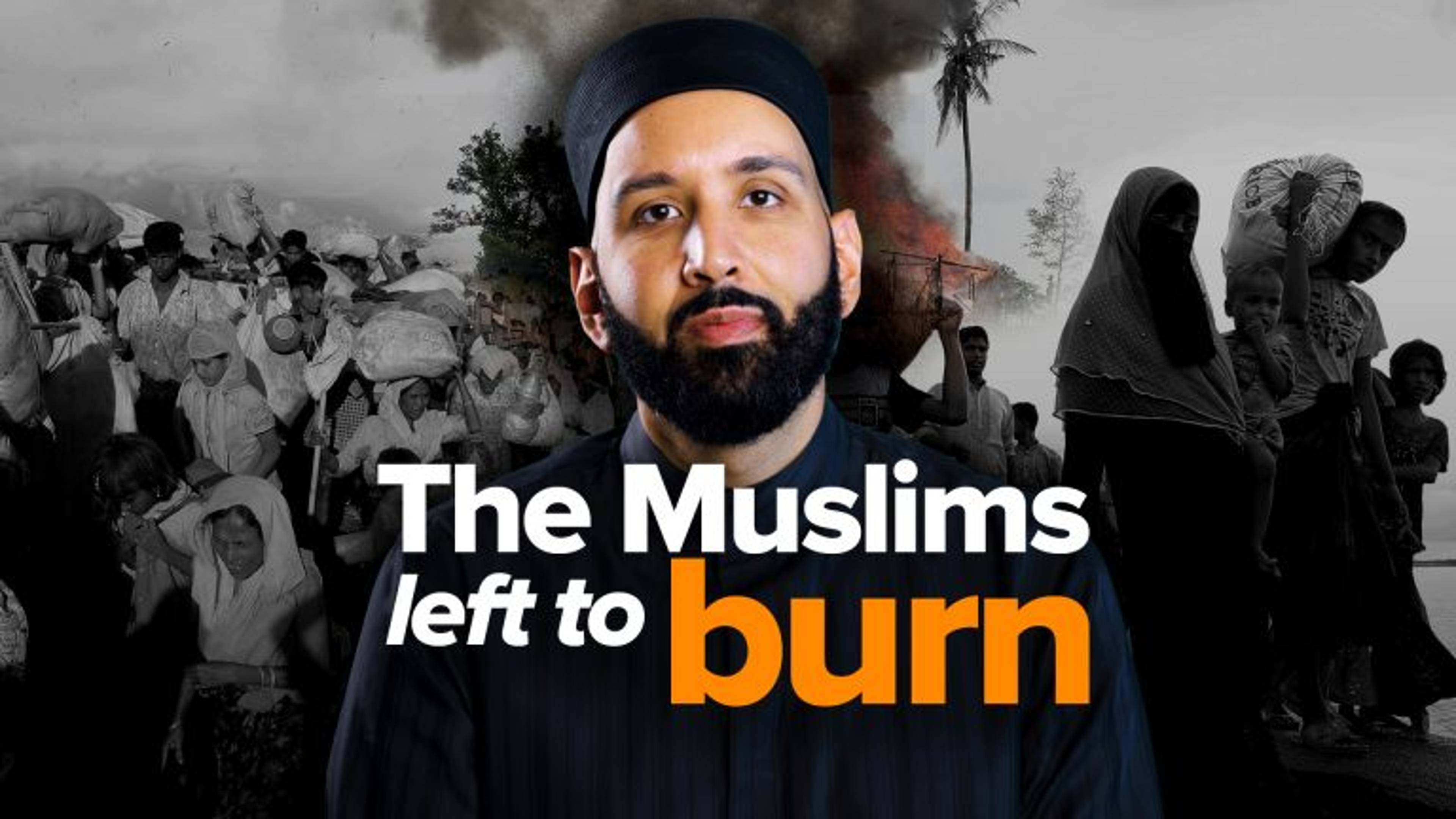
Rohingya Genocide Explained: Myanmar's Muslim Massacres
Everything That Didn't Happen on October 7th

Should Muslims Celebrate Halloween?
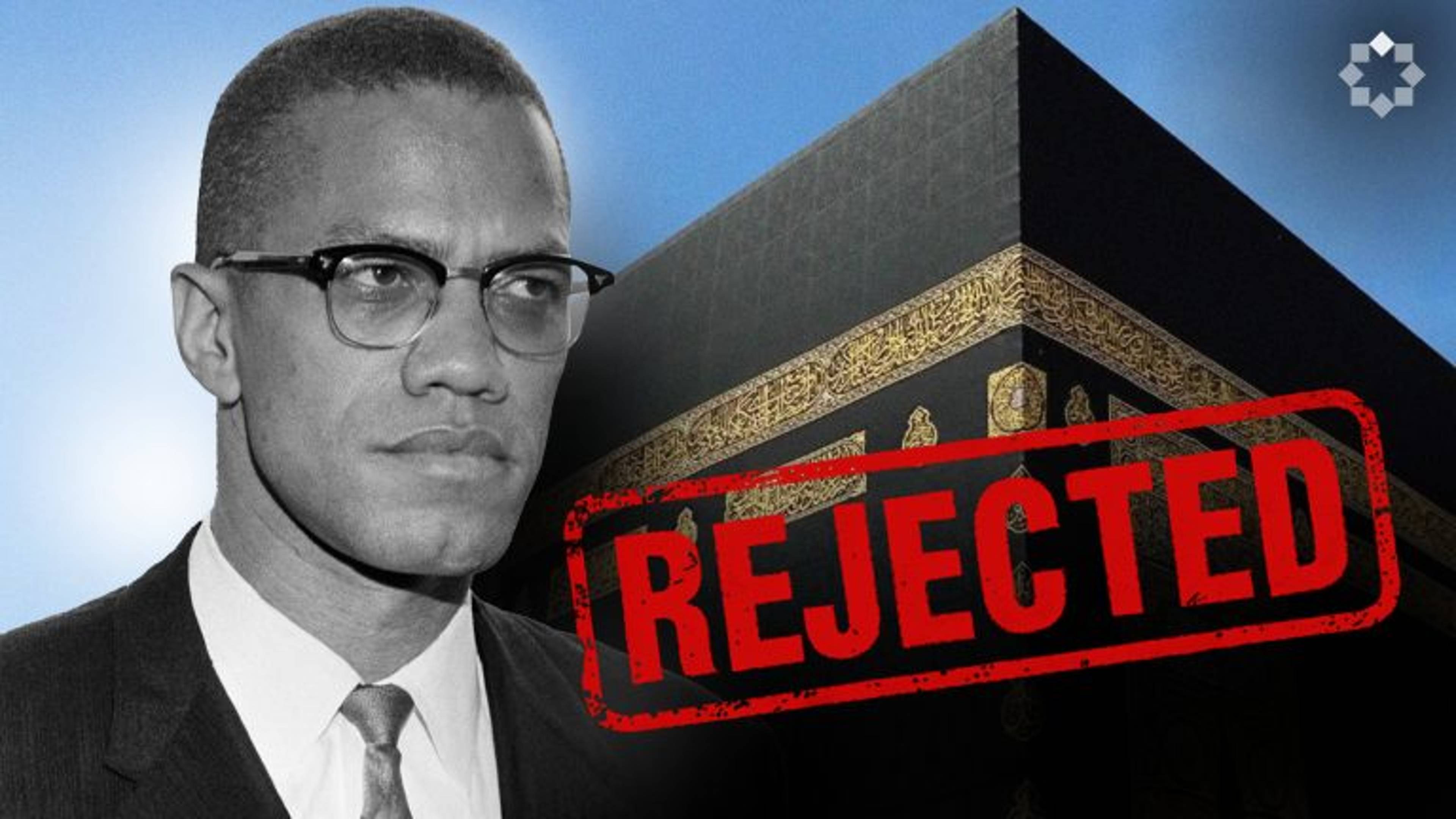
Malcolm X Was Denied Entry to Mecca. What Happened Next Changed History.
Why Muslim Prisoners Are The Key to Ending Empires

The Truth About Muslims Hating America
You Could See The Blood From Space: Sudan Genocide Explained | Sh. Ammar AlShukry

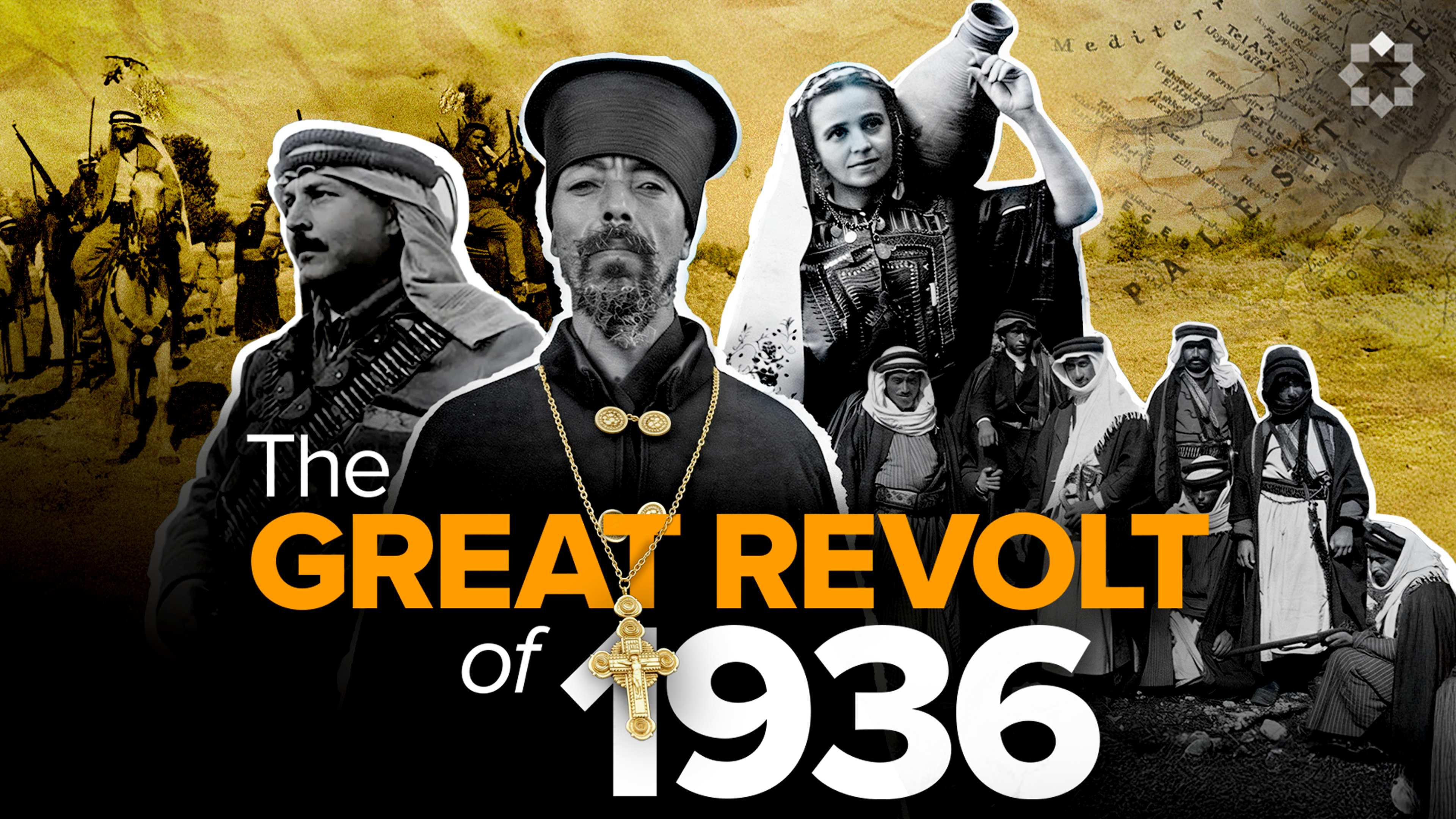
Palestine’s 1936 Great Revolt: A lie that divided Muslims and Christians | Dr. Omar Suleiman

Bosnia's Genocide, Up Close and Personal | Dr. Omar Suleiman
Why They Keep Calling Al-Aqsa the Temple Mount | Dr. Omar Suleiman
Explained
Palestine’s 1936 Great Revolt: A lie that divided Muslims and Christians | Dr. Omar Suleiman

Everything you thought you knew about the divide we see between Christians and Muslims is missing a crucial chapter.
The 1936–1939 Great Palestinian Revolt, also known as the “Arab Revolt,” was one of the most powerful displays of Muslim-Christian solidarity in modern history. British authorities and Zionists in Palestine were so threatened by this unity that they actively worked to dismantle it.
Nearly 90 years later, Christian Palestinians have been almost completely erased from the story of Palestinian resistance.
In this video, narrated by Dr. Omar Suleiman, we go back to uncover what really happened, and why it still matters to Christians and Muslims across the world today.