Becoming a Friend of Allah - Sh. Omar Suleiman | Khutbah
Overcoming Compassion Fatigue, Numbness, and Burnout - Sh. Omar Suleiman | Khutbah

Speaking a Word of Truth to a Tyrant - Sh. Omar Suleiman | Khutbah

What Do You “Smell” Like? - Sh. Omar Suleiman | Khutbah

Putting Justice Into Practice: on the George Floyd Murder and Police Brutality
A Living Heart Under Siege | Khutbah
Don't Forget Your Mistakes, Learn From Them | Khutbah
Repentance Delayed and Denied: Learning from a Dying Pharoah | Khutbah
“There is no refuge or escape from you, except to you...” | Khutbah
How Istighfar Clears the Fog | Khutbah

Don't Minimize Your Pain, Seek its Reward | Khutbah

How Aisha (ra) Became a Doctor | Khutbah

Stop Trying To Escape Death. Just Make The Most of Life | Khutbah
You Will Never Be As Alone Or Desperate As Yunus (as) | Khutbah
Do You Think You Will Enter Jannah? | Khutbah
A Message Regarding the Muslims in France | Khutbah
“Indeed, Your Enemy is The One Cut Off” | Khutbah
Maintaining Character in Chaos and Confusion | Khutbah
Allah Spared Me, Why Would I Dip my Tongue in it? | Khutbah
Allah Laughs at This Awkward Meeting | Khutbah

Black Friday: Fear of Missing Out on Good Deals or Deeds | Khutbah
Don’t Wait For Others To Ask | Khutbah
Your Father: The Middle Gate to Jannah | Khutbah
Do Not Curse Time: What A New Year Really Means | Khutbah
Three Moments That Lead to Paradise | Khutbah
Owning Our Mistakes | Khutbah
Serving the “Undeserving” | Khutbah
“A Life Cut Short...” | Khutbah
Before Our Hearts Were Hardened | Khutbah
Wash Our Hearts With Water, Snow, and Hail | Khutbah
Let Your Water Flow To Your Neighbor | Khutbah
The Blessing You Won't Forget Next Time | Khutbah
"Am I Really Sincere?" | Khutbah
Forbidden From Qiyam For Questioning His Sincerity | Khutbah
Am I Accountable for My Thoughts? | Khutbah
Two Conditions For Forgiveness in Sha'aban | Khutbah
The Knots, Whispers, Sticks & Stones of Shaytan | Khutbah
From Bad To Better & Good To Great | Khutbah by Dr. Omar Suleiman
The Best Forms Of Dhikr In Ramadan | Khutbah
What Are You Willing To Give Up For Allah? | Khutbah
5 Best Things To Do On Laylatul Qadr | Khutbah

The Effect Of Laylatul Qadr On The Heart | Khutbah
Al Aqsa Will Always Matter To Us | Khutbah
Learning Courage from Palestine & Our Predecessors | Khutbah
David and Goliath in Islam | Khutbah
Dua to Overcome Feeling Helpless | Khutbah
Sins We Commit When We’re Scared and Vulnerable | Khutbah
How Paradise Keeps Us Patient | Khutbah
The Du’a Taught to Only 1 Prophet | Khutbah
How Allah sends Salah upon you | Khutbah
One Ummah, One Body | Khutbah
When Your True Colors Show | Khutbah
The First Footstep Of Shaytan | Khutbah by Dr. Omar Suleiman
Virtues of Ashura and How to Observe It | Khutbah
When You Hit Your Lowest Point | Khutbah
The Highest Degree of Love for Allah | Khutbah
Friends That Hold You Back | Khutbah by Dr. Omar Suleiman
When People Keep Letting You Down | Khutbah by Dr. Omar Suleiman
How Tahajjud Removes Stress and Sins | Khutbah
How Would The Prophet ﷺ Advise You? | Khutbah
Inscribed on the Sword of the Prophet Muhammad ﷺ | Khutbah
A Believer Cannot Be A Liar | Khutbah
'I guarantee Jannah for the one who…' | Khutbah
Quenching Our Humanity | Khutbah
What Makes You Cry | Khutbah
7 Ways To Increase Baraka In Your Time | Khutbah
Do Not Aid an Oppressor | Khutbah
Virtual Reality & the Fitna of Dajjal | Khutbah
Seeing With The Light of Allah | Khutbah

Allah’s Name: At Tawwab - The One Who Accepts Repentance | Khutbah
Gems from the Miracles and Manners of Jesus (as) | Khutbah
But You Want Something Else From Allah | Khutbah
Allah’s Guidance | Khutbah
Do Not Belittle the Efforts of Others | Khutbah
Don’t be Hasty | Khutbah by Sh. Ibrahim Hindy
Is Allah Punishing Me? | Khutbah
Turning Your "Waste" Into Rewards | Khutbah
New Beginnings with the Messenger ﷺ | Khutbah
To Truly be Free | Khutbah
Dangerous Assumptions | Khutbah
Resting the Soul and Avoiding Burnout | Khutbah

The Day of Judgement as if You Can See it | Khutbah
Let's Let Go of Our Ego | Khutbah
How To Start Ramadan Right | Khutbah
Fasting is a Shield | Khutbah

Al-Aqsa, Indian Muslims and Ramadan Silence | Khutbah
What Allah Decides for you on Laylatul Qadr | Khutbah
Was my Ramadan Accepted? | Khutbah
Fighting the Ramadan Blues | Khutbah
Our Priorities as an Ummah | Khutbah
3 Ways to Save Yourself from Fitna | Khutbah
Social Media, Misinformation, And The Assassination of Uthman (ra) | Khutbah
Do Not Compromise Your Deen | Khutbah
Why the Shaheed would want to come back | Khutbah
The Benefits of Hasbunallahu Wa Ni'mal Wakeel | Khutbah
Our Father Ibrahim (as) Still Cares About Us | Khutbah
What to do on 'Arafah | Khutbah
The Du'as of the Salaf on Arafah | Khutbah
Uniting Our Ummah When Politics Divide | Khutbah
Your Image of Allah and Attachment to Him | Khutbah
The 3 Keys to Human Excellence | Khutbah

Life Only Starts When You Die | Khutbah
Why Ashura is so important | Khutbah
Will Anyone Remember Me? | Khutbah
Learning to Trust Allah’s Timing | Khutbah
Defining Masculinity Through Qur’an | Khutbah
Vocabulary of a Narcissist | Khutbah
The Sin of Using People | Khutbah
Think Well of Allah | Khutbah
O Allah, I Love You Even Though I Disobey You | Khutbah
Why Don't We All Have the Same Blessings? | Khutbah
A World Without Muhammad ﷺ | Khutbah
The Advice You Need to Hear | Khutbah
The Pursuit of Balance | Khutbah
The Good Deed That Ruins You | Khutbah
A Summary of Islam by the Prophet ﷺ | Khutbah
Tired of Being Taken Advantage Of | Khutbah
Lost Without Allah | Khutbah
How To Diagnose Your Heart | Khutbah
The Fear of Living an “Ordinary” Life | Khutbah
How To Change Your Desires | Khutbah
Is All Knowledge Good? | Khutbah
What Causes Du‘as to Be Unheard? | Khutbah
What the Prophet ﷺ Wished He Hadn't Asked | Khutbah
Negative Speaking and Belittling Blessings | Khutbah
When Forgiving Is Complicated | Khutbah

When Parents Beg Their Kids To Believe | Khutbah
Why Allah Allows Earthquakes and Suffering | Khutbah
Would You Pass This Test | Khutbah

Your Time to Shine #Sha'ban | Khutbah
Your Heart Isn’t Ready for Ramadan Unless… | Khutbah
A Jannah Worth Chasing | Khutbah
Your Ramadan Uniform | Khutbah
Your Greatest Motivation | Khutbah
Getting Past the Mid-Ramadan Dip | Khutbah

When Allah Gifts You With Tranquility | Khutbah
The New You | Eid Khutbah

AI and ChatGPT: Spiritual Resilience and Ethics | Khutbah

Feeling Paralyzed by Stress and Fitna? | Khutbah
The Qur’an and Intellectual Humility | Khutbah
Wasted Potential | Khutbah
Your Lord Doesn’t Forget | Khutbah

Who Should You Really Care About? | Khutbah

Where Has Your Tongue Taken You? | Khutbah

Why Would A Man Sacrifice His Son? | Khutbah
How To Make Du'a For Barakah | Khutbah

Do You Love To Argue? | Khutbah

Missed Opportunities | Khutbah
When Allah Guides Through You | Khutbah
The Ashura Within | Khutbah
Allah Appreciates Your Smallest Deeds | Khutbah
Islam's Cure for Depression | Khutbah
Conquering Your Insecurities | Khutbah

Allah Will Honor You | Khutbah

How Allah Uses “Tomorrow” in the Qur’an | Khutbah

When Love Makes You Crazy | Khutbah

Natural Disasters & The Day of Judgment | Khutbah
What Are Your Real Intentions? | Khutbah

How to Make The Most of your Salah | Khutbah
How To Practice Daily Self Accountability | Khutbah

When The World Stands Against You | Khutbah
Palestine Khutbah Outside the White House | Dr. Omar Suleiman
"What's the Point?" | Khutbah
How Palestine Exposes Hypocrisy | Khutbah
Feeling Helpless While Watching Oppression | Khutbah
Palestine Awakens the Ummah | Khutbah
What Does Islam Say About War and Justice? | Khutbah
Your Leg is Already in Paradise | Khutbah
The Value of Just One Righteous Life | Khutbah
Media Martyrs and Symbolic Resistance | Khutbah
Staying Sincere for the Cause | Khutbah
Do You Doubt the Return? | Khutbah

When Laws are Held Hostage | Khutbah
It Actually Starts with Tahajjud | Khutbah
The Most Underestimated Major Sin | Khutbah
How Allah will Mock Them | Khutbah

Is It All Our Fault? | Khutbah
Why this Sha'aban is so Important | Khutbah
What Happens on the 15th of Sha'aban? | Khutbah
Ramadan Joy and Gaza Depression | Khutbah
How to Make this Your Best Ramadan | Khutbah
Setting Character Goals in Ramadan | Khutbah
When Your Heart is On Empty | Khutbah
Those Who are Deprived on Laylatul Qadr | Khutbah
When the Decree Shocks Everyone on Laylatul Qadr | Khutbah
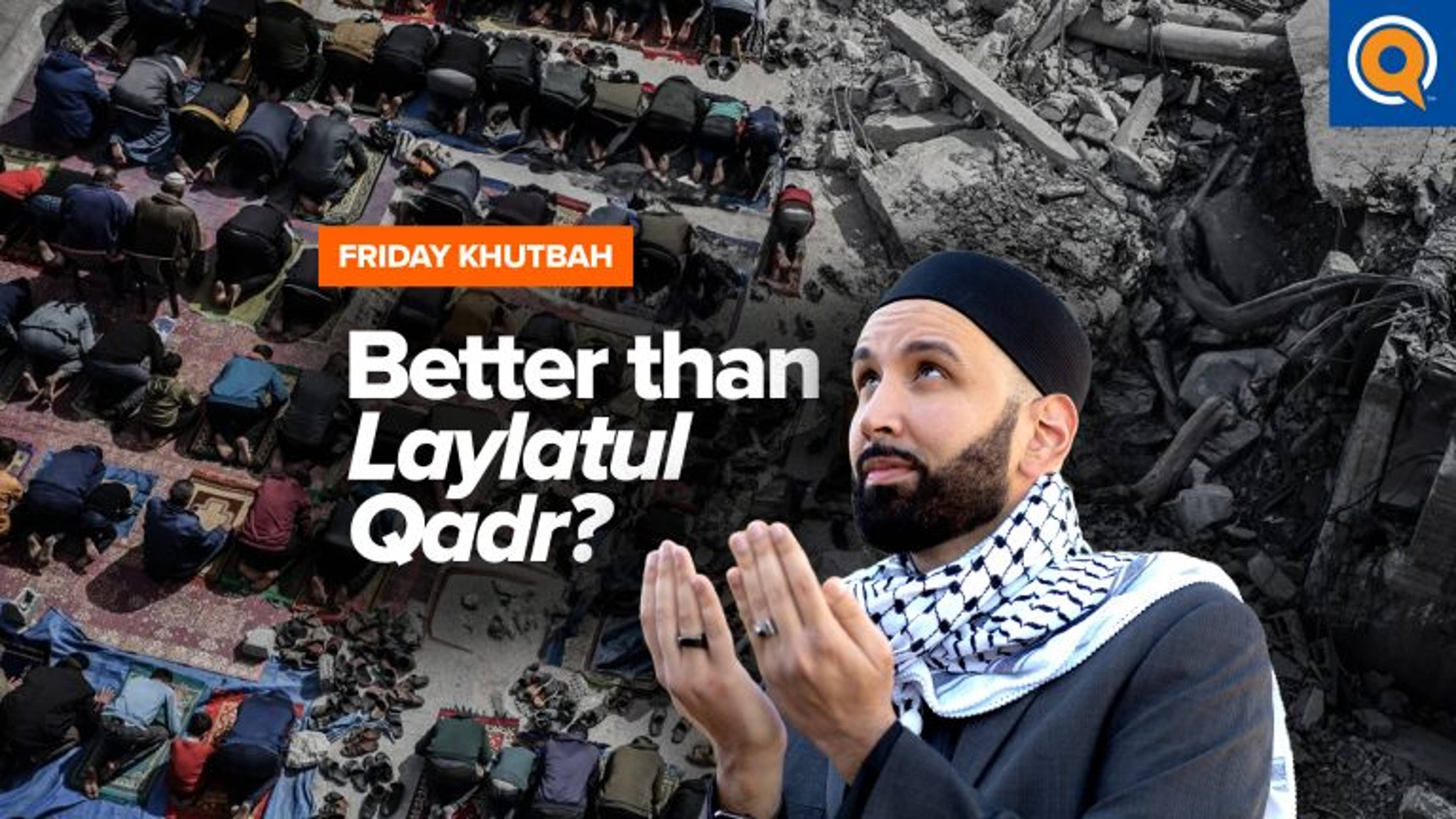
A Night Even Better than Laylatul Qadr | Khutbah
Is the End Near? | Khutbah
"Don't Move!" - Gaza Encampment at Northwestern University | Khutbah
Act and Allah Will Unlock Success | Khutbah
Overcoming Despair When We See Mutilated Bodies | Khutbah
Resistance in Exile: from Hijra to Nakba | Khutbah
The Inner Strength to Keep Fighting | Khutbah
Will Gaza be Israel's Downfall? | Khutbah
When Allah Tests You with the Truth | Khutbah
Hidden Causes of Disconnect from Allah | Khutbah
How Close Are You to the Prophet (as)? | Khutbah
The Most Important Ashura of Our Lives? | Khutbah
Is Allah Really with Us? | Khutbah
The Real History of Palestine in the Qur'an | Khutbah
The One Child Pharoah Didn't Kill | Khutbah
The Art of Finding Closure | Khutbah
Don't Let them Steal your Revolution | Khutbah

Thank God We're Not Them | Khutbah
What If I Can't Look Anymore? | Khutbah
Wounds That Aren't Meant To Heal | Khutbah

Your False Sense of Security: From Gaza and Beyond | Khutbah
Hind Rajab to Aafia Siddiqui: Re-humanizing the De-humanized | Khutbah
When It’s Hard to say Alhamdulilah | Khutbah
Israel Has the Right to Defend Itself? | Khutbah
Is Revenge Worth it? It Hurts You More Than You Think | Khutbah
Earning Jannah While Watching a Genocide | Khutbah
What if Oppression is Our Destiny? | Khutbah
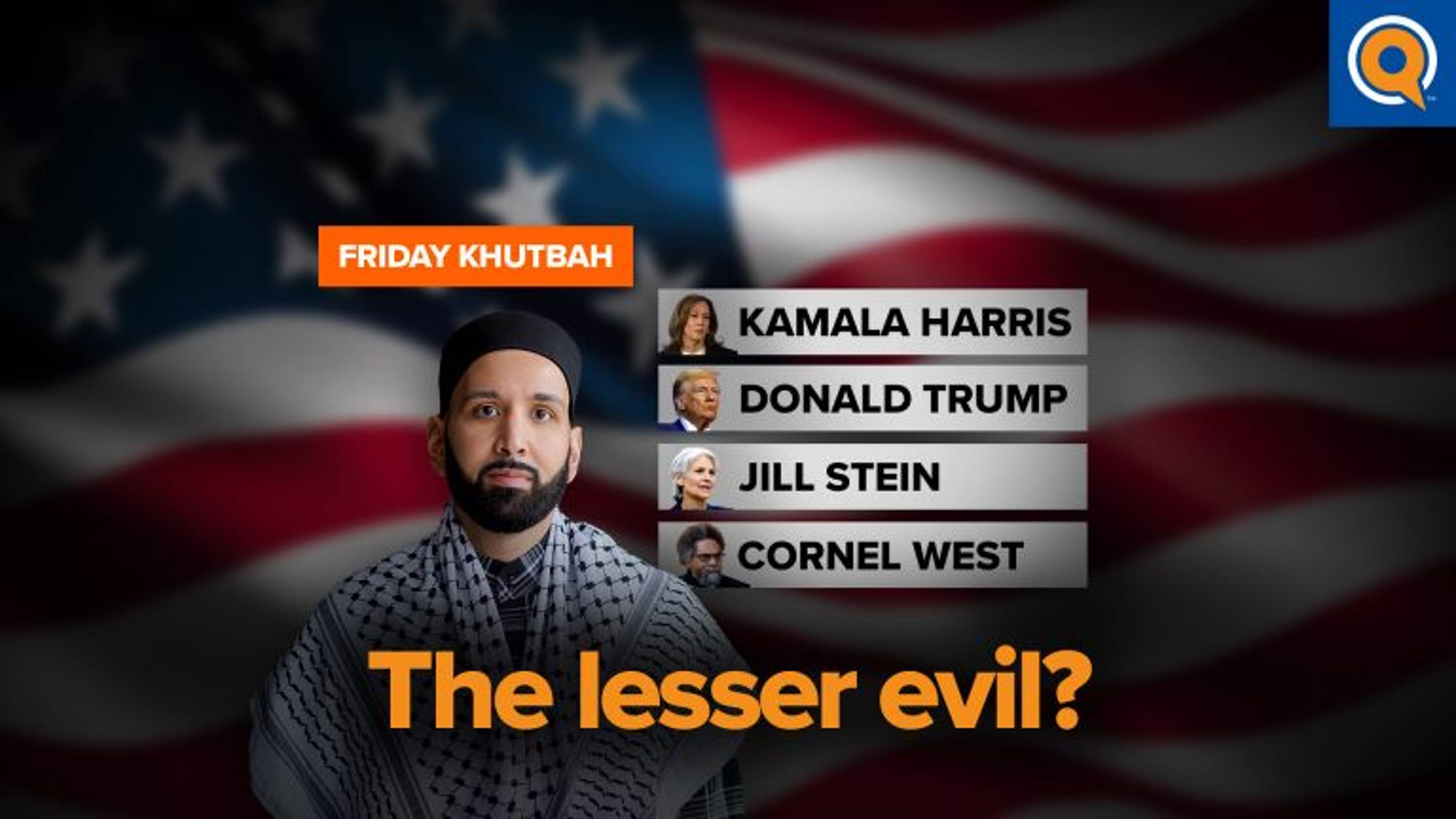
Who Do I Vote For? A message to American Muslims | Khutbah
What are Your True Intentions? Goodwill VS Ego | Khutbah
Allah Will Surprise You - Embracing the Unknown | Khutbah
Allah WILL Test You With Your Words | Khutbah
Just When You Thought It Was Over | Khutbah by Dr. Omar Suleiman
You Need to Love Allah More | Ramadan Prep Khutbah by Dr. Omar Suleiman
Beyond Halal & Haram: Are You Numbing Your Heart? | Ramadan Khutbah by Dr. Omar Suleiman
Who are the human devils amongst us? | Ramadan Khutbah by Dr. Omar Suleiman
The Amazing Connections Between Jumah and Laylatul Qadr | Ramadan Khutbah by Dr. Omar Suleiman

Do Not Abandon the Masjid After Ramadan | Khutbah by Dr. Omar Suleiman
What is your biggest fear? A wake up call amidst collapse | Khutbah by Dr. Omar Suleiman
Your Future Self Is Not Who You Think It Is | Khutbah by Dr. Omar Suleiman
How to Deal With Angry People | Khutbah by Sh. Mohammad Elshinawy
"If Only I Had the Strength…" | Khutbah by Dr. Omar Suleiman
How Allah Defends Those Who Believe | Khutbah by Dr. Omar Suleiman
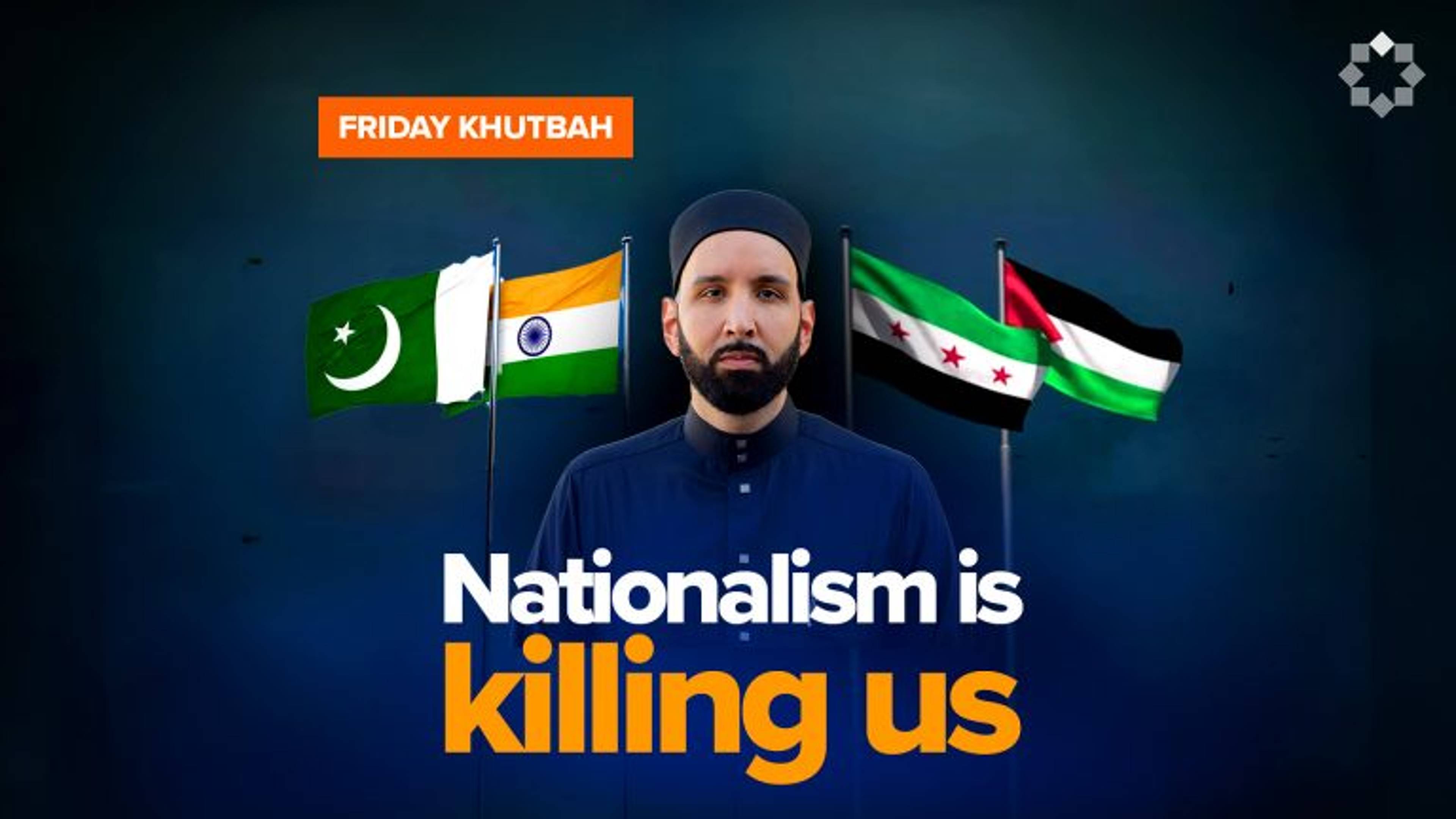
India VS Pakistan: The Deadly Cost of Nationalism | Khutbah by Dr. Omar Suleiman
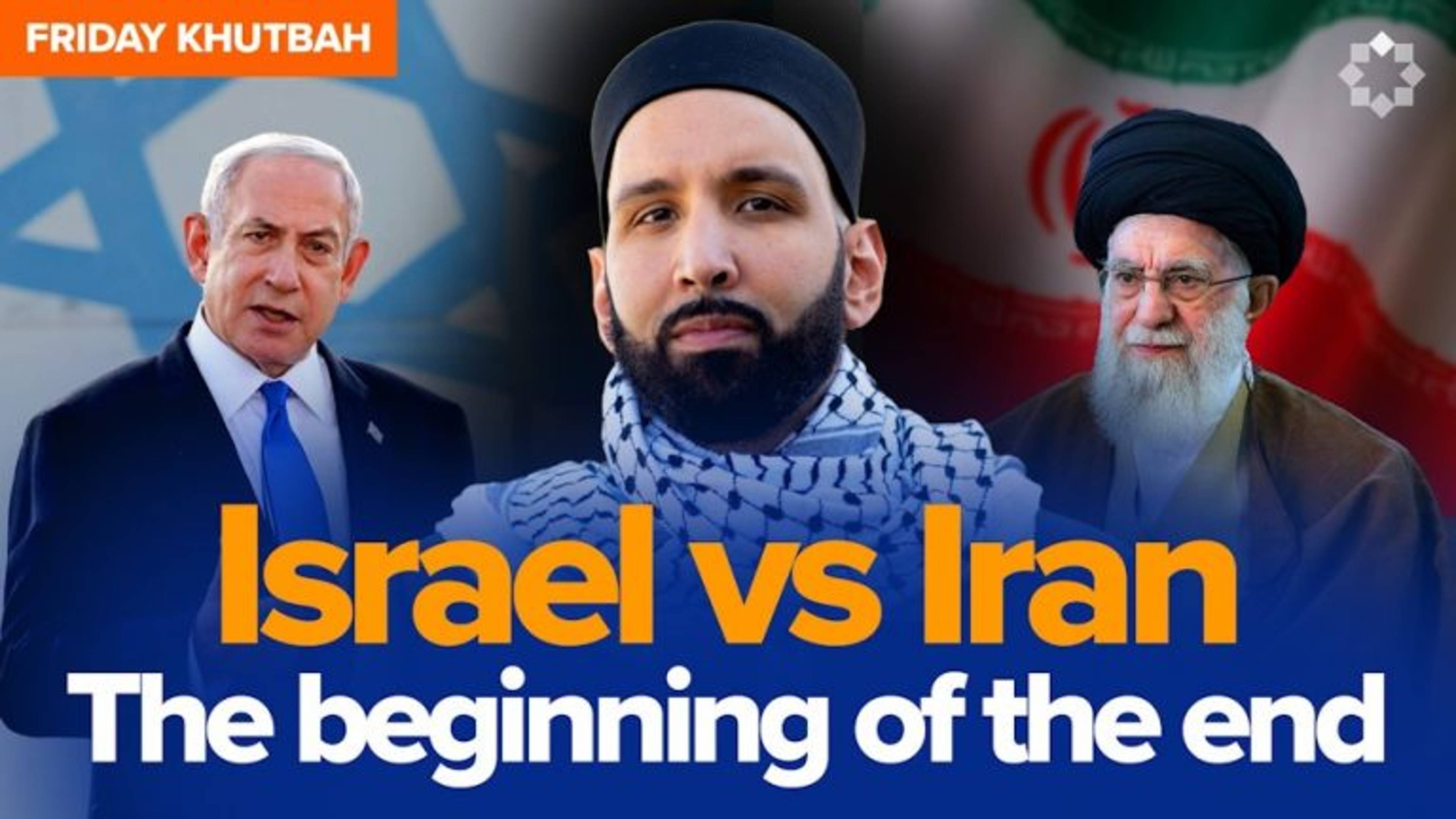
How the Plot of Israel Will Backfire | Khutbah by Dr. Omar Suleiman

Are You Waiting to Become a Victim? | Khutbah by Dr. Omar Suleiman
Why is the World Falling Apart? | Khutbah by Dr. Omar Suleiman
Ashura is Not Nostalgia | Khutbah by Dr. Omar Suleiman
"What I Saw in Bosnia." 30 Years After the Genocide | Lecture by Dr. Omar Suleiman
Are You Willing to Truly Sacrifice for Allah? | Lecture by Dr. Omar Suleiman
Practicing Detachment: A Daily Guide to Freeing Your Heart for Allah | Khutbah by Dr. Omar Suleiman
The Crime of Hunger | Khutbah by Dr. Omar Suleiman
Don’t Just Exist—Live for What Allah Created You For | Lecture by Dr. Omar Suleiman
Gaza Is Starving — But Allah’s Promise Has Not Failed | Sh. Mohammad Elshinawy
The Qur’an They Can’t Bomb: Stories from Gaza | Dr. Omar Suleiman
Do People Have Hope In You? | Dr. Omar Suleiman
How You Should Eat While Gaza Starves | Khutbah by Dr. Omar Suleiman

Are You a Mediocre Muslim? | Khutbah by Dr. Omar Suleiman
Does Allah Want You to Feel Better | Khutbah by Dr. Omar Suleiman
Have Some DIGNITY Oh Muslims! - ICNA Keynote Address by Dr. Omar Suleiman
Are All Deaths Equal? How the Prophet ﷺ Would've Responded | Khutbah by Dr. Omar Suleiman
Better Than 1,000 Worshippers | Khutbah by Dr. Omar Suleiman
The Master’s Plan, Not the Master Plan | Dr. Omar Suleiman

In Defense of the Quiet Muslim | Khutbah by Dr. Omar Suleiman
From Flotillas to Yajuj & Majuj: How Gaza's Siege Will End | Khutbah by Dr. Omar Suleiman
When the War Ends: For Gaza and For You | Khutbah by Dr Omar Suleiman
Why the Qur'an Says Little About Dajjāl and the Future | Khutbah by Dr Omar Suleiman
Was It Really Worth It? Re-evaluating What We Fight Over | Khutbah by Dr Omar Suleiman
Are You A Helper of Allah? | Lecture by Dr. Omar Suleiman
How Much Du’a Do You Make for Others? | Khutbah by Dr. Omar Suleiman
A Unique Way Of Holding Yourself Accountable | Khutbah by Dr. Omar Suleiman
Let Allah See Your Energy and Effort | Khutbah by Dr. Omar Suleiman
From Enemies to Brothers: The Miracle of Unity | Lecture by Dr. Omar Suleiman
When Allah Hits You With A Wall | Khutbah by Dr. Omar Suleiman
You Can Be Punished With Comfort | Khutbah by Dr. Omar Suleiman
You're Being Tested AND Trained | Khutbah by Dr. Omar Suleiman
Win Your Quiet Battles Against Your Enemies | Khutbah by Dr. Omar Suleiman

What’s Your Personal Brand? | Lecture by Dr. Omar Suleiman

Is New-age Spirituality Harming Us? | Lecture by Dr. Omar Suleiman

Training Your Nafs in Sha'ban | Lecture by Dr. Omar Suleiman

Surround Yourself With Truth | Lecture by Dr. Omar Suleiman
Signs That Allah Is At War With You | Lecture by Dr. Omar Suleiman

How to Use the 15th of Shaʿbān to Prepare for Ramadan | Khutbah by Dr. Omar Suleiman

What It Means to Endure | Lecture by Dr. Omar Suleiman
If You Really Cared About Ramadan | Khutbah by Dr. Omar Suleiman
Has Allah Chosen You This Ramadan? | Khutbah by Dr. Omar Suleiman
Ramadan Prep 2026: A Complete Guide | Special Lecture by Dr. Omar Suleiman
How Every Day of Ramadan is Worth 70 Years | Khutbah by Dr. Omar Suleiman

The Math of Allah's Mercy | Khutbah by Dr. Omar Suleiman
How to Build Your Laylatul Qadr Du'a List | Khutbah by Dr. Omar Suleiman
The Secret to Allah’s Forgiveness | Khutbah by Dr. Omar Suleiman
New Eid Khutbah 2026 | How Do The Angels See You Now? - Dr. Omar Suleiman
Do You Only Worship Allah When Life Is Easy? | Khutbah by Dr. Omar Suleiman

Easter & The Illusion of Victory | Khutbah by Dr. Omar Suleiman
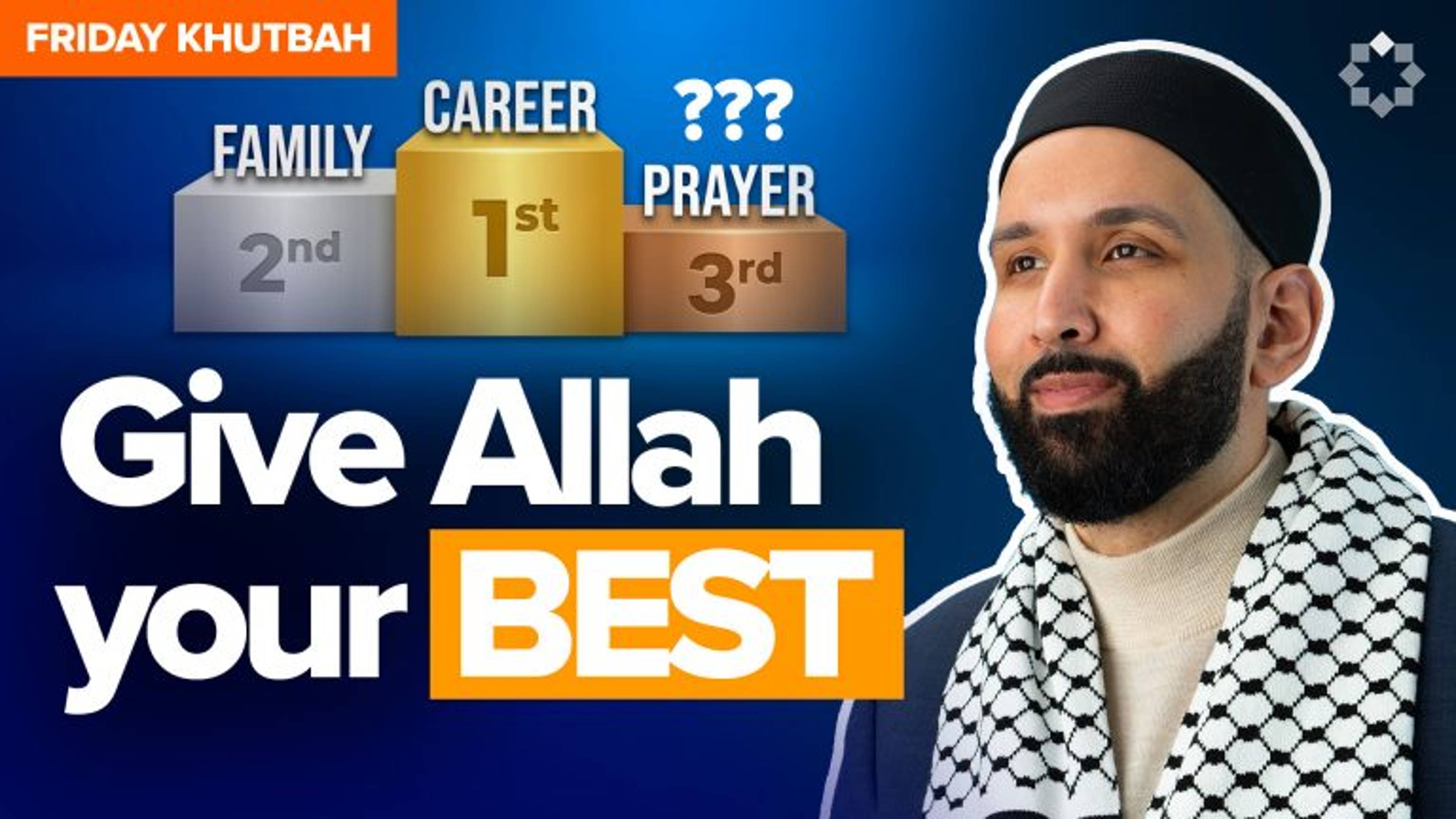
Are You Giving Allah Your Leftovers? | Khutbah by Dr. Omar Suleiman
What Did You Call Me?! | Khutbah by Dr. Omar Suleiman
A Love Story In The Year of Grief | Khutbah by Sh. Elshinawy
They Are Allah's Wake-Up Call to You | Khutbah by Dr. Omar Suleiman
You're Not A Lost Cause | Khutbah by Sh. Elshinawy
Dhul Hijjah: Don't Miss The Point | Khutbah by Dr. Omar Suleiman
From 9/11 to San Diego: The Cost of Looking Away | Khutbah by Sh. Mohammad Elshinawy
King Sulayman (AS) and The Ant That Spoke Up | Khutbah by Sh. Mohammad Elshinawy
What If I've Lost Motivation? | Khutbah by Dr. Omar Suleiman
5 Ways to Have A Good Ending | Khutbah by Dr. Omar Suleiman
Only Allah Knows What You Went Through | Khutbah by Dr. Omar Suleiman

Don't Talk To People Like You Talk to ChatGPT | Khutbah by Dr. Omar Suleiman
The Reward of Your “Invisible” Work | Khutbah by Sh. Mohammad Elshinawy
Ask Allah To Change YOU Instead | Khutbah by Dr. Omar Suleiman
The Life of Abu Bakr As-Siddiq (ra) | Khutbah by Sh. Ibrahim Hindy
When Your Sin Reaches The Land and Sea | Khutbah by Sh. Ibrahim Hindy
7 Ways Islam Dealt with Slavery (And Why It Matters Today) | Sh. Mohammad Elshinawy
Is This What We Should Be Talking About? | Khutbah by Dr. Omar Suleiman
Are You Too Sensitive? | Khutbah by Dr. Omar Suleiman
The Good You Can't Make Up | Khutbah by Dr. Omar Suleiman
Are You Running Away From Your Rizq? | Khutbah by Sh. Mohammad Elshinawy
How To Fix Your Life | Khutbah by Dr. Omar Suleiman
9/11 Anniversary: Who Taught You To Hate? | Khutbah by Dr. Omar Suleiman
False Hopes in Allah and Other Things That Won’t Help | Khutbah by Sh. Mohammad Elshinawy

Why The Prophet ﷺ Told Hosts To Do LESS | Khutbah by Sh. Mohammad Elshinawy

How To Raise Young Muslims in a Land Built Against Them | Khutbah by Sh. Mohammad Elshinawy
Pursue Your Rizq Even With An Axe | Khutbah by Dr. Omar Suleiman
Khutbahs
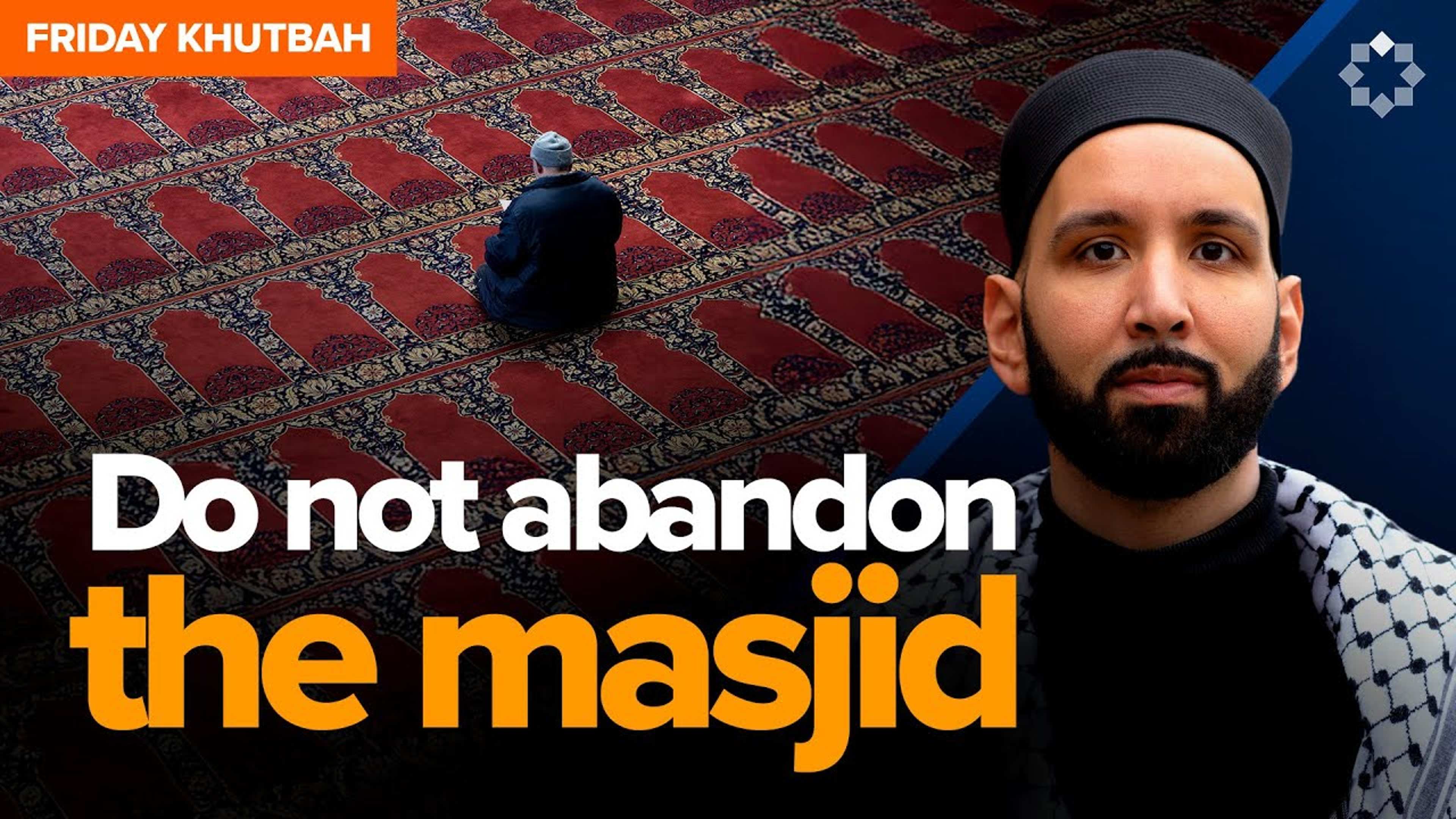
Do Not Abandon the Masjid After Ramadan | Khutbah by Dr. Omar Suleiman

In this khutbah, Dr. Omar Suleiman emphasizes the importance of making and keeping the masjid central to our lives, even after Ramadan. He explores how regular attendance and active participation in congregational prayers strengthen our faith and help us stay aligned with the Sunnah of the Prophet ﷺ. This khutbah is also a reminder to continue seeking Allah’s guidance year-round inshaAllah.