
The Firsts | The Forerunners of Islam
Trendsetters, Revivers, and Strangers
Zaid Ibn Amr (ra): A One Man Ummah

Waraqa Ibn Nawfal: The First to Confirm Prophethood
Khadijah (ra): His First Love, Our First Mother
Umm Ayman (ra): The Woman Who Never Stopped Caring
Ali ibn Abi Talib (ra): Courageous & Steadfast

The First Family: The Beautiful Marriage of Ali and Fatima

The First Family - Part 2: From Love to the Pain of Death
Abu Bakr (ra): Second to None in the Pursuit of God
Abu Bakr (ra) - Part 2: Setting His Own Standards
Abu Bakr (ra) - Part 3: There Will Never Be Another One

The Plague that Killed Sahaba and the Coronavirus
Zayd Ibn Al Haritha (ra): Loved and Liberated

Sumayyah (ra): The First Martyr
Khabbab Ibn Al Aratt (ra) - Under Burning Hot Coals
Bilal ibn Rabah (ra): The Voice of Certainty
Suhaib Ibn Sinan Al Rumi (ra): From Persia, to Rome, to Paradise
Al-Arqam Ibn Abil Arqam: The House of Islam
Lubaba Bint Al-Harith (ra): The First Woman After Khadijah (ra)
Zaynab Bint Muhammad (saw): The First Daughter (ra)

Uthman Ibn Affan (ra): The Possessor of Two Lights
Uthman Ibn Affan (ra) - Part 2: The Possessor of Two Lights
Saad Ibn Abi Waqqas (ra): His Prayers Always Answered

Abdullah Ibn Masood (ra): A Mighty Legacy of Qur'an

Abu Dharr Al Ghifari (ra): Living and Dying Alone

Jafar Ibn Abi Talib (ra): Flying in Paradise
Najashi - Ashama Ibn Abjar (ra): The Righteous King

Umm Salama (ra): A Separated Family (Part 1)

Umm Salama (ra): A Legacy of Wisdom (Part 2)

Umm Habiba (ra): A Dream Come True (Part 1)
Umm Habiba (ra) - Part 2: Royalty Redefined

Saffiyah Bint Abdul Mutallib (ra) : A Warrior Aunt
Zubayr Ibn Awwam (ra): The Disciple

Asma Bint Abi Bakr (ra) : The Possessor of Two Waist Belts
Talha Ibn Ubaydillah (ra): The Living Martyr
Abu Hudhaifa Ibn Utbah (ra): Seeking Another Status
Saalim Mawla Abu Hudhaifa (ra) : The Imam of the People of Quran

Sawda Bint Zama’a (ra): The Prophet’s Joy

Abu Ubaydah Ibn Al Jarrah (ra): The Trustworthy One
Abdurrahman Ibn Awf (ra): A Generous Soul
Hamza Ibn Abdulmuttalib (ra): The Lion of Allah | The Firsts by Dr. Omar Suleiman
Miqdad Ibn Aswad (ra) : Better Than A Thousand Men | The Firsts

Khawla Bint Hakim & Uthman Ibn Madhun: The Righteous Couple | The Firsts

Omar Ibn Al Khattab (ra) - The Convert Who Changed The World | The Firsts
Omar Ibn Al Khattab (ra): 10 Unique Virtues | The Firsts

Omar Ibn Al Khattab (ra): The Opening of Jerusalem | The Firsts with Dr. Omar Suleiman
Omar Ibn Al Khattab (ra): His Leadership, His Legacy, His Death | The Firsts

Abu Jandal, Abdullah, & Suhayl Ibn Amr (ra) : Switching Sides | The Firsts

Abdullah Ibn Umm Maktum (ra): After Abasa | The Firsts with Dr. Omar Suleiman

Musab Ibn Umair (ra): The Man Who Gave It All | The Firsts

Al-Shifa bint Abdullah (ra): The Healer and Scholar | The Firsts Shorts

Khunais ibn Hudhafah (ra): The First Husband of Hafsa (ra) | The Firsts Shorts

Abdullah ibn Hudhafah (ra): The Man Who Wouldn't Flinch | The Firsts Shorts
Atika bint Zayd (ra) - The Wife of Many Martyrs | The Firsts Shorts
Ayyash ibn Abi Rabiah (ra) - The Guilt Trip That Led To Captivity | The Firsts Shorts
Utbah ibn Ghazwan (ra) | The Humble Governor | The Firsts Shorts
Shurahbil Ibn Hasana (ra): The Scribe and Commander | The Firsts Shorts

Abdullah ibn Jahsh (ra): An Accepted Prayer | The Firsts Shorts

Abu Ahmad Abd Ibn Jahsh (ra): The Other Blind Companion | The Firsts Shorts

Zaynab Bint Khuzayma (ra): The Mother of the Poor | The Firsts Shorts
Ukasha ibn al-Mihsan (ra): He Beat You To It | The Firsts Shorts

Nuaym Ibn Abdullah (ra): Redirecting History | The Firsts Shorts
Subay'a Al-Aslamiyya (ra): The Iddah of a Widow | The Firsts Shorts

Khalid Ibn Sa’id Ibn al-'As (ra): A Dream of the Prophet | The Firsts

Rayta Bint Al-Harith (ra): Poisoned on the Way | The Firsts Shorts

Anisa, Al-Numan, and Amir (ra): On A Boat From Abysinnia | The Firsts
Amir Ibn Fuhayra (ra): The Guide on the Hijrah | The Firsts

Zinneera (ra) and Aflah (ra): The Tortured Ones | The Firsts

Umm Kulthum Bint Uqbah Ibn Abi Muayt (ra): The Enemy's Daughter | The Firsts

Mihja, Umayr, and Ubayda (ra): The Martyrs of Badr | The Firsts

Loving the Ansar | The Firsts
As’ad Ibn Zurara (ra): The First Convert of Madinah | The Firsts

Usayd Ibn Hudayr (ra): Transformed by the Quran | The Firsts

Sa'ad Ibn Muadh (ra): The Man Who Shook The Throne | The Firsts
Sa'ad Ibn Ubadah (ra): The Generous Chief | The Firsts
Umm Sulaym (ra): Her Dowry Was Islam | The Firsts
Anas ibn Malik (ra): In Service of the Beloved | The Firsts

Umm Haram (ra): When Dreams Come True | The Firsts

Ubadah ibn al-Samit (ra): A Man Equal to a Thousand Men | The Firsts

Al Bara' Ibn Malik (ra): The Underestimated Hero | The Firsts
Abu Ayyub Al Ansari (ra): The Host of the Prophet | The Firsts
Abdullah ibn Salam (ra): The Righteous Rabbi | The Firsts

Salman Al Farsi (ra): The Truth Seeker | The Firsts
Salman Al Farsi (ra): Back to Persia | The Firsts

Abu Darda (ra): The Scholar Who Wouldn't Sleep | The Firsts
Abdullah Ibn Rawahah (ra): The Warrior Poet | The Firsts
Ka'ab Ibn Malik (ra): The Greatest Story of Repentance | The Firsts
Hassan Ibn Thabit (ra): The Master of All Poets | The Firsts
Nusaybah bint Ka'ab (ra): The Woman Warrior | The Firsts
Zayd ibn Thabit (ra): The Scribe of the Prophet ﷺ | The Firsts
Muadh Ibn Jabal (ra): Most Knowledgeable & Beloved | The Firsts
Ubayy ibn Ka'b (ra): The Master of all Reciters | The Firsts
Umm Waraqa bint Abdullah (ra): The Martyred Hafidha | The Firsts
Asma Bint Yazid (ra): The Orator of the Women | The Firsts

Amr ibn Al Jamuh (ra): No Limping in Jannah | The Firsts

Abdullah ibn Abdullah ibn Ubayy (ra): The son of the Chief Hypocrite | The Firsts

Hanzala Ibn Abi Amr (ra) and Jameela (ra): When Angels Bathe You | The Firsts

Jabir ibn Abdullah (ra): The Orphan With 7 Sisters | The Firsts
Kulthum ibn al-Hadm (ra) and Sa'ad ibn Khaythamah (ra): The Hosts of Masjid Quba | The Firsts

Aisha bint Abu Bakr (ra): The Early Years of Sacrifice | The Firsts
Aisha bint Abu Bakr (ra): The Love Story | The Firsts
Aisha bint Abu Bakr (ra): Slander and Death of the Prophet ﷺ | The Firsts

Aisha bint Abu Bakr (ra): Legacy and Life after Rasulallah ﷺ | The Firsts

Hafsa bint Umar (ra): Saved by Devotion | The Firsts

Zaynab bint Jahsh (ra): The Longest Arm | The Firsts

Juwayriya bint al-Harith (ra): A Blessing to Her People | The Firsts

Safiyya bint Huyayy (ra): A Heart of Gold | The Firsts
Maymunah bint al-Harith (ra): A Blessed Wedding | The Firsts
Hudhayfah ibn al-Yaman (ra): The Secret Keeper | The Firsts
Tufayl ibn Amr (ra): The Hidden Legend | The Firsts

Abu Huraira (ra): The Preserver of Hadith | The Firsts

Abu Musa al-Ash‘ari (ra): A Voice Like No Other | Sahaba Stories (The Firsts)

Umm Ma’bad (ra): The Description of the Prophet ﷺ | The Firsts

Suraqa ibn Malik (ra): The Bounty Hunter | The Firsts

Burayda ibn al-Husayb (ra): An Unlikely Convert | The Firsts

The Amwas Plague | The Firsts Documentary Special

Abu Dujana (ra): The Red Bandana | The Firsts
Asim ibn Thabit (ra): Protector of Faith | The Firsts

Khubayb ibn Addiy (ra): A Prisoner of Many Miracles | The Firsts

Saeed ibn Amir (ra): Haunted by Murder | The Firsts

Rabiah ibn Kab (ra): Falling in Love with the Prophet ﷺ | The Firsts
Abu Saeed al-Khudri (ra): The Jewel of Madinah | The Firsts

Khalid ibn al-Walid (ra): Becoming the Sword of Allah | The Firsts

Khalid ibn al-Walid (ra): The Legendary Military General | The Firsts
Amr ibn al-As (ra): His Wicked Father and “Better” Brother | The Firsts
Amr ibn al-As (ra): The Conqueror of Egypt | The Firsts

Ikrimah ibn Abi Jahl (ra): The Pious Son of Pharoah | The Firsts

Abu Sufyan ibn Harb (ra): Forgiving the Enemy | The Firsts
The Prophet ﷺ’s Brother: Abu Sufyan ibn al-Harith (ra) | The Firsts
Mothers of the Prophet ﷺ: Amina and Halima al-Sa’diyya | The Firsts

Hakim ibn Hizam (ra): When Money Stops Mattering | The Firsts
When Allah Guided the Children of Abu Lahab | The Firsts

The Most Honored Man By The Prophet ﷺ: Abbas ibn Abd al-Muttalib (ra) | The Firsts
Urwa ibn Masud (ra): The Chief Who Resembled Isa (as) | The Firsts
The Prophet ﷺ’s Bodyguard: Mughira ibn Shu‘ba (ra) | The Firsts

Addas (ra) of Ta’if: The Brother of Yunus (as) | The Firsts

The Jinn Who Became Muslim | The Firsts
Abu Bakra (ra): The Freed Slave of Allah | The Firsts

Abu Mahdhura (ra): The Kid Who Mocked Adhan | The Firsts
The Children of Ta’if Who Stoned the Prophet ﷺ | The Firsts

A Foiled Conspiracy: Umayr ibn Wahb (ra) & Safwan ibn Umayyah (ra) | The Firsts
Muhammad ibn Maslama (ra): The Knight of Rasulullah ﷺ | The Firsts

Thumama ibn Uthal (ra): The most powerful Muslim of his time? | The Firsts
Ka’b ibn Zuhayr (ra): The Story of the First Burda | The Firsts

Tulayha ibn Khuwaylid (ra): From False Prophet to Shaheed | The Firsts

Zayd ibn al-Khattab (ra): The Quiet Brother of Omar (ra) | The Firsts
Thabit ibn Qays (ra): Promised Jannah After A Sin | The Firsts

Abbad ibn Bishr (ra): The Friend of the Qur’an | The Firsts
Adi ibn Hatim al-Tai (ra): From Christian King to Companion | The Firsts
Jarir ibn Abdullah (ra): The Yusuf of this Ummah | The Firsts

Tamim al-Dari (ra): The Palestinian Sahabi That Met Dajjal | The Firsts
Ammar ibn Yasir (ra): A Legacy of Sacrifice | The Firsts
Hasan ibn Ali (ra): The Beloved Grandson of the Prophet ﷺ | The Firsts
Husayn ibn Ali (ra): Redefining Victory in Karbala | The Firsts

Loving Husayn (ra) and Hating Yazid

Zaynab bint Ali (ra): A Voice of Courage | The Firsts
Umm Kulthum bint Ali (ra): Daughter of Nobility and Tragedy | The Firsts

Abdullah ibn Ja’far (ra): The Story of My Mother’s Ancestor | The Firsts
The Four Abdullahs (ra) Every Muslim Should Know | Dr. Omar Suleiman

Abdullah ibn Abbas (ra): The Ocean of Knowledge | The Firsts

Fadl ibn Abbas (ra): How The Prophet ﷺ Made Him Lower His Gaze | The Firsts

Ubaydullah ibn Abbas (ra): The Rich Little Brother | The Firsts

Qutham ibn Abbas (ra): The Prophet’s ﷺ Lookalike | The Firsts

Abdullah ibn Umar (ra): The Prophet’s ﷺ Shadow | The Firsts
Abdullah ibn az-Zubayr (ra): The Defender of Mecca | The Firsts
Urwa ibn az-Zubayr (ra): The First Muslim Historian | The Firsts

Abdullah ibn Amr (ra): The One Who Preserved The Sunnah | The Firsts

Usama ibn Zayd (ra): The Prophet ﷺ’s Chosen Grandson | The Firsts

Fatima bint Qays (ra): She Preserved Hadiths About Dajjal and Divorce | The Firsts

Zayd ibn al-Arqam (ra): Exposer of Hypocrites | The Firsts

Umayr ibn Sa’d (ra): The Young Man Who Exposed His Father | The Firsts

Al-Baraa ibn Aazib (ra): With the Prophet ﷺ In the Trenches | The Firsts

Al-Baraa ibn Ma’roor (ra): He Made Two Good Mistakes | The Firsts
Bishr ibn al-Baraa (ra): The Story Behind the Poisoning of the Prophet ﷺ | The Firsts

Umm Mahjan (ra): The Woman Who Cleaned the Masjid | The Firsts

Zahir ibn Haram (ra): Low Self-Esteem Until He Met the Prophet ﷺ | The Firsts

Julaybib (ra): The Most Beautiful Story | The Firsts
Safina (ra): The Prophet’s ﷺ “Ship” | The Firsts
Thawban (ra): The One Called “An-Nabawi” | The Firsts

Abu Muwayhiba (ra): What Happened on the Prophet’s ﷺ Final Nights | The Firsts

Abu Rafi al-Qibti (ra): The Man Inside the Prophet’s ﷺ Home | The Firsts
Salma (ra) and Ubaydullah ibn Abu Rafi (ra): A Legacy of Serving the Ahl al-Bayt | The Firsts
Mariya al-Qibtiyya (ra): Mother of the Prophet’s ﷺ Last Child | The Firsts

Hatib (ra): Leaking the Prophet’s ﷺ Plans to the Enemy | The Firsts
Abu Lubabah (ra): A Rope Only the Prophet ﷺ Could Untie | The Firsts

Nu’ayman ibn Amr (ra): The Funniest Man in Medina | The Firsts
Abu Mihjan (ra): The Sahabi With A Substance Use Disorder | The Firsts
Murarah (ra) and Hilal (ra): The Companions Who Waited Too Long | The Firsts
Hamna bint Jahsh (ra): The Prophet ﷺ’s Cousin Who Slandered His Wife | The Firsts
Mistah ibn Uthatha (ra): Is Forgiving Family More Difficult? | The Firsts

Safwan ibn al-Mu’attal (ra): Slandered for Helping A Woman | The Firsts
Abdullah ibn Abi Umayyah (ra): He Shouted Over the Prophet ﷺ | The Firsts
Habbar (ra): The Miscarriage of the Prophet's ﷺ Grandchild | The Firsts

Wahshi (ra): He Killed The Lion of Allah and A False Prophet | The Firsts
Abdullah ibn Sa’d ibn Abi Sarh (ra): The Crime of Lying About the Qur’an | The Firsts
Uthman ibn Talha (ra): Holding the Key to the Ka’bah | The Firsts
Shayba ibn Uthman (ra): The Assassin the Prophet ﷺ Called Closer | The Firsts
The Firsts (Sahaba Stories) | The Forerunners of Islam
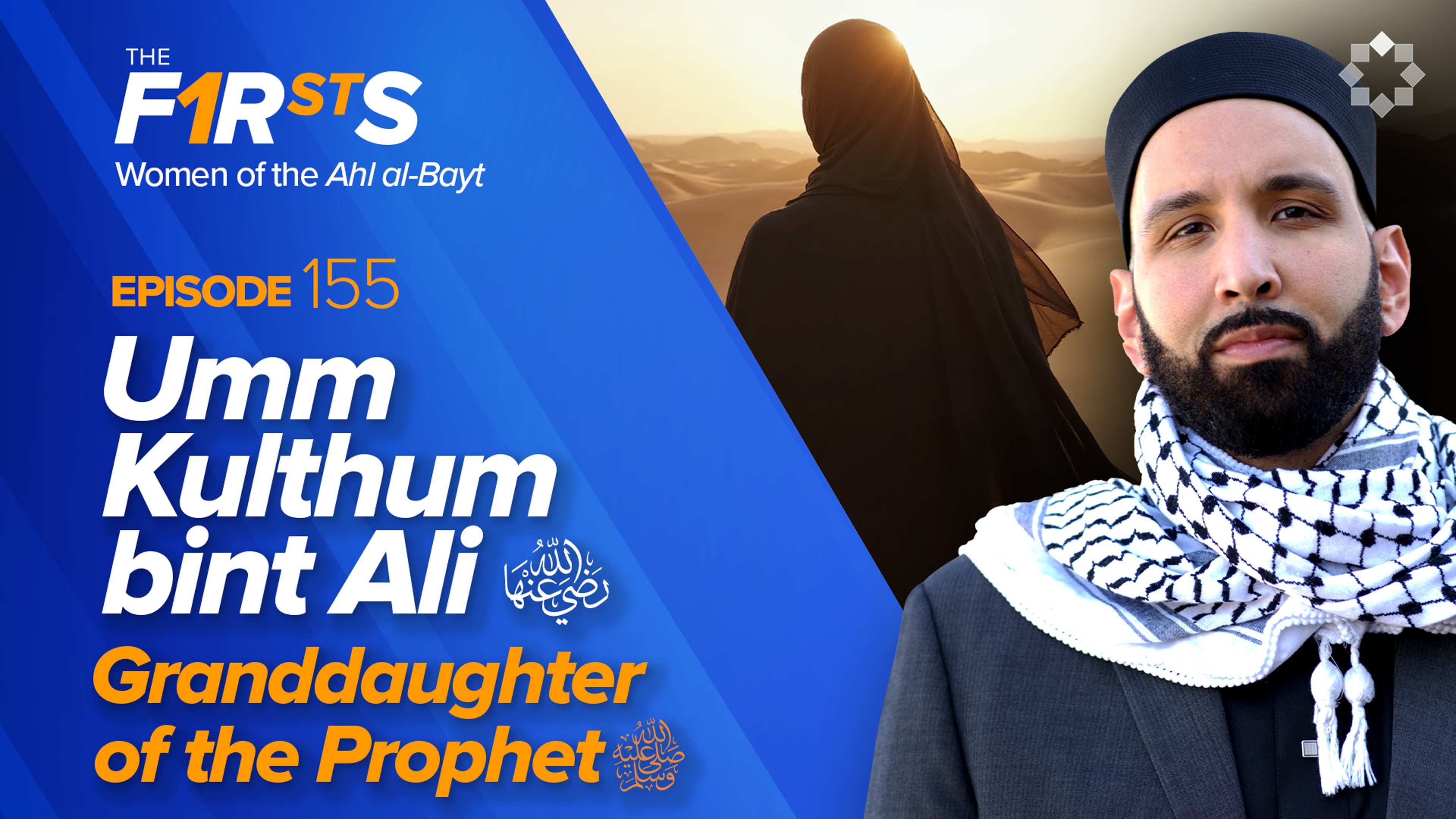
Umm Kulthum bint Ali (ra): Daughter of Nobility and Tragedy | The Firsts

“O daughter of the noble ones!” This was the way to address the younger granddaughter of the Prophet ﷺ, Umm Kulthum bint Ali (ra).
She was a woman of piety, like her mother Fatima (ra). In the glimpses we have into her life, we see her marrying Umar (ra) and then the sons of Ja’far (ra), stepping in to help a traveling woman give birth, patiently enduring the martyrdom of many loved ones, and dying alongside her son.
The Firsts is a weekly video series that chronicles the lives of the Sahaba (the companions of the Prophet ﷺ) during and after the time of the Prophet ﷺ.